

Screening tests for autism miss many children at risk

M-CHAT does not catch all children with autism in the neonatal high-risk group, shows a study from Karolinska Institutet published in JAMA Network Open. The researchers see a need to supplement the test with other assessment methods.
Children born very prematurely or with complications are screened at the age of two for early signs of autism using the M-CHAT questionnaire. In a new national study, researchers at Karolinska Institutet have investigated how well the test works in this high-risk group. The study includes 2,178 children born in Sweden between 2013 and 2019 and compares M-CHAT results with later clinical diagnoses of autism.
The researchers found that the test was highly accurate in ruling out autism, but that many children with autism were still missed. The so-called sensitivity was 62 percent, while the specificity – the ability to identify children without autism – was 91 percent. In total, 12 percent of the children received a positive M-CHAT result and 6 percent were later diagnosed with autism.
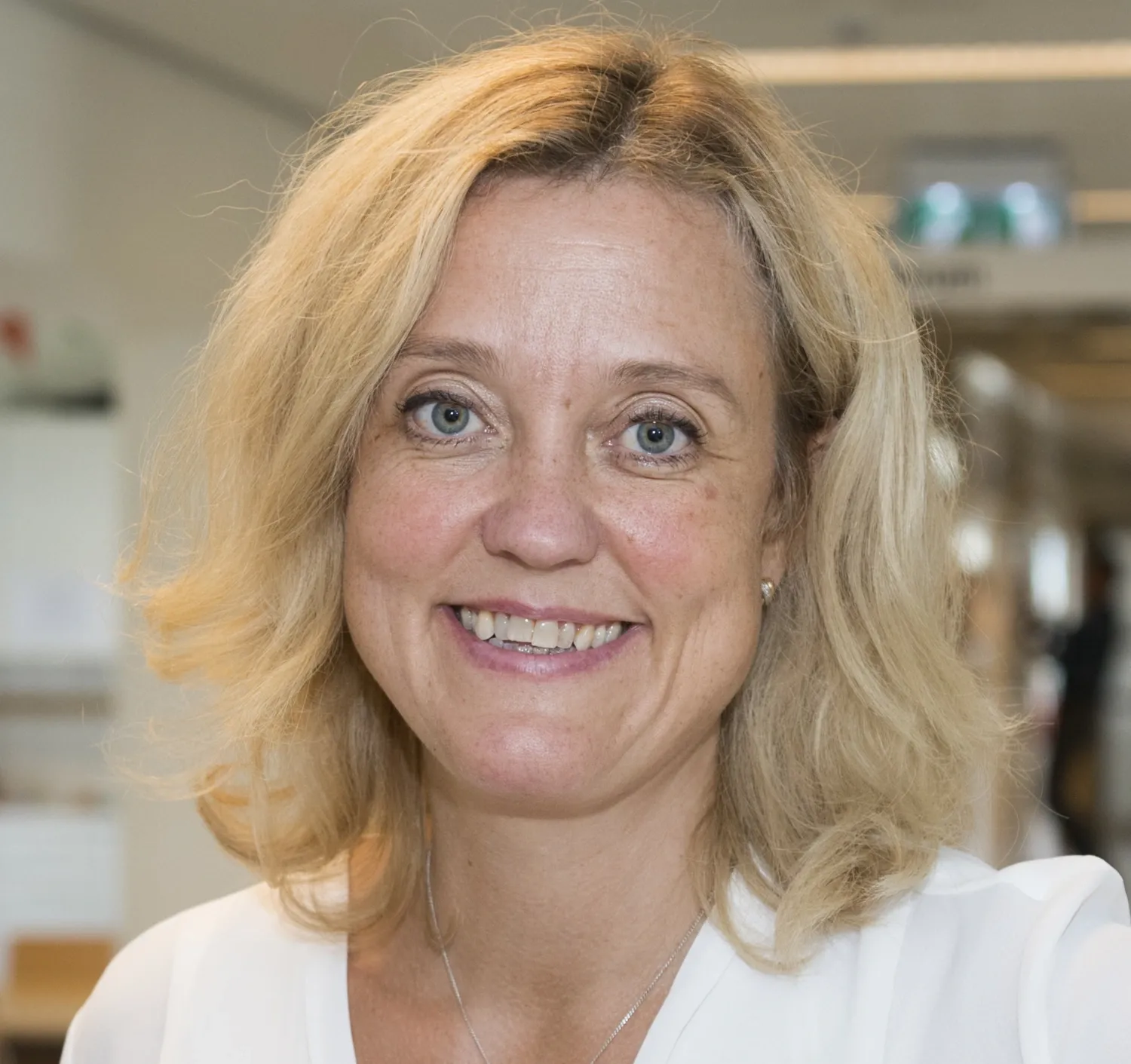
"The results show that M-CHAT works relatively well to rule out autism, but that it does not catch all children who later receive a diagnosis. In this high-risk group, more tools are therefore needed to detect children who need further investigation early," says Ulrika Ådén, professor at the Department of Women's and Children's Health.
Children born extremely prematurely had both the highest proportion of positive test results and the most autism diagnoses. The researchers also saw that girls had fewer positive test results than boys, and that linguistic factors could affect the outcome – the test had higher specificity in families that spoke a Scandinavian language.
"Overall, the study shows that other developmental difficulties, such as motor or sensory problems, can affect how M-CHAT is interpreted. This needs to be taken into account when healthcare works with early screening," says Ulrika Ådén.
See the study for more information on funding and any reported conflicts of interest.
Publication
"Modified Checklist for Autism in Toddlers in a Neonatal High-Risk Population", Benjamin Lassebro, Matilda Morin, Weiyao Yin, Sven Sandin, Ulrika Ådén. Jama Network Open, online 27 March 2026, doi:10.1001/jamanetworkopen.2026.3672.