

Doctoral thesis highlights functioning in autism and ADHD

Autism and ADHD are defined based on diagnostic criteria that focus on difficulties. In a new doctoral thesis at Karolinska Institutet, psychologist Lovisa Alehagen shows how a focus on everyday functioning can provide a more comprehensive picture of the individual, using the WHO classification ICF and a digital platform for functional assessment.
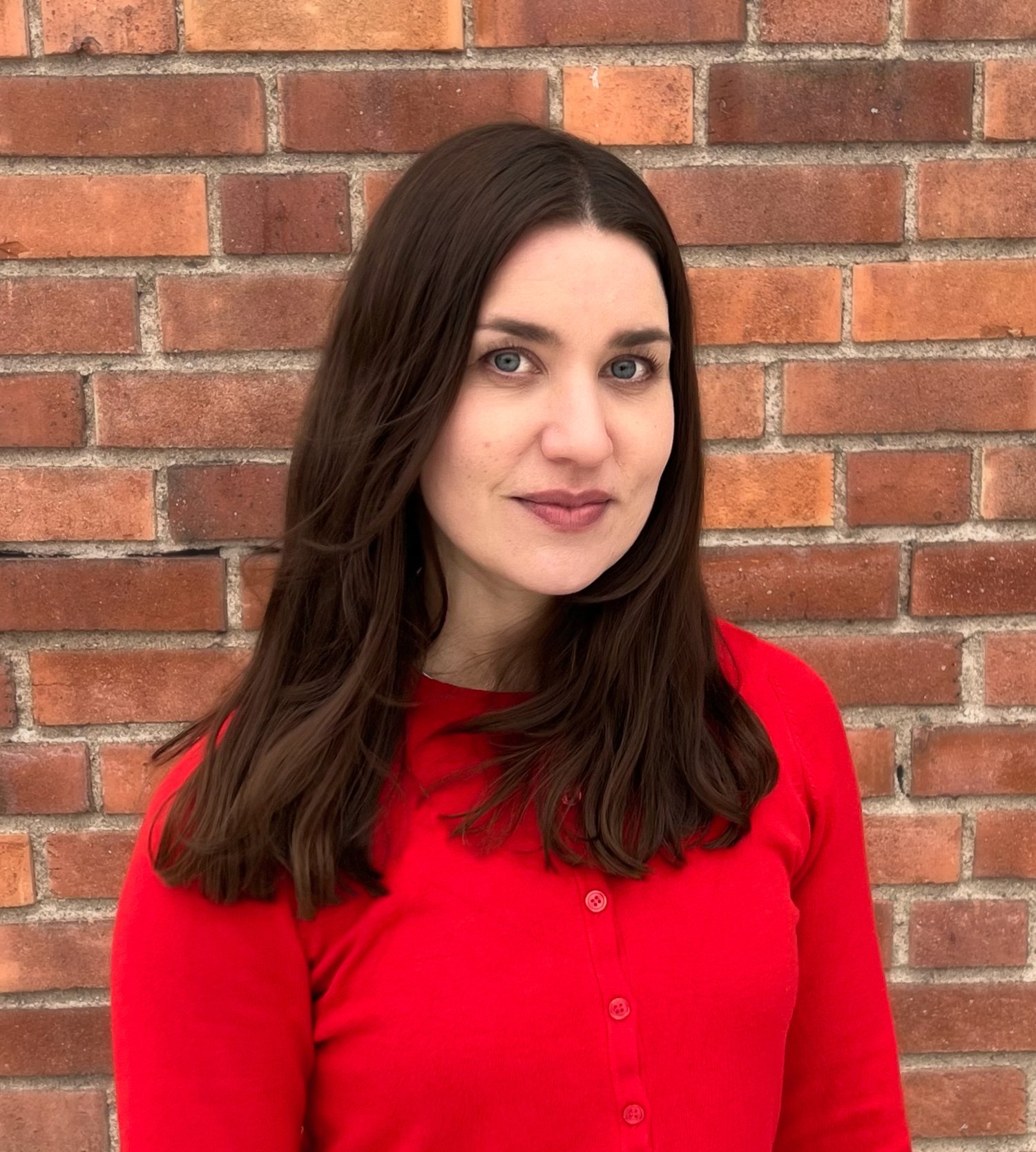
Diagnoses play an important role in healthcare and research, but they often say little about how a person functions in everyday life.
“People with lived experience of autism and ADHD, as well as clinicians and researchers, have pointed out that a one‑sided focus on diagnostic criteria risks overlooking strengths, participation, and how the environment affects everyday life,” says Lovisa Alehagen.
She is a psychologist and researcher at KIND (Center of Neurodevelopmental Disorders at Karolinska Institutet) and has recently defended her doctoral thesis, which examines how a focus on functioning can provide a more everyday‑relevant, holistic, and practically useful description of autism and ADHD.
Functioning as an interaction between the individual and the environment
The thesis is based on the ICF – the International Classification of Functioning, Disability and Health – developed by the World Health Organization (WHO). ICF is based on a biopsychosocial perspective, in which functioning is understood as the result of interactions between an individual’s characteristics and the environment in which they live. The classification includes body functions (including cognitive functions), activities, participation, and environmental factors.
“Diagnostic criteria are designed to identify shared difficulties at the group level and are not intended to capture how functioning varies between individuals with the same diagnosis. People may have very different personal and environmental resources and conditions that affect their functioning, which are not reflected in the diagnostic criteria. ICF can therefore serve as an important complement by providing a more individual‑centred picture of functioning and of how everyday life actually works,” says Lovisa Alehagen.
Because ICF is a comprehensive classification, it can be challenging to use in practice. To facilitate its application, so‑called ICF Core Sets have been developed. These are shorter versions that include the functional domains considered most relevant for a specific condition. The thesis addresses the ICF Core Sets for autism and ADHD, with particular emphasis on their practical application.
Three studies on use, revision and evaluation
The doctoral thesis consists of three sub‑studies. The first study examines how ICF and the ICF Core Sets have so far been used in research and practice related to autism and ADHD. The results show that the framework has been applied in many contexts, but most often with a focus on autism, children, and from a medical perspective. As a result, the biopsychosocial perspective on functioning has not been fully realised.
In the second study, the ICF Core Sets for autism and ADHD were updated to better reflect what is important for everyday functioning across the lifespan. The work was based on scientific studies, developmental work, and feedback from relatives as well as from people with autism and/or ADHD. Among other changes, sensory functions were given greater prominence, and the age‑specific versions of the Core Sets were revised.
In the third study, the ICF Core Sets were transformed into scorable items and implemented in a digital platform, the ICF CoreSets platform. The platform was tested by people with autism and/or ADHD, relatives, professionals, and individuals from the general population.
“Many participants felt that the questions helped them reflect on their everyday life and put words to aspects that are rarely captured in a diagnostic assessment,” says Lovisa Alehagen.
Overall, the thesis shows that the ICF Core Sets can be used in digital form to describe functioning in a structured and meaningful way.
“The hope is that functional assessments can complement diagnoses and contribute to more individual‑adapted support. They can be used both before and after a diagnosis is established, as well as for people who have traits of autism or ADHD without meeting all diagnostic criteria, and provide a basis that reflects how everyday life actually looks for the individual,” says Lovisa Alehagen.
The thesis: Shifting focus from diagnosis to functioning: validation and implementation of the WHO ICF Core Sets for autism and ADHD
Principal Supervisor: Sven Bölte