

Shortcomings in school support for students with autism and ADHD highlighted in the Swedish Parliament
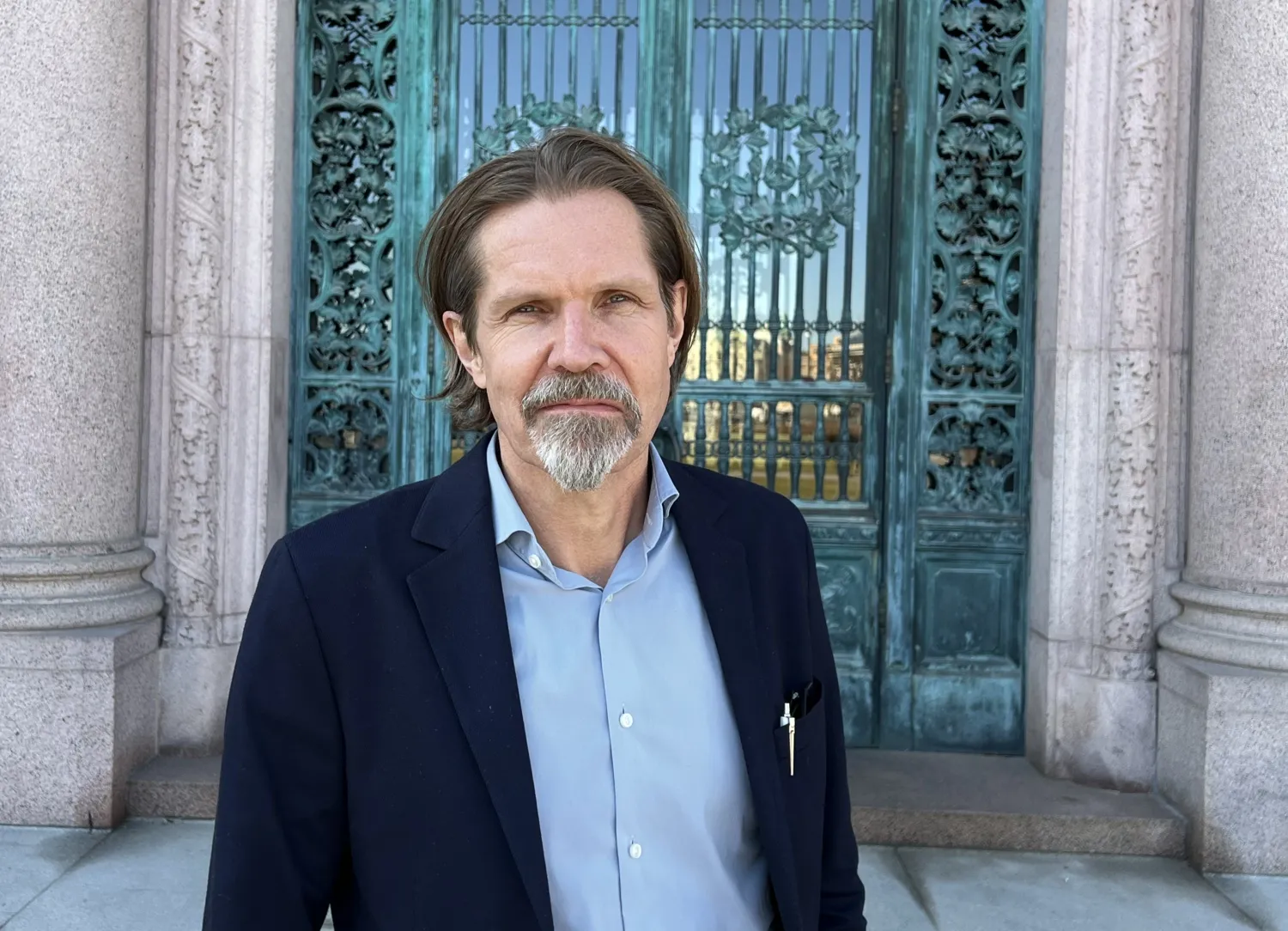
The Swedish Parliament’s Committee on Education presented its new report on schooling and academic outcomes for students with ADHD and autism during an open session on 31 March. Sven Bölte, professor of child and adolescent psychiatric science at Karolinska Institutet, was invited to comment on the findings.
According to the report, students with ADHD and/or autism make up 13.5 percent of the overall student population, and they achieve both lower grades and lower eligibility for upper‑secondary education compared to other students. At the same time, the report shows that these students have strong potential to succeed when the right support is provided. This is an issue that has been recognised for a long time, notes Sven Bölte, professor at the Department of Women's and Children's Health, KI, who also heads KIND (Center of Neurodevelopmental Disorders at Karolinska Institutet).
“Despite having been aware of and discussing these problems for many years, many schools still do not offer sufficiently inclusive education,” he says.
Bölte believes that both policymakers and schools want to improve the situation, but several obstacles continue to hinder progress.
“Recommendations and guidelines often point to interventions that few schools can realistically access. Schools are expected to work inclusively without the proper conditions. My hope is that the knowledge from reports, guidelines and inquiries becomes coordinated so we can move on to implementation and follow‑up,” he adds.
During the session, he also emphasised the need for regular monitoring of schools’ levels of inclusion, continuous professional development for staff, and the use of evidence‑based programmes. He argued that principles for supportive interaction should be part of teacher training, and that support should be provided based on students’ needs rather than their diagnoses.
Call for a national strategy
In his address, Professor Bölte reiterated the need for recurring, publicly available evaluations of inclusion in schools, ongoing training for school personnel, and the adoption of evidence‑based practices. He also raised the idea of a national strategy as a tool to advance the work.
“I believe that some form of national strategy or plan is necessary to ensure equity and guarantee that both schools and students have access to the methods and expertise required. Such a strategy must not become yet another paper product; it should include clear goals, funding, requirements for implementation and systematic follow‑up at a high political level — for example, through annual reporting to Parliament.”
Research highlights effective methods
The Committee’s report presents three example schools that have achieved relatively strong outcomes for students with ADHD and autism by using different working methods. Research has also identified several approaches that improve conditions for school success among students with neurodevelopmental conditions.
“Studies show that interventions such as peer‑mentor programmes—where students support others with similar experiences — collaboration between parents, students and school, adapted pedagogical principles, and skills training using evidence‑based programmes make a substantial difference for both students and the school climate,” Bölte explains.
At KIND, several methods and tools have been developed. The programme SKOLKONTAKT has been shown to strengthen students’ social social skills, reduce school absenteeism and contribute to a more positive atmosphere in schools.
Another example is APERS, a tool for systematically evaluating and developing learning environments for children and pupils with autism in pre-school and primary school.
The INCLUSIO tool has also been developed to enable school staff to systematically map their work on inclusion for pupils with neurodevelopmental disabilities such as autism and ADHD.
“The knowledge and methods exist - those developed by us as well as many produced elsewhere. Now we need to build structures that ensure these tools truly reach the students,” says Sven Bölte.