
Progress in stem cell therapy for type 1 diabetes
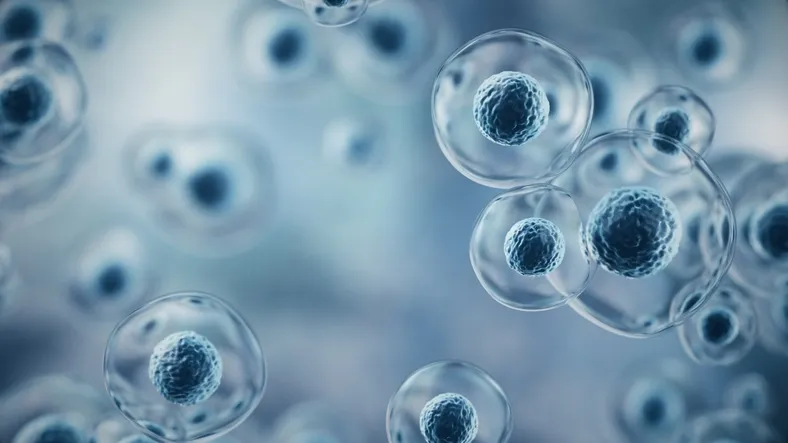
Researchers at Karolinska Institutet and KTH Royal Institute of Technology have developed an improved method for creating insulin-producing cells from human stem cells. The results, published in Stem Cell Reports, demonstrate that these cells effectively regulate blood sugar levels in laboratory tests and can reverse diabetes in mice.
Type 1 diabetes occurs when the immune system destroys insulin-producing cells in the pancreas, meaning the body can no longer absorb glucose from the blood and regulate blood sugar levels. One possible treatment is to replace these cells with new ones. However, previous methods of producing such cells from stem cells have often yielded mixed results.
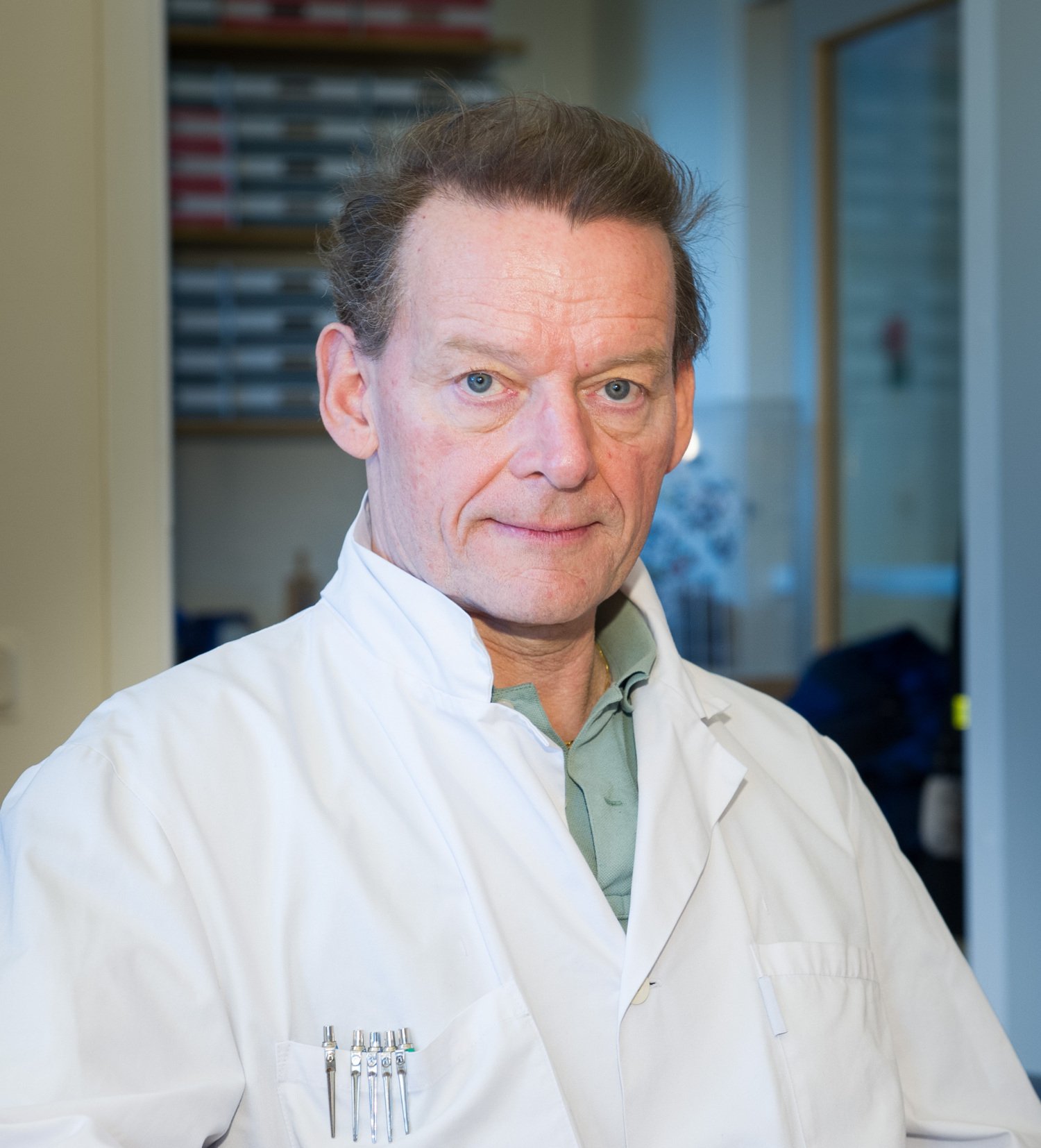
“We have developed a method that reliably produces high-quality insulin-producing cells from multiple human stem cell lines. This opens up opportunities for future patient-specific cell therapies, which could reduce immune rejection,” says Per-Olof Berggren, professor at the Department of Molecular Medicine and Surgery, Karolinska Institutet, and corresponding author alongside Siqin Wu, researcher at Spiber Technologies AB (formerly at Karolinska Institutet).
Optimised cell production
The optimised production process yields more mature and purer insulin-producing cells than previous methods. In a laboratory setting, the cells were able to secrete insulin and responded strongly to glucose. When the researchers transplanted these cells into diabetic mice, the animals gradually regained the ability to regulate their blood sugar. The transplantation was performed in the anterior chamber of the eye.
“This is a technique we use to monitor the development and function of the cells over time in a minimally invasive way,” explains Per-Olof Berggren. “We observed that the cells gradually matured after transplantation, retaining their ability to regulate blood sugar for several months, which demonstrates their potential for future treatments.”
Stem cell therapy for type 1 diabetes is already being tested in several clinical trials. However, a challenge with previous methods is that the stem cells often develop into a combination of the desired and undesired cell types, increasing the risk of complications. Another challenge is that the insulin-producing cells created are often not mature enough to respond well to glucose.
Solving previous problems
By adjusting the culture steps and allowing the cells to form three-dimensional clusters themselves, many unwanted cell types are eliminated and the cells gain a better ability to respond to glucose, according to the researchers.

“This could solve several of the problems that have previously hindered the development of stem cell-based treatments for type 1 diabetes. Building on this, we will work towards clinical translation aiming at treating type 1 diabetes,” says Fredrik Lanner, professor at the Department of Clinical Science, Intervention and Technology, Karolinska Institutet, and last author of the paper.
The study was conducted in collaboration between researchers at Karolinska Institutet and KTH Royal Institute of Technology in Sweden. The work was funded by the Swedish Research Council, STINT, the Knut and Alice Wallenberg Foundation, the Novo Nordisk Foundation, the European Research Council's (ERC) Advanced Grant, the Erling-Persson Family Foundation, the Jonas & Christina af Jochnick Foundation, the Swedish Diabetes Association, Vinnova and Karolinska Institutet’s Strategic Research Program in Diabetes. Some of the researchers report links to companies, including patent applications and employment at Spiber Technologies AB and Biocrine AB (see publication for full details).
Publication
“An optimized protocol for efficient derivation of pancreatic islets from multiple human pluripotent stem cell lines”, Siqin Wu, Shivam Chandel, Galyna Bryzgalova, Paschalis Efstathopoulos, Kelly Blust, Cheng Zhao, Eda Erbil, Anna Falk, My Hedhammar, Per-Olof Berggren, Fredrik Lanner, Stem Cell Reports, online 16 April 2026, doi: 10.1016/j.stemcr.2026.102892.