

Rapid sequencing method offers same day detection of antibiotic resistance

Researchers at Karolinska Institutet have developed a rapid and cost efficient sequencing method that can identify antibiotic resistance within the same working day. The technique, called s5PSeq, measures how bacterial ribosomes respond within minutes after exposure to an antibiotic, offering a molecular readout of growth instead of waiting for traditional cultures.
In the new study, published in Cell Reports Methods, the researchers from the Department of Microbiology, Tumor and Cell Biology shows that s5PSeq can distinguish between erythromycin‑resistant and sensitive Clostridioides difficile strains after only ten minutes of treatment.
By detecting characteristic “stalling” patterns in bacterial RNA, the method can reveal susceptibility long before any visible growth differences appear.
Address antibiotic resistance
A key advantage of the method is its compatibility with portable Nanopore sequencing devices, which are already common in many diagnostic and research laboratories. This opens the possibility of integrating rapid molecular testing into routine clinical workflows.
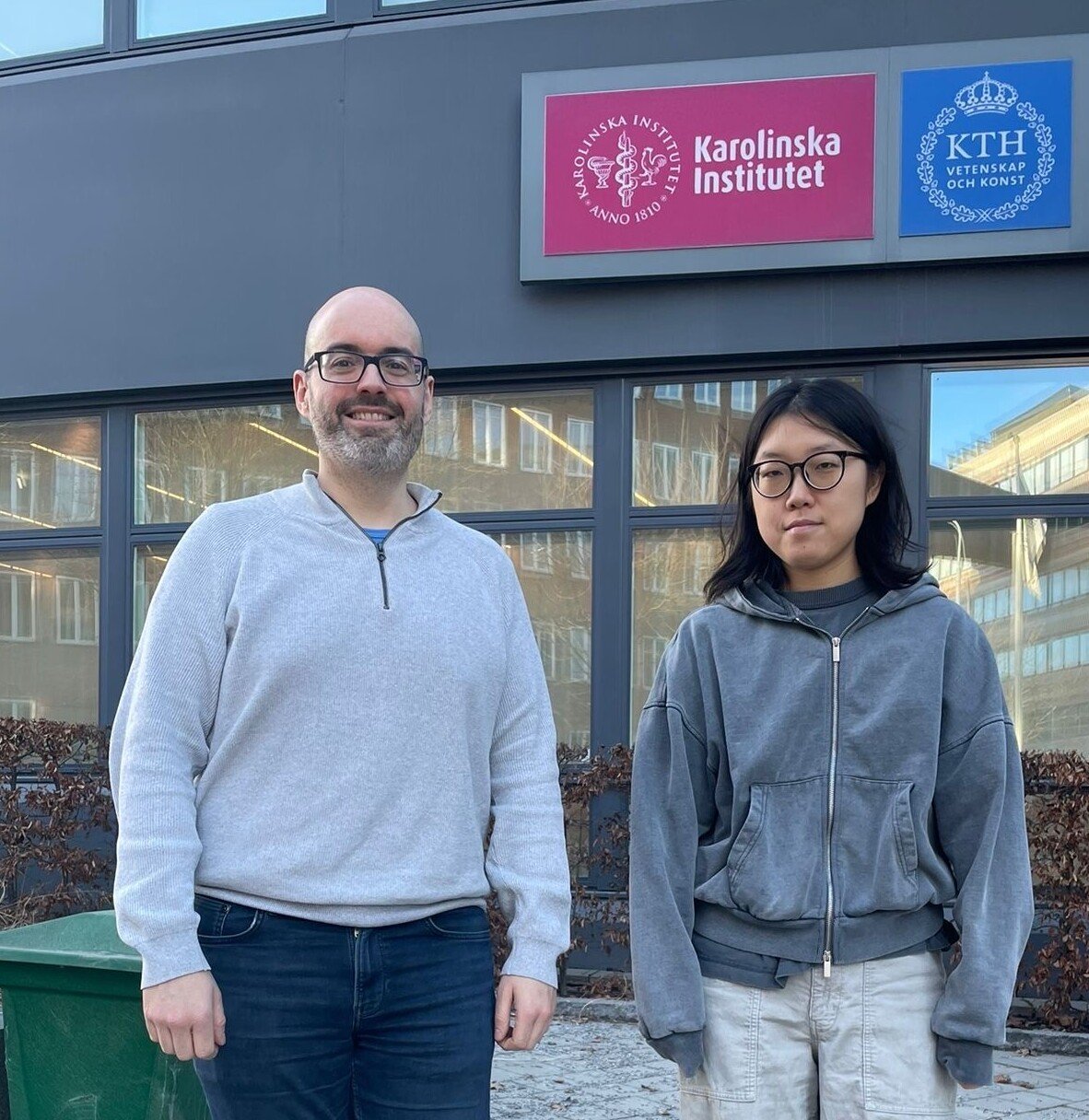
“Faster, phenotypic diagnostics are essential if we are to address antibiotic resistance effectively. Our method shows that reliable molecular readouts can be obtained in hours rather than days”, says Vicent Pelechano, senior researcher at the Department of Microbiology, Tumor and Cell Biology, KI, and SciLifeLab, and senior author of the study.
The researchers are now working to adapt s5PSeq for direct testing of complex patient samples without prior culturing. In collaboration with Karolinska University Hospital, they are also expanding the method to additional pathogens and antibiotics to evaluate its potential in real‑world clinical settings.
“Our next step is to understand how well the method performs outside controlled laboratory conditions. These ongoing studies will help determine how s5PSeq can support faster and more informed treatment decisions,” says Honglian Liu, Phd student at the same department and first author of the study.
Publication
"A streamlined, nanopore-compatible 5PSeq protocol for rapid phenotypic antimicrobial sensitivity testing", Liu H, Huch S, Hull R, Garcia FR, Nersisyan L, Yin X, Chen WH, Du J, Pelechano V. Cell Reports Methods, online 12 March 2026, doi: 10.1016/j.crmeth.2026.101327.