

Alumna Sahar combines operational and academic skills in her work to improve nutrition in crises and disasters
She had practical experience of working in disasters but wanted to gain an academic understanding that could be a bedrock for her future career. The Master programme Public Health in Disasters provided just that and when Sahar Al-Hakimi thinks back to her time at KI, she values both the knowledge she gained and the friends she made.
Name: Sahar al-Hakimi
Programme: Erasmus Mundus Master programme Public Health in Disasters
Graduation year: 2024
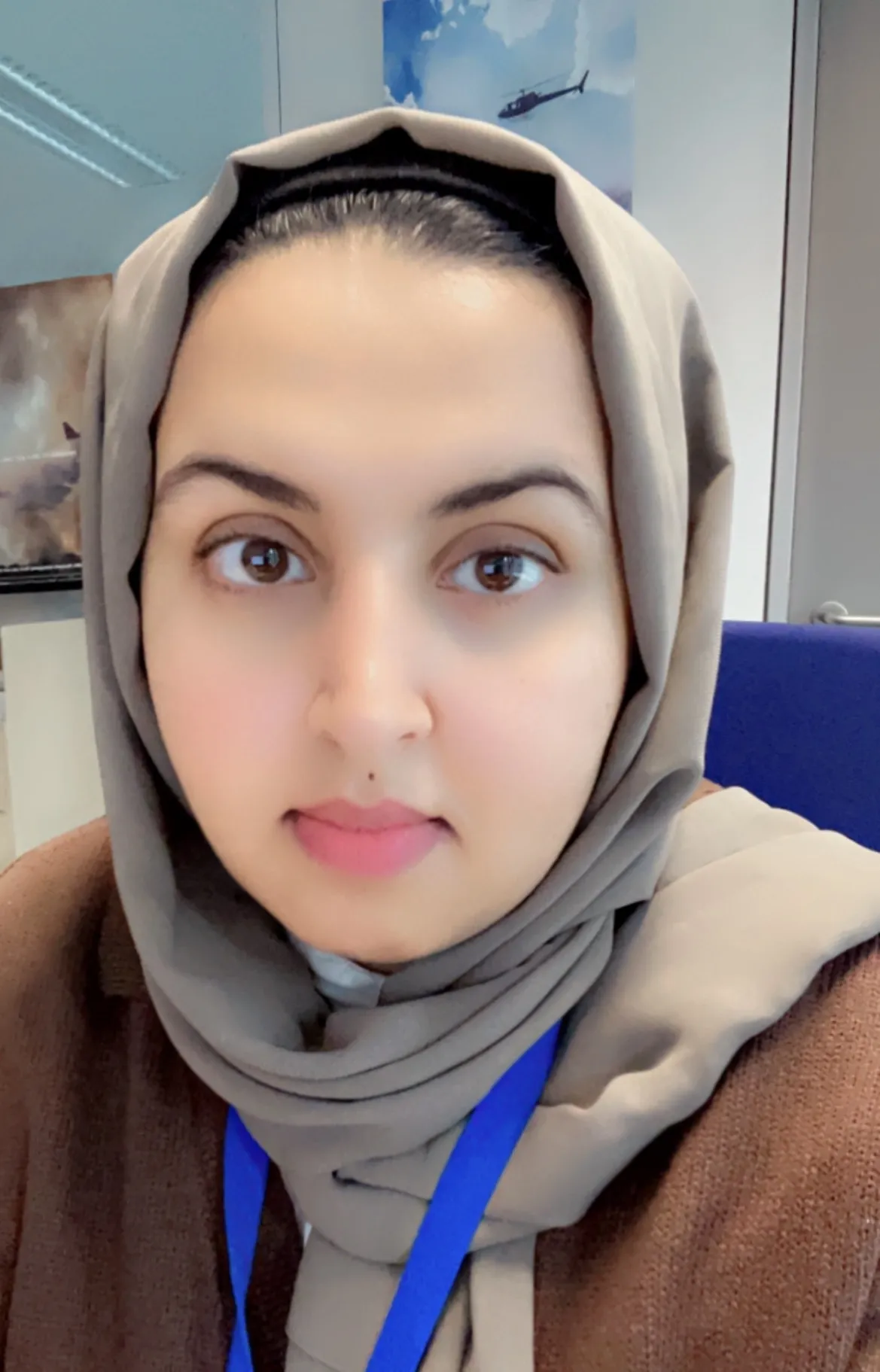
Sahar Al-Hakimi knew firsthand what disasters were like, even before she started studying the Public Health in Disasters master programme. She is from Yemen, a country that has faced, and continues to face, a protracted humanitarian and health crisis. Moreover, before she began her Master’s she was working at the UN World Food Programme in Yemen, managing nutritional programmes across the country.
Nonetheless, Sahar wanted to deepen her knowledge on the topic and gain an academic understanding of public health issues in disasters, whilst at the same time widening her horizons to global perspectives on health, disasters and crises. That is what made her apply to the programme, which is KI’s only Erasmus Mundus Master programme. Being part of Erasmus Mundus means that the programmes are taught across several universities in Europe (in the case of the Public Health in Disasters programme, three universities), and that there are dedicated scholarships that students can apply for.
A diverse group of students and teachers willing to share their knowledge and experience
Studying in Europe had always been a dream of Sahar’s and when she came to Karolinska Institutet she was not disappointed:
“We were such a diverse group of students. People came from all over the world and were so willing to share what their backgrounds and previous experiences had taught them. I learnt a lot from my peers. And of course, I learnt so much from our teachers, who, along with their academic careers, had also worked in disaster relief operations worldwide”.
In addition to interesting project and group work and many engaging classroom discussions, Sahar also value her memories from outside the lecture halls and seminar rooms:
“During my Masters I explored Sweden and other European countries. I got to know lots of people and made life-long friends. I remember all the great times we had at KI events and social gatherings, in the university housing complex where most of us lived and how we would go to the KI gym to work out together”.
The programme improved career opportunities
After Sahar graduated, she returned to her home country and her work at the UN. She felt that the programme had improved her analytical skills and ability to combine operational and academic perspectives in her work, which in turn made her a more competitive candidate for more senior roles and expanded her career options.
Finally, when asked what she would say to anyone reading this who might be thinking about applying for the Public Health in Disasters Master programme, her answer is quick and supportive:
“Go for it! It was one of the best things I ever did, and I would be happy for anyone who might get the same opportunity I did. In my experience, it can be challenging at times, but the combination of the academic skills you will gain and the social experience you will have will open doors for your future career and support your personal growth”.