

Alumna Prinka looks at health crises in a more interconnected and systems-based way now
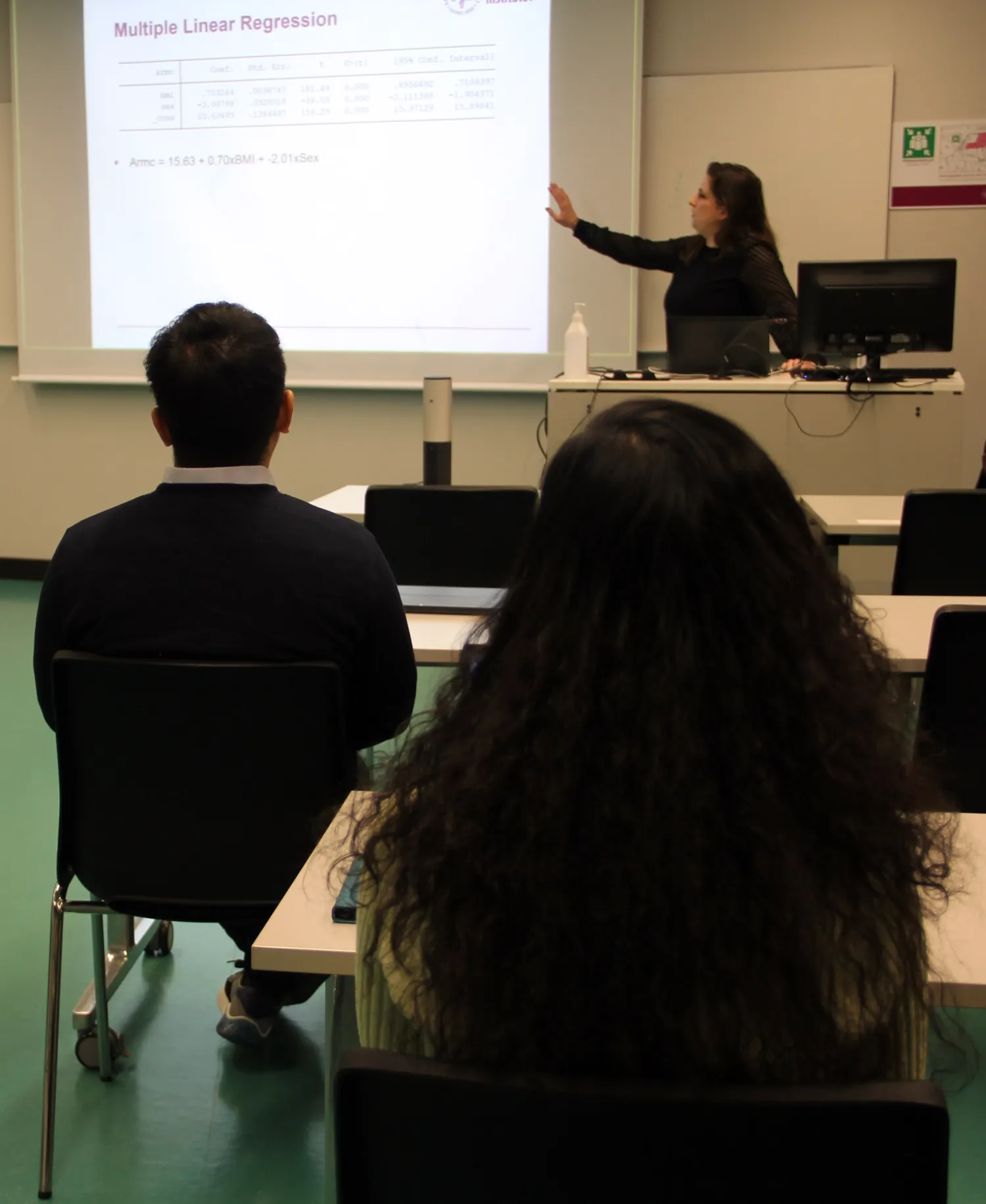
Prinka Singh says she would encourage anyone who is interested in public health, disaster management, or humanitarian work to apply to the Public Health in Disasters master programme – KI’s only Erasmus Mundus Master programme:
“The programme offers a strong academic foundation combined with real-world relevance, particularly in today’s context of increasing global health emergencies. What makes it especially valuable is the combination of high-quality teaching and the opportunity to learn within an international and diverse environment. For me, it was a very meaningful experience that shaped both my career and my broader understanding of global health challenges”
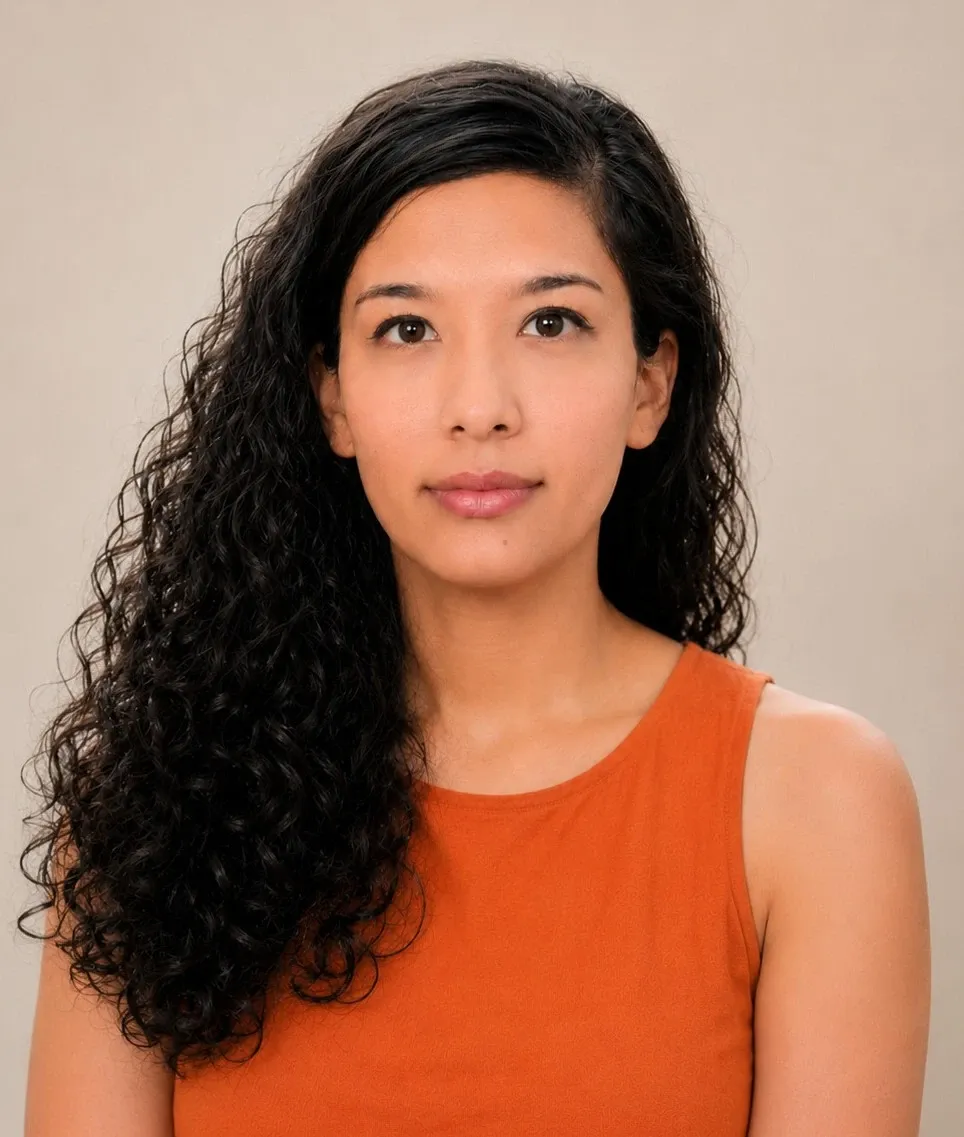
From the master’s programme to a PhD
After having graduated from the programme, which is taught jointly between KI, the University of Nicosia and the University of Oviedo, in 2022, Prinka has continued her professional journey in the field of public health in disasters. She is currently pursuing a PhD at the Center for Research and Training in Disaster Medicine, Humanitarian Aid and Global Health (CRIMEDIM), at the University of Piemonte Orientale in Italy, where she researches hospital preparedness and health system resilience. Since graduating from the programme, she has also worked with health facility assessments, capacity-building activities, and supporting programs aimed at strengthening emergency preparedness, at organisations such as Fairmed Foundation Nepal and International Nepal Fellowship.
Prinka is originally from Nepal and before starting the Public Health in Disaster’s master’s, she had worked in her home country’s health and development sector, in roles related to public health and disaster preparedness. She was attracted to the programme precisely because it combines public health and disasters, including aspects such as humanitarian response and health system resilience.
Diverse academic environments and classmates from all over the world
The fact that the programme is taught across three academic institutions in three different European countries was also something Prinka liked the idea of and in hindsight she thinks that being exposed to different academic environments and ways of learning was a significant added value.
She arrived at KI in the winter of 2021, and she looks back on her time in Stockholm as enriching and memorable, both academically and socially:
– “What I remember most is how the programme pushed us to think critically and connect theory with real-world disaster and health system challenges. The learning was not just about knowledge, but about how to analyse complex situations and understand how different systems interact during crisis”, she says.
Moreover, she thinks the fact that her classmates came from all over the world, with different academic, cultural and social backgrounds, helped enrich not just the conversations in the classroom, but was also an added social factor that led to new cultural experiences that Prinka says has made her more independent and adaptable.
Programme brought new perspectives for her future career
Finally, Prinka thinks the programme taught her perspectives that have been useful in both her research and in her professional life in general. The programme played an important role in shaping how she works and thinks, strengthening her understanding of disaster management and health system resilience, along with improving her analytical and research skills.