
Swedish Research Council’s new call enables KI to build tomorrow’s research
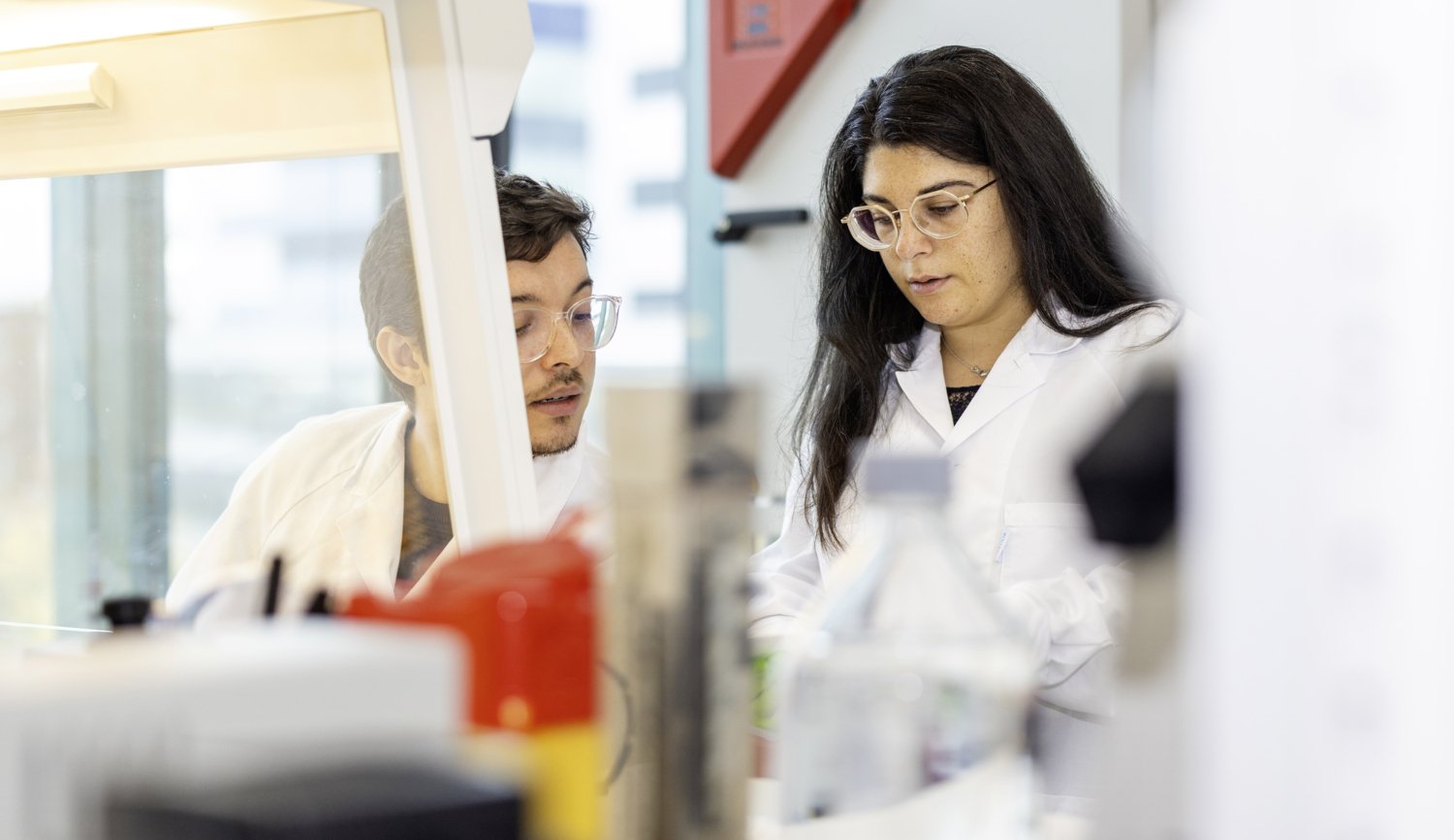
Using a combination of strategic recruitment and an internal nomination process, KI hopes to be able to nominate particularly promising young researchers for the Swedish Research Council’s new call. Jesper Lagergren, chairman of KI’s recruitment committee, considers the initiative both right and promising.
The Swedish Research Council (VR) has opened a targeted call for career support for assistant professors, for which every higher education institution may nominate a limited number of candidates. This gives Karolinska Institutet an opportunity to offer junior researchers stability and the chance to build sustained research environments at an early stage of their careers.

“I think this targeted call is pitched at the right level,” says Jesper Lagergren, professor of surgery and chair of KI’s recruitment committee. “Assistant professors not only have their careers ahead of them, but have also had the chance to show that their research has definite promise.”
Last year, KI carried out a general strategic recruitment of assistant professors based on the criteria to which VR is expected to give credit in its 2026–2027 calls, such as international experience. KI has also produced an internal nomination process for the first VR call for 2026.
According to Sten Linnarsson, dean of campus Solna and a driving force behind this major KI initiative, the strategic recruitment has attracted an unusually strong international pool of applicants. Among the selected candidates are young researchers from leading universities such as Harvard and Stanford with particularly strong credentials and innovative research projects.
Two separate processes
Professor Lagergren stresses that the strategic recruitment and nominations for the VR call are two separate processes. Nor is it only candidates from the general recruitment who can be nominated – current or pending assistant professors recruited through other processes can also be considered.
KI’s internal nomination process to the VR call involves candidates being first nominated by the departments and then assessed and ranked by a panel comprising the chairs of the recruitment committee and the Faculty Board’s three committees plus the board’s faculty representatives. The assessment is conducted in accordance with VR’s own instructions and assessment criteria.
“We’ve had a ceiling of ten nominations from KI, and have had absolutely no difficulty at all finding ten highly qualified candidates, and many more besides,” says Professor Lagergren.
The VR call places conditions regarding gender distribution and international representation. At least 40 per cent of the nominees are to be of the underrepresented gender and at least half from outside Sweden.
“I think it’s good for Swedish universities to get input from other countries as fresh ideas and skills enrich research,” says Professor Lagergren, adding that he is impressed by the credentials and skills of those who have applied to KI.
Upcoming nominations
The general KI recruitment of assistant professors is now in its final stages, but as not all departments have yet offered a position, some candidates may be considered in future nomination rounds instead.
Professor Lagergren hopes that the VR initiative will help to develop research at KI for the future, so that researchers will be able to continue making new advances and generating new medical knowledge.
“I hope we’ll be able to recruit talented young researchers who’ll grow the university not only scientifically but in many other respects, too. I hope that they’ll be an important part of KI’s future.”