
New ALF grant boosts cluster headache research
New funding from Region Stockholm in collaboration with Karolinska Institutet will support advanced research into cluster headache at the university. By combining genetic studies with sleep and circadian rhythm research, the project seeks to improve care for a patient group with a high disease burden and risk of misdiagnosis.
A research team at Karolinska Institutet along with colleagues at Karolinska University Hospital have been awarded an ALF project grant in medicine from Region Stockholm. The grant, awarded for the period 2026–2028, totals SEK 1.1 million and supports clinical research carried out in close collaboration between researchers and healthcare providers.
The funded project is titled “Mapping of cluster headache with a focus on heredity, sex, sleep and circadian rhythm for more effective diagnosis and treatment”. Cluster headache is a severe neurological condition that is often underdiagnosed or misdiagnosed and associated with a high disease burden and an increased risk of mental ill health.
The research team has already built what is described as the world’s largest biobank containing biological samples and clinical and demographic data from patients with cluster headache and from control participants. This biobank will be used to identify biomarkers linked to the disease, which could make diagnosis faster and help guide treatment choices.
What does this grant mean for your research?
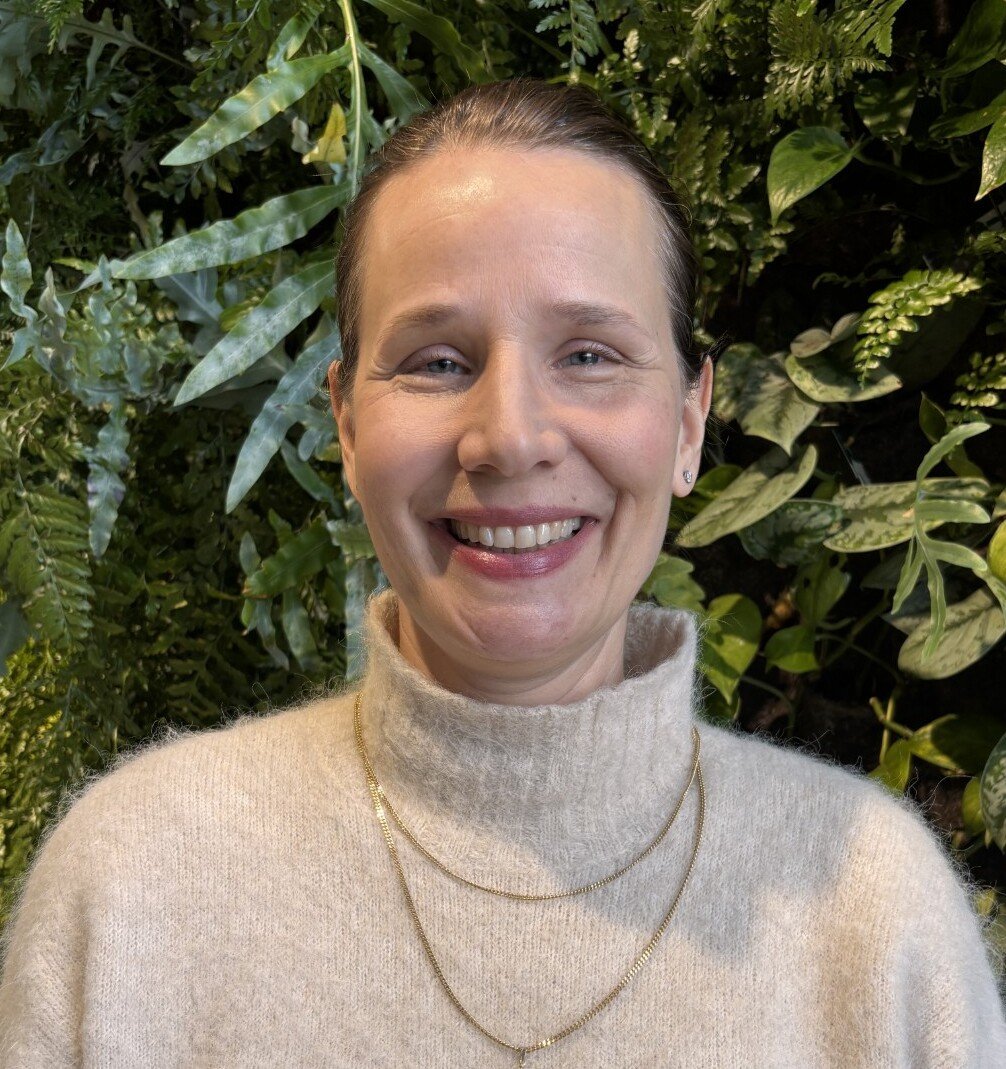
"Being awarded an ALF grant for three years is an important recognition of my team’s research and established collaboration with skilled clinicians. This grant will provide us opportunities to increase understanding of the mechanisms underlying the occurrence of cluster headache, giving us tools to improve diagnostics, optimise existing treatment, develop more effective drugs or, in the best case, a cure,” says Andrea Carmine Belin, principal researcher at the Department of Neuroscience, who is also leading the project.
In-depth analyses and functional studies
The funding also enables more detailed genetic analyses and functional studies of risk genes associated with cluster headache. In addition, the project includes systematic studies of patient characteristics, such as sex differences, hormonal factors, co‑existing conditions and mental health. Sleep will be studied using questionnaires, overnight sleep recordings, and measurements of daily activity and circadian rhythm.
Together, these efforts aim to strengthen the move towards precision medicine for cluster headache. This includes identifying biological markers that can help divide patients into subgroups and predict how well different treatments will work, as well as evaluating treatment strategies linked to sleep and biological rhythms.
Close collaboration
The close collaboration between the research group and neurology clinics is expected to speed up the introduction of new findings into routine healthcare. In the long term, the researchers hope their work will lead to practical improvements such as new diagnostic tests, better treatment choices and new strategies that take both sleep and mental health into account.
ALF funding
ALF funding is announced annually by Region Stockholm in cooperation with Karolinska Institutet to promote high‑quality clinical research, education and healthcare development. Around 400 applications are submitted each year, and just over 30 per cent receive funding. Most projects are funded for one year, but particularly strong projects can receive support for up to three years. At least half of the funding must be used for salaries within Region Stockholm or contracted healthcare units.