

KI researchers awarded the Göran Gustafsson Prize

Emma R Andersson, senior researcher and associate professor at the Department of Cell and Molecular Biology, and Joanna Rorbach, senior researcher at the Department of Medical Biochemistry and Biophysics, have been awarded the Göran Gustafsson Prize by the Royal Swedish Academy of Sciences.
This year’s five Göran Gustafsson laureates each receive SEK 8.1 million – SEK 300,000 as a personal award and SEK 7.8 million in research funding over a three-year period. The increased funding aims to support research in Sweden across five disciplines: medicine, molecular biology, chemistry, physics, and mathematics.
Emma R Andersson, senior researcher and associate professor at the Department of Cell and Molecular Biology, KI, seeks to understand the rules by which cells build a body. Her research group studies early embryonic development, when cellular specialization begins.

“We are very interested in why cells decide to become, for example, heart or brain. One of our major goals is to map out the decision paths that cells take to form the entire body. A similar map has already been created for the roughly 1,000 cells of a small worm, but we aim to do it for mice – which involves billions of cells,” says Emma R Andersson in a press release from the Royal Swedish Academy of Sciences.
For a long time, Joanna Rorbach, senior researcher at the Department of Medical Biochemistry and Biophysics, KI, believed that her basic research on mitochondria and their function was far removed from medical applications. But recently her view has changed. As the cell’s own power plant, where nutrients and oxygen are converted into energy, mitochondria are of crucial importance for human health.
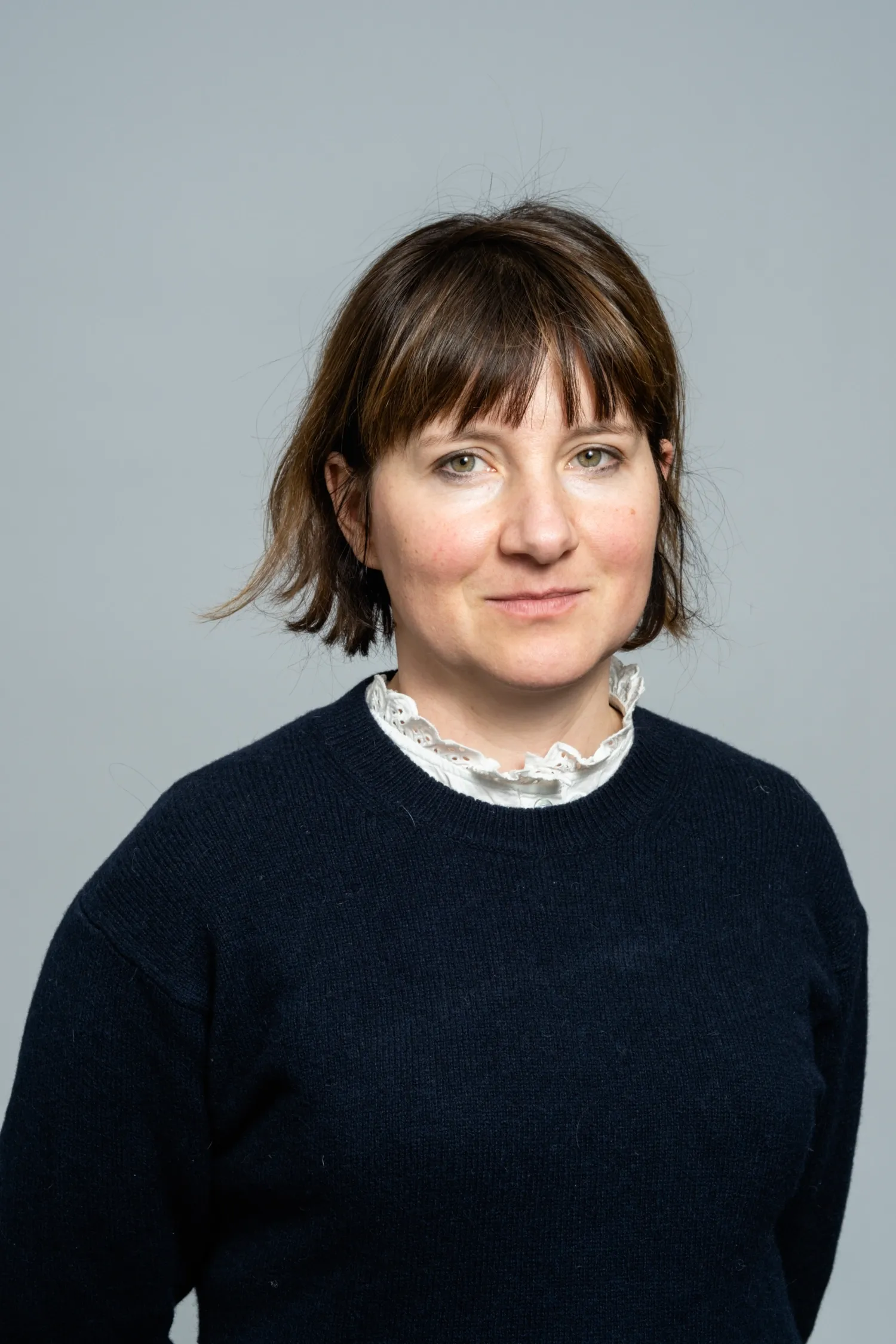
“My research group has made several discoveries about their function that we believe have medical potential. This has given us a more detailed understanding of mutations that affect components underlying mitochondrial diseases. It is also becoming increasingly clear that mitochondria play an important role in more common diseases, including cancer, Parkinson’s, Alzheimer’s, and diabetes,” she says.
Swedish universities and higher education institutions nominate candidates for the Göran Gustafsson Prizes. The Royal Swedish Academy of Sciences reviews the nominations, and the laureates are then selected by the Göran Gustafsson Foundation for Research in Natural Sciences and Medicine.
The Göran Gustafsson Prizes have existed since 1991. The foundation was established in 1989 following a donation from entrepreneur and businessman Göran Gustafsson (1919–2003). The laureates must be no older than 45 and intend to conduct the majority of their research in Sweden.