
KI and University of Toronto announce two Mats Sundin Fellowships 2026
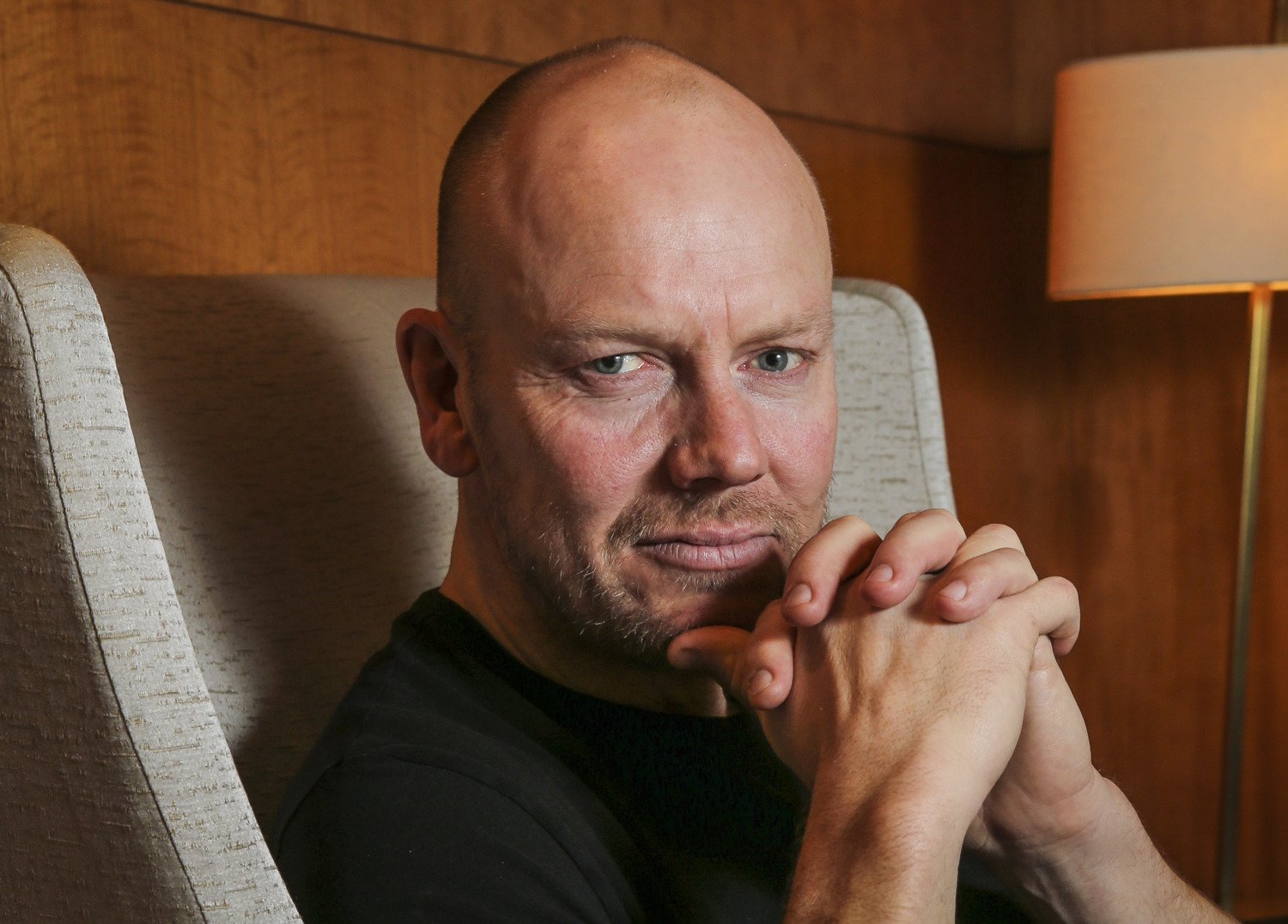
Karolinska Institutet (KI) and the University of Toronto (U of T) have announced the second cohort of Mats Sundin Fellows in Human Developmental Health for postdoctoral researchers. The two-year exchange programme offers promising young researchers the opportunity to grow and test their wings in other research environments. Behind the initiative is ice hockey legend Mats Sundin, whose engagement lays the groundwork for the next generation of leading researchers.
Mats Sundin Fellowship in Human Developmental Health is a two-year research exchange initiative for promising young researchers from KI and University of Toronto, U of T. This year marks the second such exchange.
The Mats Sundin Fellowships are made possible largely thanks to the philanthropic support of former ice hockey star Mats Sundin, who captained the NHL team Toronto Maple Leafs and Sweden’s national team. He describes Stockholm and Toronto as his ”two hometowns”.
“In hockey, teamwork is everything — and science is no different,” Sundin says. “As an athlete, I know how much stronger you become when you are surrounded by great teammates. Both KI and U of T are world-renowned for their leadership in human development research, and bringing young scientists into these new environments exposes them to the very best thinking in the field. My family and I are very proud to be supporting these experiences.”
This year’s two Mats Sundin Fellows are Roberto Ballarino from KI and Delphine Ji from U of T. Their research focuses on how the first 2,000 days after conception shape health across the lifespan and supervising their work for their two-year exchange will be a research group leader from the host universities.
Different perspectives on early brain development
The Mats Sundin Fellowship in Human Developmental Health is funding two projects, and at KI, Per Uhlén, professor at the Department of Medical Biochemistry and Biophysics, has been awarded funding and will host Delphine Ji, a postdoctoral fellow from the University of Toronto.
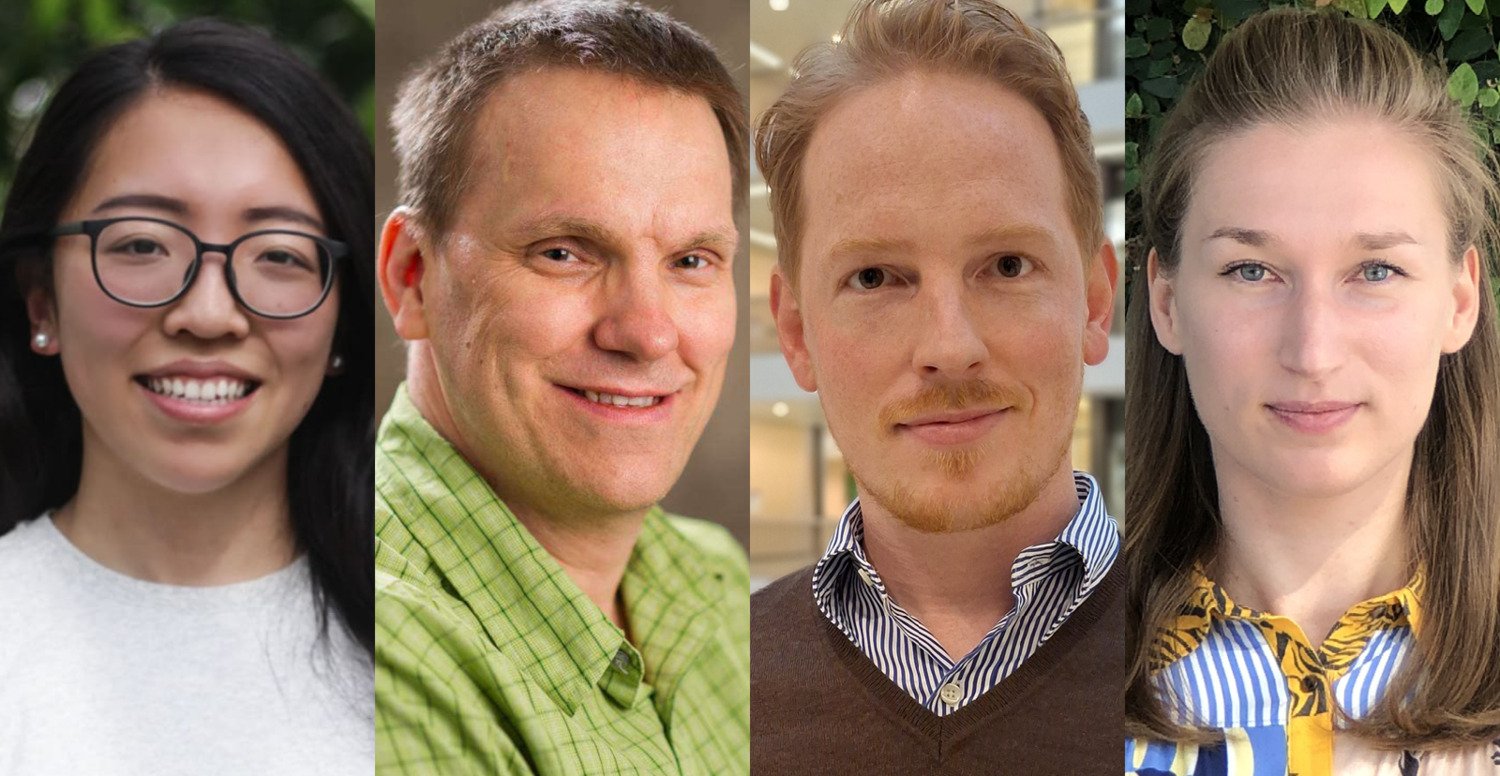
Delphine Ji’s research at KI will focus on how differences in early brain development contribute to autism spectrum disorder and related neurodevelopmental conditions.
In Toronto, Roberto Ballarino, postdoc at KI’s Department of Cell and Molecular Biology, will be mentored by Aleksandrina Goeva, assistant professor of computational biology at the Donnelly Centre for Cellular and Biomolecular Research.
During his time at U of T, Ballarino and Dr Goeva will be applying machine learning approaches to identify early biological signals that mark critical turning points in brain development and that thus uncover windows of opportunity for intervention.
From new environments to long-term impact
The Mats Sundin Fellowship are based on the idea that meaningful exposure to different research cultures and ways of thinking leads to stronger science.
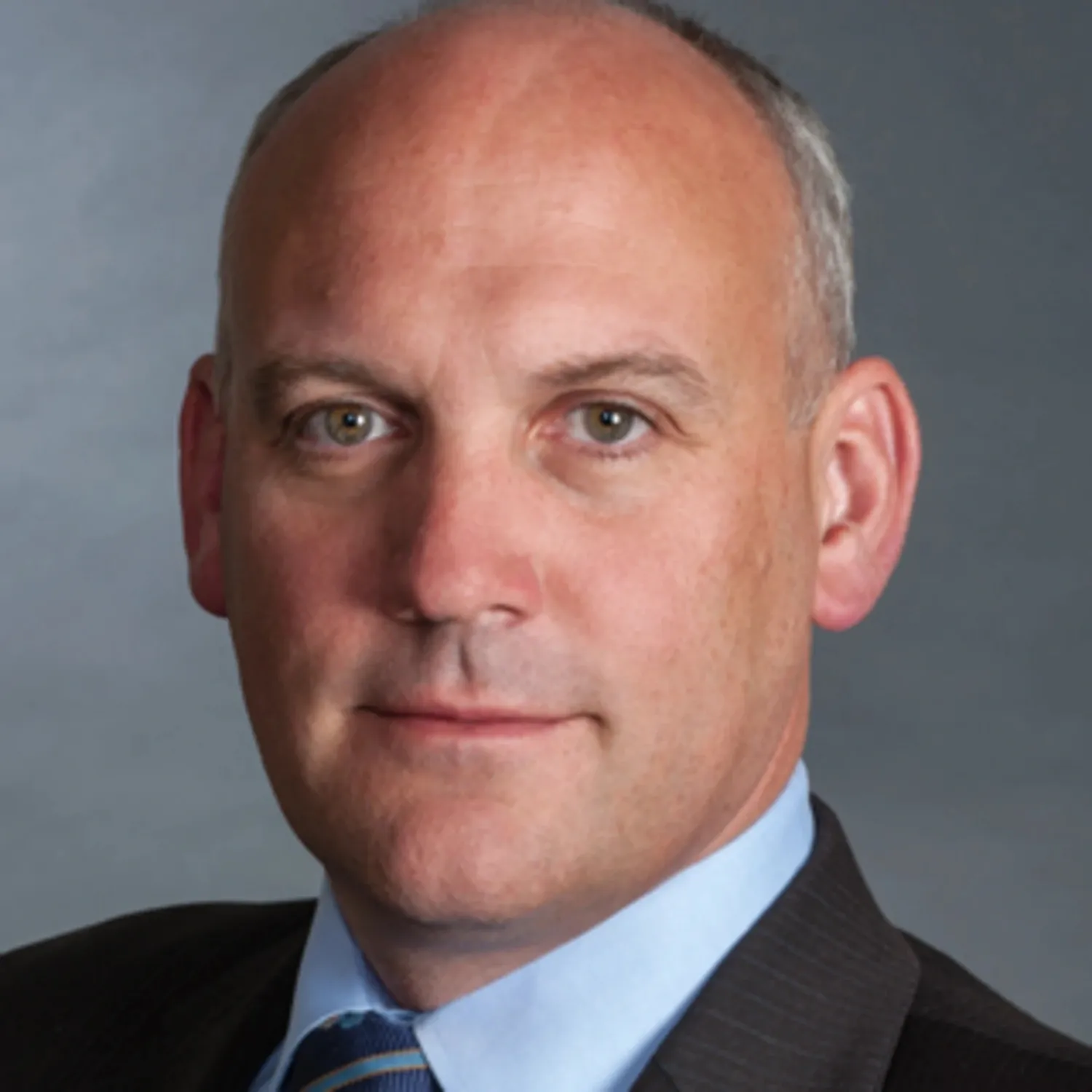
“Leaps in understanding often come from stepping into a new environment and learning from different mentors,” says Stephen Matthews, professor of physiology, obstetrics and gynaecology and medicine at U of T, who co-leads the programme. “The Sundin Fellowships give early-career researchers the time, resources and support to fully immerse themselves in another world-leading lab and scientific culture.”
Kristiina Tammimies, senior lecturer and director of doctoral education at KI’s Department of Women’s and Children’s Health, adds that fully financed, multi-year international exchanges like the Mats Sundin Fellowships are increasingly rare, yet extremely formative.
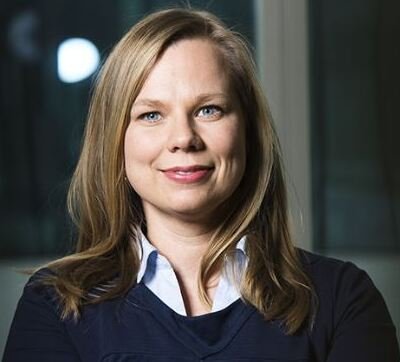
“These experiences will shape how Sundin Fellows think, how they collaborate and how they build their careers,” she says. “Their influence extends well beyond their immediate research project to the investigations Sundin Fellows will lead for decades to come.”
For Dr Tammimies, this year’s cohort of Sundin Fellows also carries special meaning, coming just three months following the loss of Ola Hermanson, professor of neuroscience at KI, and one of the programme’s initiative-takers.
“The Sundin Fellowships meant a great deal to Professor Hermanson,” she says. “He believed deeply in international mentorship as a cornerstone of scientific progress, and he would have been so pleased to see this next generation of Sundin Fellows begin their journeys.”
Karolinska Institutet and the University of Toronto have been collaborating since 1996, including on research into cancer and stem cell biology.
About the donor
Mats Sundin is one of Sweden's most successful ice hockey players of all time, with a career spanning more than 20 years at the elite level. He ended his career in 2009. By then, he had played 18 years in the NHL, including 13 seasons with the Toronto Maple Leafs, where he was also team captain.
Mats Sundin played 75 international matches for Tre Kronor, including three Olympic Games, seven World Championships, the Canada Cup and the Junior World Championships. He has won three World Championship gold medals and, as team captain, led Tre Kronor to Olympic gold in Turin in 2006.
Mats Sundin is the Swedish player who has scored the most goals of all time in the NHL, with a total of 564 goals in 1,346 regular season games (over 18 seasons for Quebec, Toronto and Vancouver). He is also the Swedish player with the most points in NHL history.
Since 2012, his number 13 jersey has been hanging from the rafters at the Air Canada Centre in Toronto. Number 13 for the Toronto Maple Leafs will forever be Mats Sundin's number.