
Dean Sten Linnarsson: “It’s essential to recruit the best”
KI’s major recruitment drive for assistant professors has proved a success beyond Sweden and according to Sten Linnarsson, one of the driving forces behind the excellence-focused international initiative, the outcome will make its mark on KI for decades to come.
Last summer, Karolinska Institutet carried out its largest ever international recruitment drive for assistant professors, advertising 20 positions at as many departments. The initiative drew considerable interest, with over 2,700 applications from researchers in close on 90 countries.
There are several reasons for the recruitment drive. One is that KI had registered a need to develop recruitment programmes with a more extramural catchment area. Another is the government’s research bill, which puts a strong emphasis on international recruitment.
According to Professor Sten Linnarsson, dean for campus Solna and and member of the Faculty Board, which initiated this major strategically important recruitment drive, it coincided with a new global situation for research, especially in the USA.
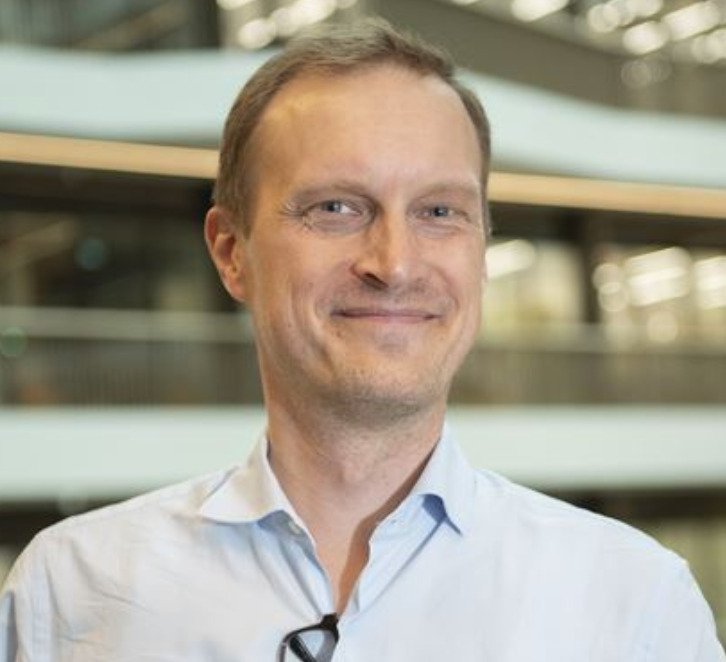
“A lot of things happened that constituted an attack on research funding in the USA,” he says, adding that it was clear after talking to his overseas colleagues that researchers in the USA and researchers in Europe who had been planning to apply to the USA have started to look to Europe.
The time was right, and interest has exceeded KI’s expectations with over 2,700 applications from almost 1,600 individual researchers, including from many of the world’s leading universities. Professor Linnarsson notes with satisfaction the standard of the applications:
“Above all, they presented very exciting projects. Well-designed, interesting and creative.”
The departments’ key role
One manifest difference to earlier recruitment models has been the active role played by the departments, each of which has been in charge of its own recruitment within the bounds of a common structure and schedule and with co-financing from the Faculty Board.
The more personal process has enabled the departments and the candidates to better familiarise themselves with each other in terms of both research environments and expectations.
“If you’re going to recruit new research group leaders from abroad, you have to understand that it’s a big decision for the individual candidate, who often have a family to consider,” says Professor Linnarsson.
Important to answer all questions
Offers were sent out to all 20 short-listed candidates at the end of January. Many of the positions have currently been filled, while some candidates are also considering offers from other universities.
“At this level, things are a bit the other way round, and we sell ourselves to them,” explains Professor Linnarsson. “We must make sure to deal with their questions and do what we can to help arrange work for their partners and schooling for their children.”
The aim is to repeat the programme, but perhaps not on such a scale. At the same time, Professor Linnarsson stresses that it is not the only way in to KI and that other recruitment models will continue to be needed, especially for clinical researchers requiring combined appointments.
One matter that still needs developing is the level of the start packages, in which the competition from some of the other international universities has been patent.
“We might have to look at raising the level or introducing a higher level,” says Professor Linnarsson.
Deferred impact
Most of the newly appointed assistant professors are expected to start this autumn. To Professor Linnarsson, the recruitment drive will one day prove decisive to KI’s development and renewal:
“In ten years’ time, these people will be in positions of leadership at KI. So it’s essential that we recruit the best and most pioneering people.”