
Sustainable development in KI’s education: Resource Bank and newly established network for teachers
For teachers at KI interested in topics related to teaching for planetary health, sustainable development, and sustainable healthcare, there is now a resource bank with teaching materials and a network for support and knowledge exchange.
Resource Bank for teaching sustainable development
The Resource Bank is available on the Staff portal and contains materials on sustainable healthcare, planetary health, and the connections between the different dimensions of sustainable development (social, economic, and environmental sustainability) and health. There is also a link in the Resource Bank to an activity bank in Canvas with examples of teaching activities that can be used in KI’s educational programmes.
Sustainable development network for teachers
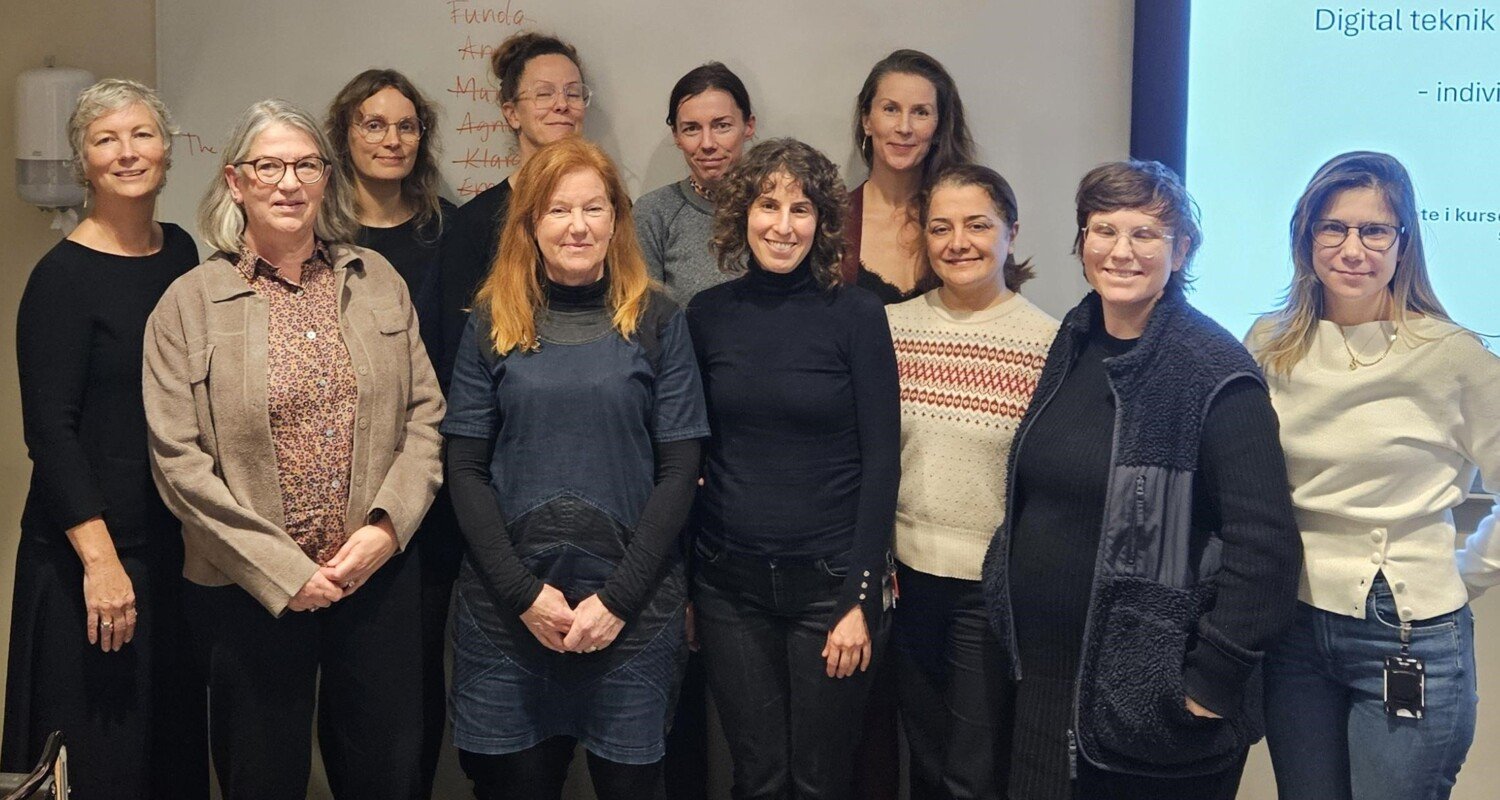
The purpose of the newly established network is to support each other and other teachers at KI in the work of integrating education for sustainable development within planetary boundaries across all KI educational programmes. The network was initiated by participants in a training course on teaching for sustainable development and sustainable healthcare, which was piloted in autumn 2025. The course participants are the first members of the network, but it is open to all teachers engaged in this area
– Both the course and the Resource Bank were developed with funding from the Committee for Higher Education, with the aim of supporting teachers in the often challenging task of integrating education for sustainable development into KI’s programmes. A study conducted at KI in spring 2024 showed that many teachers were positive about the mission to teach for sustainable development but felt they lacked both knowledge and necessary support for the task. Both the course and the resource bank are important parts of this support, and I perceive that the course participants have already benefited from sharing both knowledge and experiences with each other. The newly created network is a logical next step to continue supporting each other and other teachers in this work, even after the course has ended, says Sara Widén, Course leader.
Would you like support on how your specific programme can work more with sustainable development? Here is a list of network members you can contact for each programme:
- Bachelor's Programme in Biomedicine: Per Antonsson
- Master’s Programme in Molecular Techniques in Life Sciences: Louisa Cheung
- Master’s Programme in Public Health Sciences: Ester Gubi and Ann Liljas
- Master’s Programme in Translational Physiology and Pharmacology: Funda Orhan
- Study Programme in Dentistry: Robert Schibbye
- Study Programme in Midwifery: Ewa Elvin
- Study Programme in Nursing: Anette Forss
- Study Programme in Occupational Therapy: Mandana Fallahpour
- Study Programme in Optometry: Eva Sturk Franzén
- Study Programme in Psychology: Klara Olofsdotter Lauri
- Study Programme in Psychotherapy: Maria Beckman
- Study Programme in Physiotherapy: Emma Swärdh
- Study Programme in Speech and Language Pathology: Agnes Löfgren