
Research review on iodine's role in thyroid cancer
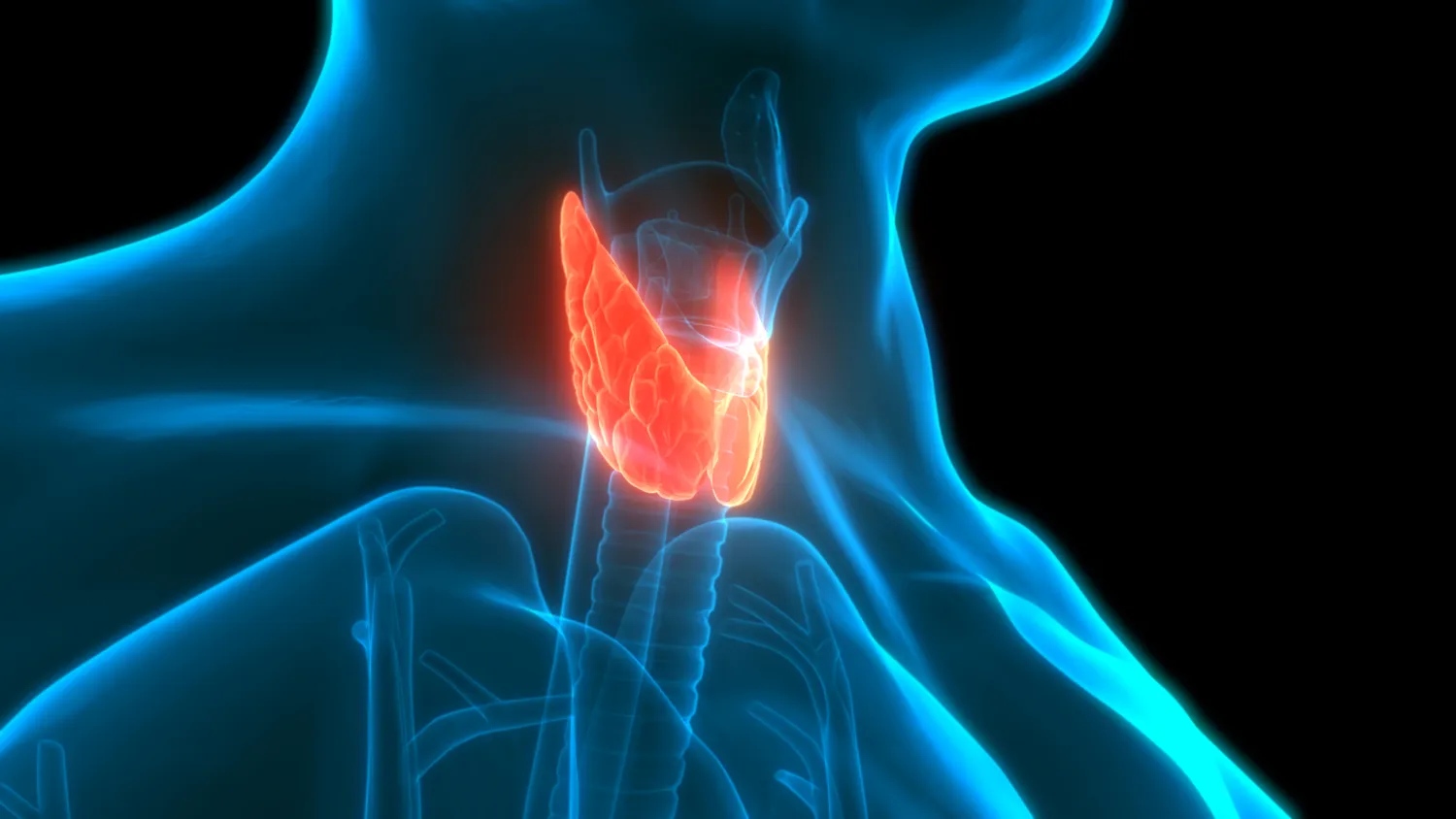
In a review article in Nature Reviews Endocrinology, researchers at Karolinska Institutet summarize current knowledge of how iodine influences thyroid cancer. The article describes mechanisms behind why treatment with radioactive iodine works differently in different patients.
Iodine is an essential element for the thyroid gland’s production of hormones. It is also the basis for radioactive iodine therapy, which is used to eliminate remaining cancer cells after surgery for thyroid cancer. In the current review, researchers summarize how iodine metabolism in tumors affects both disease progression and treatment outcomes.
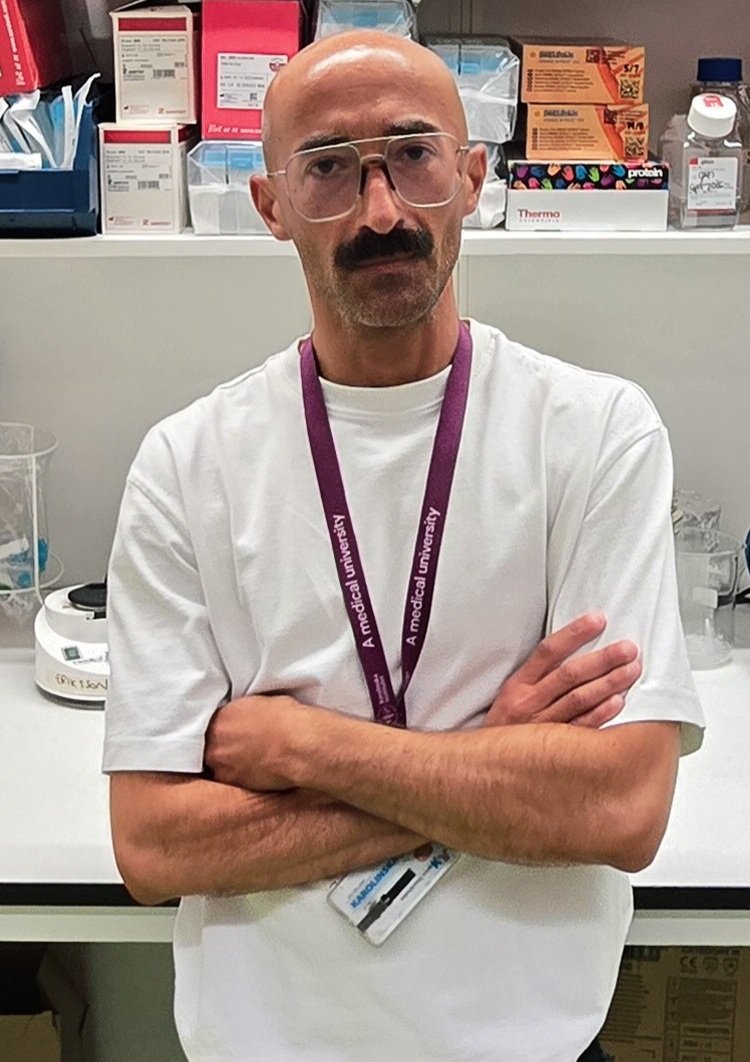
“Iodine handling in tumor cells is crucial for whether radioactive iodine treatment is effective or not,” says Vincenzo Condello, assistant professor at the Department of Oncology-Pathology and first author of the article.
A key aspect of treatment is the ability of tumor cells to take up iodine. This property underlies the use of radioactive iodine to target cancer cells. The review describes how tumors in patients with more advanced thyroid cancer often lose this ability, meaning that treatment becomes less effective or may stop working altogether.
The researchers highlight that loss of iodine uptake is often due to changes in so-called iodine transporters, in particular a protein called NIS. When this protein does not function properly, the cells’ ability to take up iodine decreases, which in turn affects the response to treatment.
The article also describes how genetic alterations in tumors can influence iodine uptake. Certain mutations are associated with lower iodine uptake and poorer treatment response, while other tumors retain this function to a greater extent and therefore respond better to therapy.
New strategies to restore uptake of iodine
In recent years, new treatment strategies have been developed with the aim of restoring the tumor cells’ ability to take up iodine. One such strategy is known as redifferentiation, where drugs targeting specific signaling pathways in cancer cells can reactivate iodine transport. In some studies, these approaches have made it possible to treat patients again with radioactive iodine.

“The goal is to better understand the biological properties of tumors in order to tailor treatment to each patient’s individual conditions,” says Christofer Juhlin, professor at the same department and last author of the article.
The review also shows that the treatment of thyroid cancer is increasingly based on an integrated assessment of tumor characteristics, including genetic factors, tissue analysis, and functional imaging methods. This may contribute to more individualized treatment strategies.
The article is a collaboration between researchers at Karolinska Institutet and Karolinska University Hospital. The authors report no conflicts of interest.
Publication
From bench to bedside: the evolving role of iodine in thyroid cancer management.
Condello V, Nilsson JN, Zedenius J, Juhlin CC
Nat Rev Endocrinol 2026 Jun;():