

RNA influences how cells repair damaged DNA
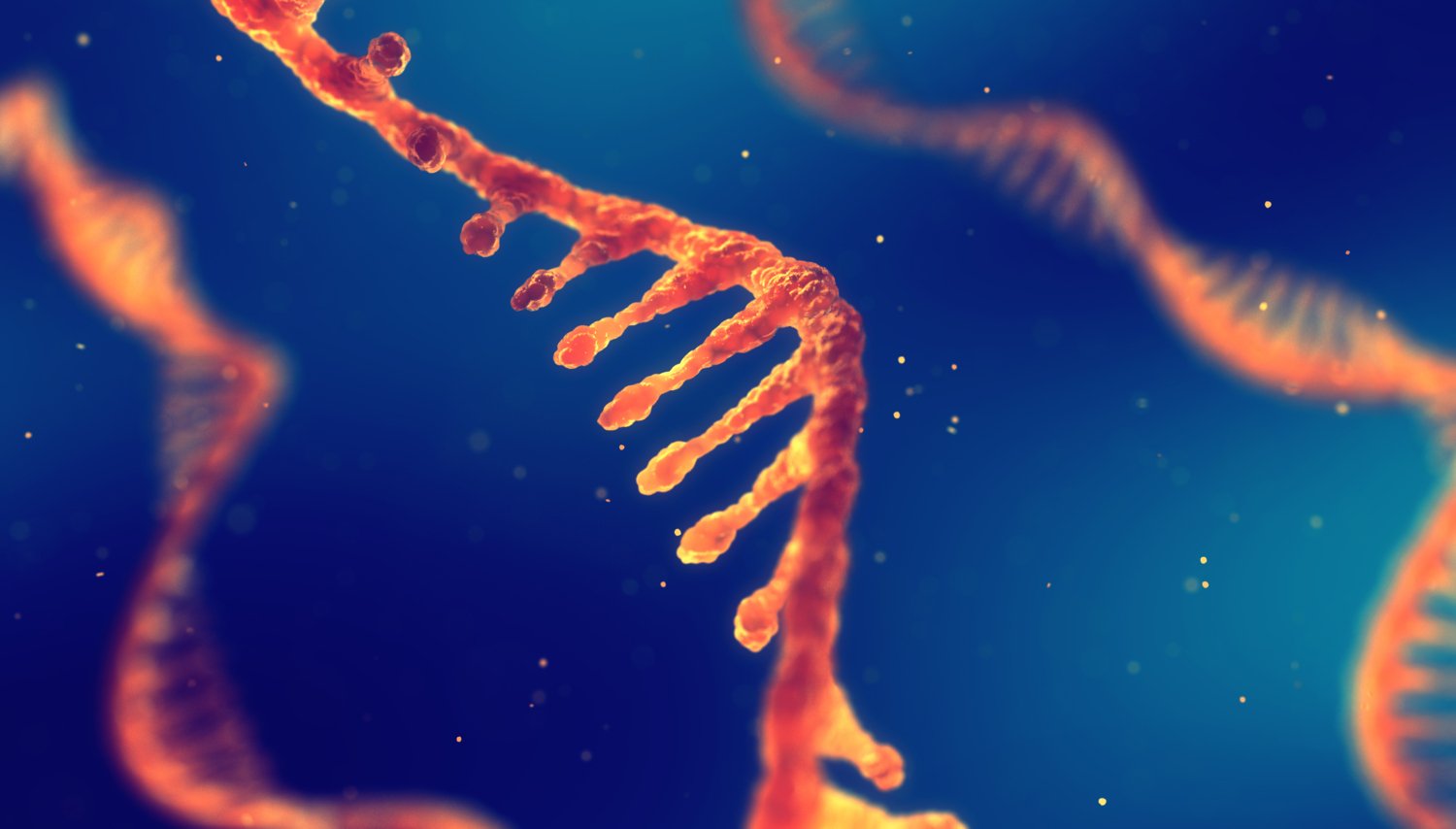
A new doctoral thesis from Karolinska Institutet shows that RNA can influence how cells repair damage to their DNA. The findings contribute to a better understanding of processes that are important in diseases such as cancer and may be relevant for future treatment development.
DNA contains instructions that govern how cells function. When it is damaged, for example by sunlight or chemicals, it must be repaired to prevent errors that can lead to disease. In his thesis, Sandro Schmidli at the Department of Oncology-Pathology has investigated how small RNA molecules influence this process. RNA is a molecule similar to DNA and is often described as an intermediary in the cell, carrying information to the parts that produce proteins, which are the body’s building blocks.
The study focused on a group of small RNA molecules known as scaRNA, which are found in the cell nucleus where DNA is stored. The results show that one of these molecules, scaRNA2, can bind to a protein involved in DNA repair. When this happens, the protein behaves differently. This affects which repair method the cell uses: a method that can introduce more errors is used less, while a more accurate method appears to be favoured.

“We show that RNA may have a more direct role in DNA repair than has previously been understood in detail,” says Sandro Schmidli, doctoral student at the Department of Oncology-Pathology.
The thesis also examined synthetic oligonucleotides, which are artificial molecules similar to DNA and RNA and are used in some medicines. The researchers observed that these molecules can trap key repair proteins in structures within the cell nucleus. When the proteins are sequestered there, they are less available to repair actual DNA damage, which may lead to an accumulation of damage over time.
“We observed that these synthetic molecules can affect the cell’s normal repair systems. This is important to consider in the development of new treatments”, says Sandro Schmidli.
The study also suggests that these molecules may have additional effects.
“We found that the molecules killed cancer cells, which could be relevant for therapeutic strategies”, Marianne Farnebo, docent at the same department, who supervised the work.
According to the thesis, understanding how DNA repair is regulated is central to understanding how diseases such as cancer arise and develop. At the same time, Sandro Schmidli notes that the mechanisms are not yet fully understood and that several details of how RNA influences this process need further investigation.
The public defence of the thesis will take place on 16 June.