
New thesis evaluates activity-focused stroke prevention program
Hi Cecilia Johnsson, doctoral student at the Division of Occupational Therapy. On January 16 you will defend your thesis ”Complex paths of lifestyle change in stroke prevention : unveiling seeds and processes of engaging occupations”. What is the main focus of the thesis?
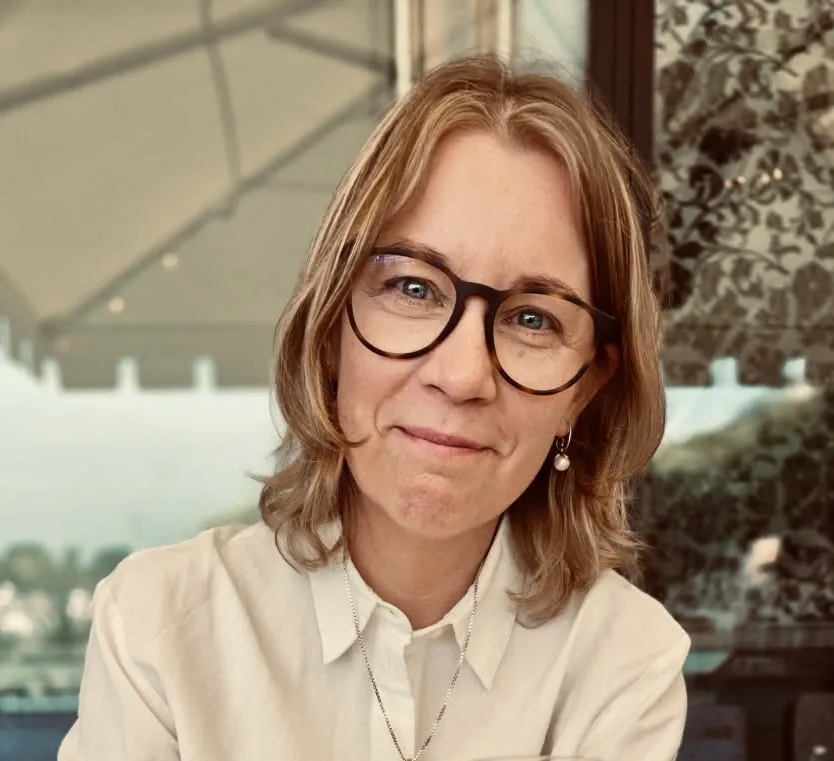
”This thesis evaluates and explores Make MyDay (MMD),an innovativeactivity-focused stroke prevention program, which focuses on lifestyle changes through engaging everyday occupations. The program utilises engaging everyday occupations as a both the mean and goal to motivate sustainable lifestyle changes in people at risk of stroke”, says Cecilia Johnsson, doctoral student at the Department of Neurobiology, Care Sciences and Society.
”The program was carried out at primary healthcare clinics with are habilitation team consisting of an occupational therapist, physiotherapist and dietician.The thesis includes a range of evaluations where we investigated the effect of the program on reducing stroke risk compared to a control group. We also evaluated processes of implementation as well as experiences of participating in the program where we actively included the participants in co-creating refinements of the program”.
What are the most important results?
”The results show that the effect of participating in MakeMy Day,reduces the risk of stroke significantly compared to being in the control group. The results also show that individual risk factors such as level of physical activity, highblood pressure, dietary habits and weight have improved after participating in the program. However, as they also improved in the control group, we have recognised that identifying ones risks faktors and formulating individual activity focused goals has had a good impact on the lifestyle change process. We have also identified the positive results and benefits from having included participants in co-creative processes that have refined the program, which has contributed to a more relevant and effective program”.
How can this new knowledge contribute to the improvement of people’s health?
”This thesis shows the inherent power and potential of engaging everyday occupations i.e. occupations that engage,motivate, inspire and provide energy and joy to the person, in order to generate sustainable lifestyle changes and thus reduce stroke risk and improve health and well-being. The overall knowledge generated in the studies illustrates the complexity and challenges of implementing sustainable lifestyle changes where factors such as individual goals, engaging occupations and support of a group were important and contributing factors to succeding”.
What’s in the future for you? Will you continue to conduct research?
”Yes, I will continue to do research. Stepping on a full-time postdoc position for two years at the Division of Occupational Therapy here at KI after the dissertation where I will continue my development in research methods such as co-creation that I was introduced to in my PhD project but also research with an occupational perspective which I am passionate about. In addition,I have been granted research funding from the Swedish Association of OccupationalTherapists, which gives me the opportunity to further develop and expand theoretical occupational concepts from my doctoral project, which feels exciting and inspiring”.