

Doctoral thesis examines variation within breast cancer tumours
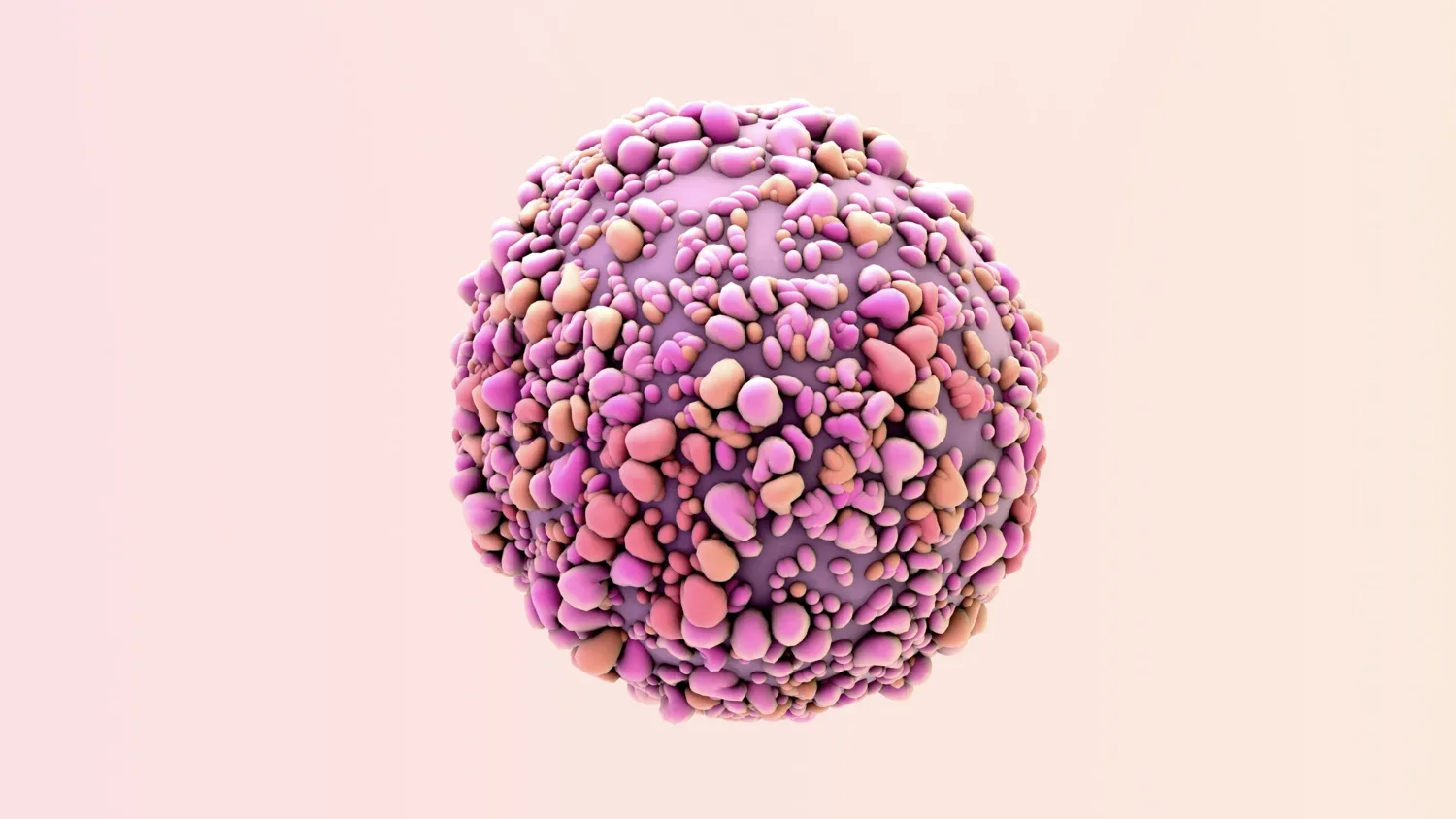
Breast cancer tumours can contain different cell types and structures, which may influence how the disease develops and responds to treatment. In a new thesis from Karolinska Institutet, Qiao Yang at the department of oncology pathology uses computer based methods and multi omics data to map this variation in large, untreated breast tumours. The findings may help support more comprehensive diagnostic strategies and inform future treatment decisions.
We asked Qiao Yang to tell us more about the thesis.
What is the focus of your thesis?
“My thesis explores how breast cancer can differ within a tumour and how this variation is organised. To do this, I developed methods that allow tumour samples to be analysed in a consistent way. These methods were then used to examine how variation inside large, untreated tumours is structured and what this might mean for the disease.”
Which are the most important results?
“The work led to several important results. First, we developed an R package called BreastSubtypeR, a software tool that helps researchers classify breast tumours in a consistent way. We also created a pipeline (Computational Tissue Annotation, CTA), a computer-based method that identifies different cell types in tissue samples and improves the analysis of spatial data. Finally, we found that tumours with high genetic variation before treatment could respond better to certain types of chemotherapy, suggesting that this variation may also reveal a possible treatment opportunity.”
How can this new knowledge contribute to improving health?
“My work may have implications for both research and clinical care. The tools we developed are freely available and can help improve the quality of breast cancer studies. We also showed that tumours contain diverse cell populations, which suggests that single biopsies may not always capture the full picture. In addition, we found that genetic variation inside untreated tumours could be linked to better response to certain chemotherapy drugs, a result that may support future development of a biomarker if confirmed in clinical studies.”
What are your future ambitions?
“My ambition is to continue working in this research field and focus on how discoveries from spatial multi‑omics can be translated into clinical use. A key goal is to validate the finding that certain forms of tumour heterogeneity may represent a treatment vulnerability, by studying larger and independent patient cohorts and exploring the underlying mechanisms.”
Doctoral thesis
"Unveiling breast cancer heterogeneity by integrating computational approaches and multi-omics data."