

New thesis investigates complex walking in aging and in Parkinson's disease
Hi Alexander Kvist, doctoral student at the Division of Physiotherapy. On March 6 you will defend your thesis ”Evaluating complex walking in aging and neurological disease : from motor behavior to brain activity”. What is the main focus of the thesis?
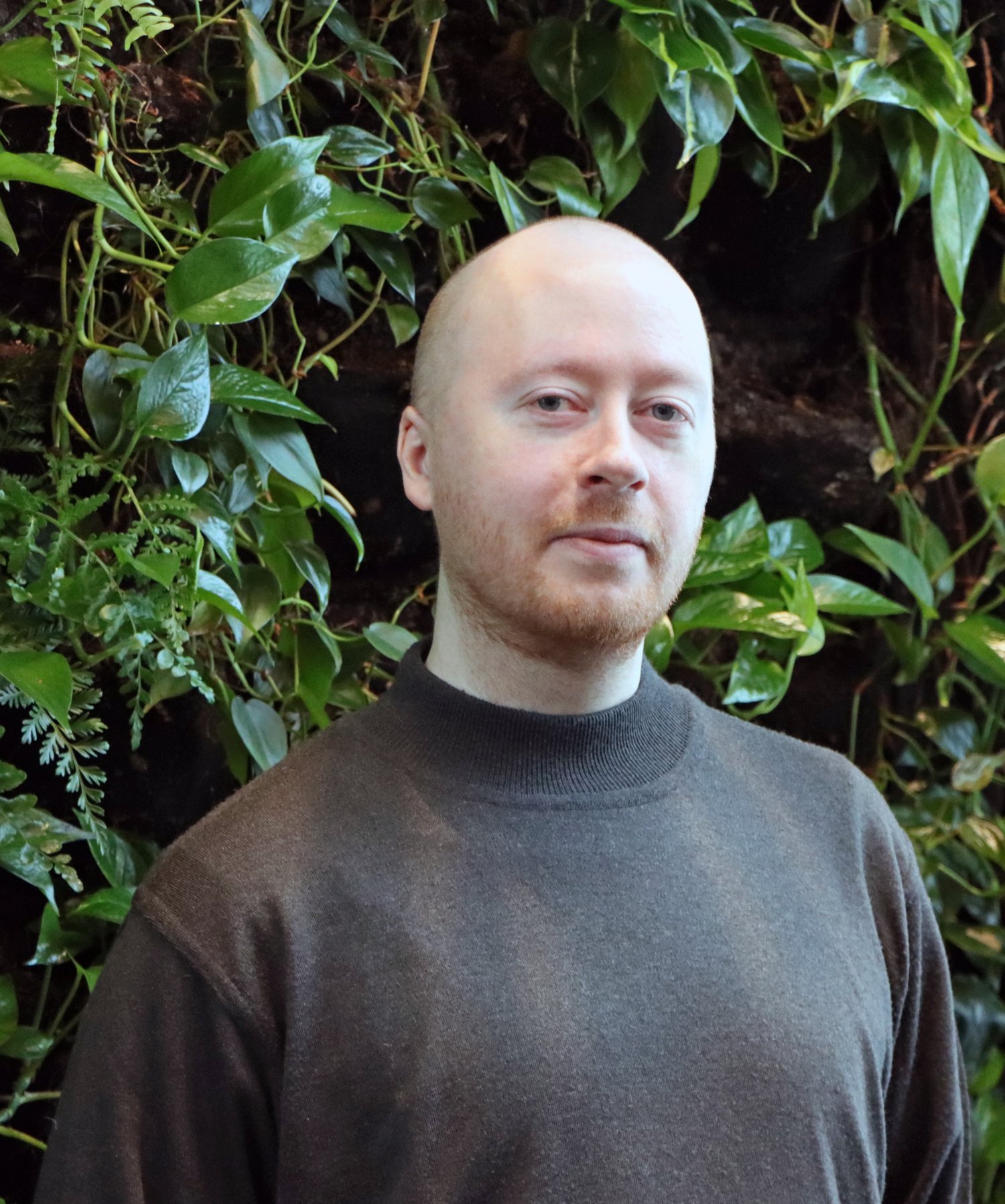
”In my thesis, I try to understand how people perform certain types of complex walking that often occur in everyday life: walking while talking, thinking, planning and turning”, says Alexander Kvist, doctoral student at the Department of Neurobiology, Care Sciences and Society. ”The thesis investigates this ability in aging and in Parkinson's disease, tying together motor behavior, cognition, and what happens in the brain during these types of walking.”
Which are the most important results?
”We found evidence supporting certain theories of how prefrontal areas of the brain try to compensate for a loss of walking automaticity in Parkinson's disease, and could illustrate trajectories of how such a mechanism begins to decline after an age of about 70 years.”
How can this new knowledge contribute to the improvement of people’s health?
”This knowledge might inform motor learning and rehabilitation strategies, and the methods developed in this thesis would be useful in evaluating interventions targeting balance and gait performance.”
What’s in the future for you? Will you continue to conduct research?
”I am planning on doing a post-doc and conducting more research in the area, improving on the methods in the thesis, and studying this complex walking ability in a wider range of neurodegenerative populations.”