
Meet KI’s student and doctoral student ombudspersons
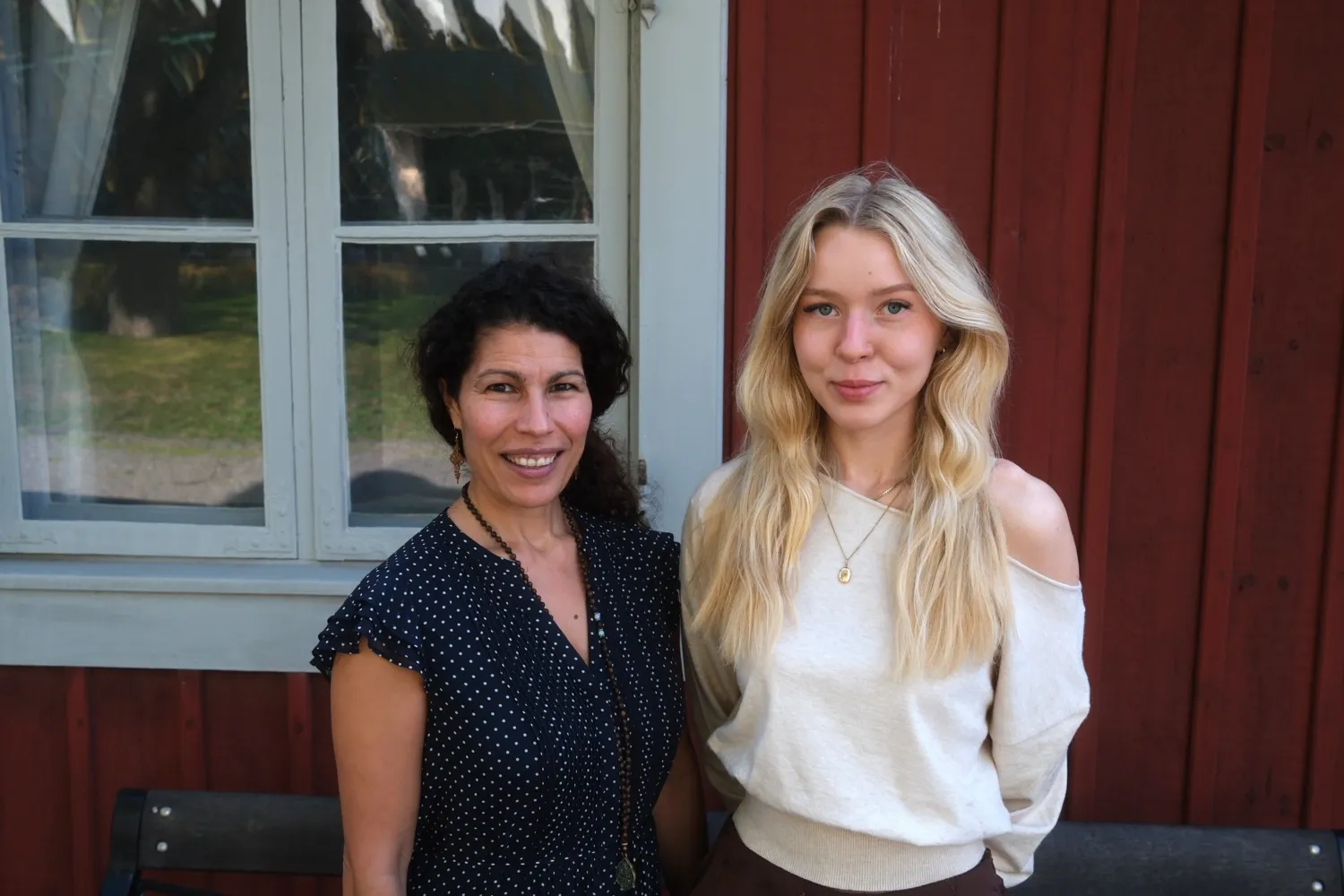
Since May 2025, Alexandra Kambler and Ingrid Öberg have been working as student and doctoral ombudspersons at the Medical Students’ Association. Their role is to make it easier for KI students to access support in time, prevent problems from escalating, and contribute to clearer and safer processes throughout their studies.
Who are you? Tell us a bit about yourselves.
Ingrid Öberg: "I´m a lawyer and started as a student and doctoral ombud in May 2025. I have experience in legal counselling and a particular interest in labour and study environment law. My focus is to help students and doctoral students understand KI’s processes and the rights and responsibilities that apply."
Alexandra Kambler: "I´m a behavioural scientist with a background in psychology, dance and movement therapy, and philosophy. I am currently continuing my training in analytical psychology. Alongside my role as an ombud, I am affiliated with and take part in research at the National Centre for Suicide Research and Prevention at KI. I have previously worked as a study and career counsellor at KTH and run my own practice in personal development. I joined MF as an ombud in August 2025 and enjoy the role very much."
What do you hope to contribute in your roles over the coming year?
Ingrid Öberg and Alexandra Kambler: "We aim to offer clear and reliable support to students in matters ranging from grade appeals and eligibility questions to conflicts and disciplinary cases. Our focus is to strengthen students’ rights by acting as an independent and impartial party with full confidentiality. We also look forward to holding workshops and creating more spaces where students can ask questions and receive guidance."
What issues or challenges do you see as particularly important right now?
Alexandra Kambler: "One major challenge is that many students and doctoral students still don’t know that the ombuds exist. When we are not visible, we lose the chance to prevent problems early. We therefore want to work more actively with clear information, meetings and early conversations so that students feel prepared and confident in their rights."
Ingrid Öberg: "We also see that many students are unsure of how to report incidents or use the IA system, which means problems can remain invisible. We want to help more students feel safe seeking support without fear of consequences, and ensure they receive both factual guidance and emotional support when situations feel overwhelming. This strengthens both the individual and the study environment at KI."
How would you like students and doctoral students to use your support?
Alexandra Kambler and Ingrid Öberg: "We encourage students and doctoral students to contact us early, even with small questions. Many issues can be prevented simply by talking through the situation and getting support on how to move forward. We can accompany students throughout a case and attend meetings if needed. It helps if students briefly describe what the matter concerns, so we can provide the right support quickly and clarify the next steps."
The easiest way to reach us is through the case forms on the Medical Students’ Association website.