
New thesis on how AI and cell images could transform drug discovery in cancer
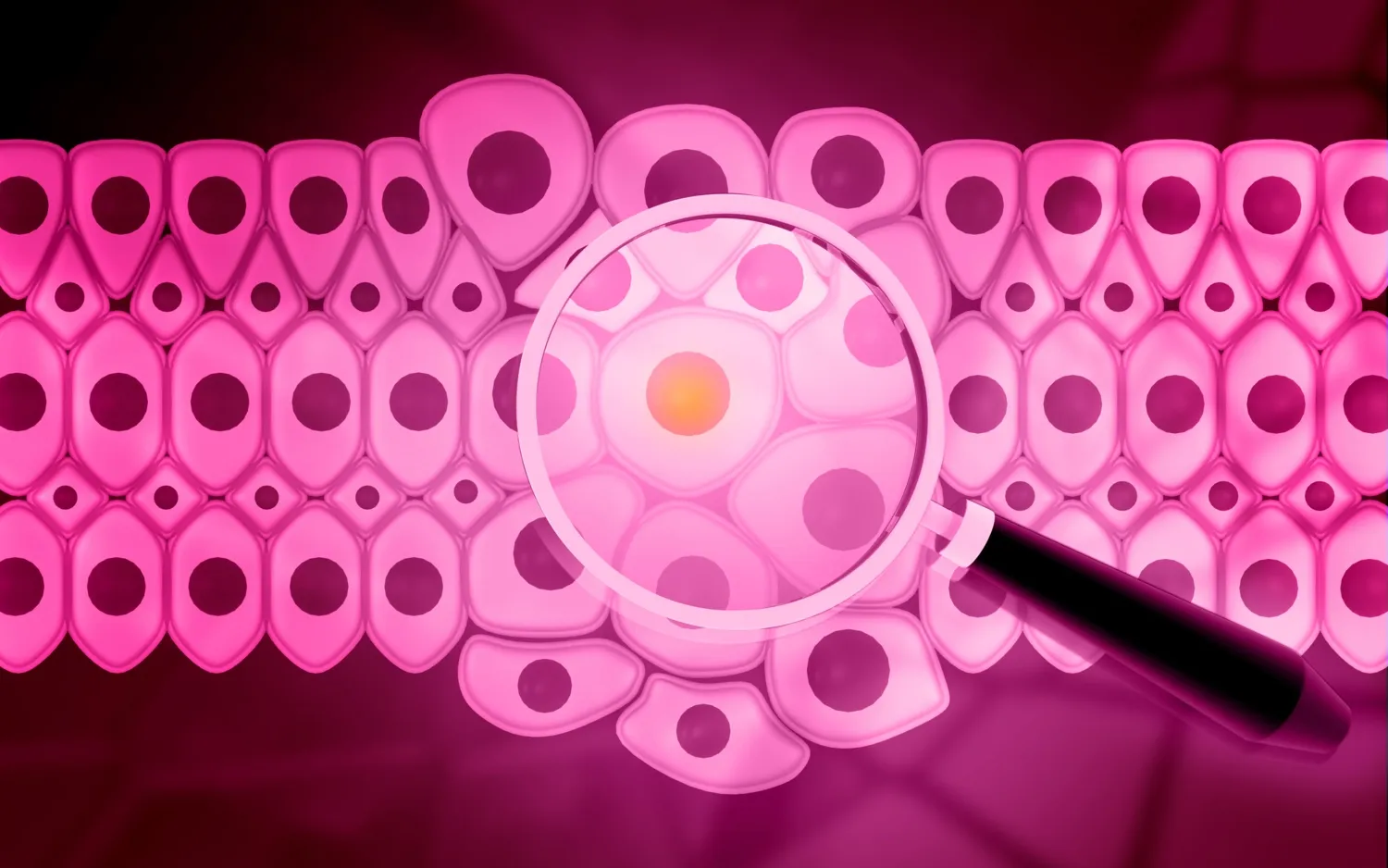
Cancer is complex and hard to treat, with many forms that change over time. This makes treatment complicated: a drug may help one patient but not another. Developing new cancer drugs is also slow and costly, often taking years and failing before reaching patients. This thesis explores how advanced laboratory models and artificial intelligence could make the process faster.
We asked Osheen Sharma, doctoral student at the Department of Oncology-Pathology to tell us what her thesis is about.
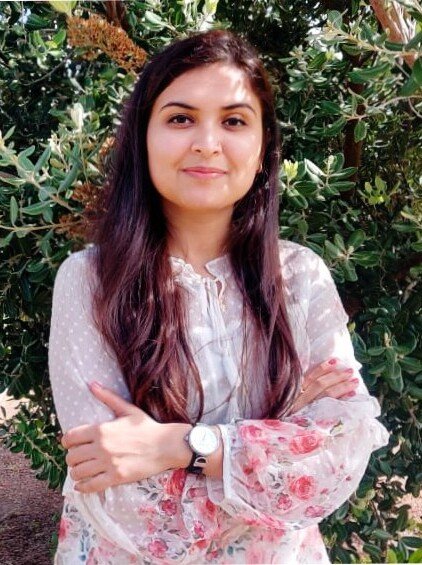
"The focus of my thesis is to understand how cancer cells react to treatment and why their responses differ. Cancer cells do not exist alone; they are influenced by other surrounding cells that can influence how they grow and respond to treatment. Using microscopic images and artificial intelligence (AI), I studied how cancer cells change, such as how fast they grow and what they look like (shape, size, structure)."
"The work shows that different cancer types can respond very differently to the same treatment. It also shows that varied treatment combinations make it even harder to understand drug effects. The goal is to use AI to capture and explain these complex and more realistic treatment responses."
Which are the most important results?
"The thesis shows that cancer cell responses to treatments vary greatly and are strongly affected by fibroblasts, particularly in ovarian cancer models. Fibroblasts can change how cancer cells grow and make drugs less effective, which means simplified cancer-only models are not enough. Another key finding is that no single AI model works for all cancer types - models need to be adapted to the biological context."
"The research also shows that AI can learn from many kinds of drug libraries and predict how cells respond, even when the drugs work in different ways. Overall, the work highlights both the potential of AI and the challenges that must be solved before these tools can be used reliably in real-world settings."
How can this new knowledge contribute to the improvement of people’s health?
"This work helps improve health by using AI to help us understand why patients respond so differently to treatment. The AI analysis shows which factors influence the results the most, such as differences between cancer cell types, other surrounding cells, and how drugs affect several targets at once. It also shows how important it is to design experiments carefully and to train AI models in the right way."
"By highlighting what truly affects the results, the research helps scientists design better experiments and interpret data more correctly. In the long run, this can support better clinical decisions and make cancer treatment more personalized."
What are your future ambitions?
"I aim to continue working in cancer research, understanding how surrounding cells influence cancer growth and drug resistance. I plan to study drug responses over time rather than at a single time point and combine imaging data with other types of data, such as omics data. I also want more hands-on lab experience to better link computational findings with biological mechanisms. Further, I am interested in studying how the body’s internal clock influences cancer growth and treatment responses using mathematical modeling."
Thesis
Dissertation
Friday February 6, 2026 at 9:30 in Inghesalen, Widerströmska huset, Tomtebodavägen 18a.