

KI student Philip changed direction: “I wanted to understand people rather than markets”
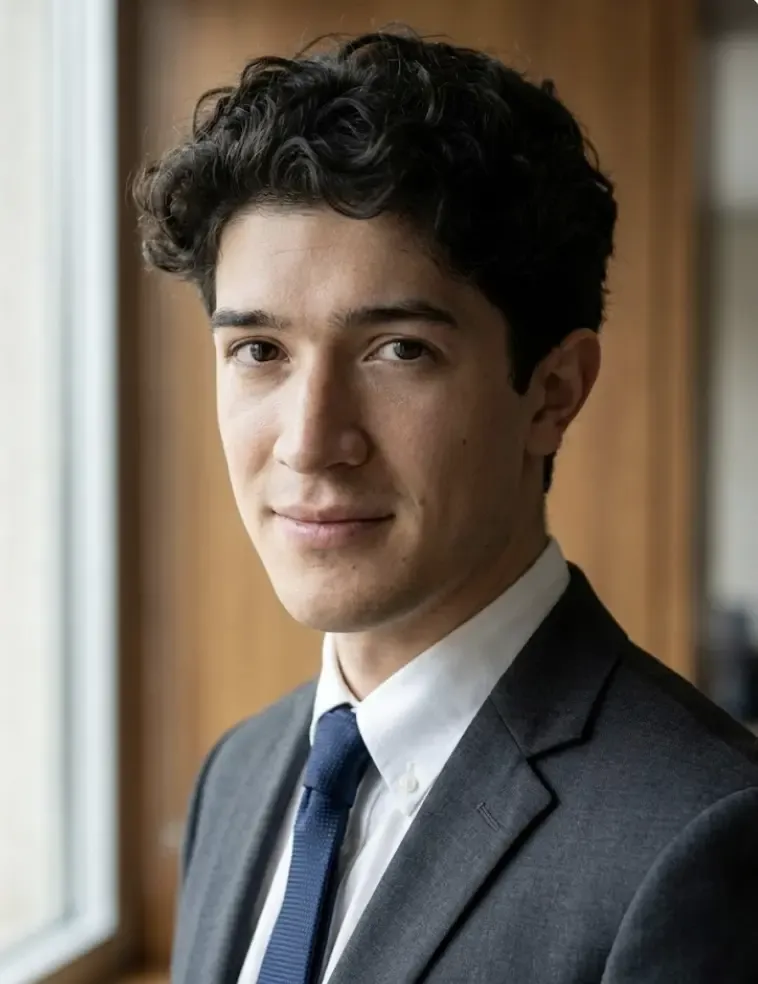
After completing a bachelor’s degree in economics, Philip Lindersten realised he was more interested in people than in markets. Today, he is studying on the psychology programme at KI, where the encounter between research and real-life experiences became decisive for his choice.
What made you take the leap and change the direction of your studies?
“I’ve been interested in people and mental health for as long as I can remember, so the idea of becoming a psychologist was always there. For a few semesters, I studied both programmes in parallel, but in the end one thing made the difference: the combination of science and clinical work – being able to conduct research on mental health while also sitting face to face with someone and trying to help,” says psychology student Philip Lindersten.
How would you describe the psychology programme – has anything surprised you?
“What surprised me most was the breadth. You might assume the programme is mainly about therapy, but we started with courses in neuroanatomy, statistics and research methods. Because it’s fundamentally a medical education, it includes a lot of natural science, especially during the first semesters – something I think many, including myself, underestimate.”
What does a typical study week look like for you?
“It varies a lot depending on the semester, but right now I’m combining my studies with work in psychiatry and with building up a practice I founded that offers coaching for ADHD and autism. The key for me has been not trying to separate ‘studies’ from ‘everything else’. Much of what I do outside my studies – clinical work, research, entrepreneurship – connects directly to what I’m learning in the programme.”
What would you say to someone considering applying to the psychology programme?
“Apply if you’re genuinely curious about people and not afraid of natural science. The programme is long and can be competitive to get into – but it gives you a skill set that’s useful in almost any context, not just as a therapist. And be prepared for the programme to change how you see yourself.”
What kind of role or career do you hope for after graduating?
“I want to combine clinical work with research and entrepreneurship. I want to help make psychiatric care more accessible and data-driven. I’m also interested in teaching – connecting psychology with leadership and decision-making, ideally in the space between academia and industry.”