
Karolinska Institutet involved in Sweden’s largest excellence cluster initiative
The government has initiated an investment in new excellence clusters totalling SEK 2.5 billion. With five planning grants awarded by the Swedish Research Council and Vinnova, Karolinska Institutet (KI) is one of the institutions taking the next step towards strengthening Sweden’s position in medical research and innovation.
To strengthen Sweden’s innovativeness and technological independence, the Swedish Research Council (VR) and Vinnova (the Swedish governmental agency for innovation systems) have been tasked with financing the establishment of an excellence cluster in groundbreaking technology fields. VR is investing SEK 1.5 billion, and Vinnova SEK 1 billion.
The aim of what is the largest single investment in the 2024 Research and Innovation Bill is for Sweden to have ten or so world-leading excellence clusters. It is hoped that in gathering actors from across sectors and disciplines, the cluster will attract international competence, capital and investment, and strengthen Sweden’s position on the global technology front.
Long-term research and innovation environments
Karolinska Institutet sees the investment in excellence clusters in groundbreaking technology as a unique opportunity to convert independent research into innovations of significant social benefit.
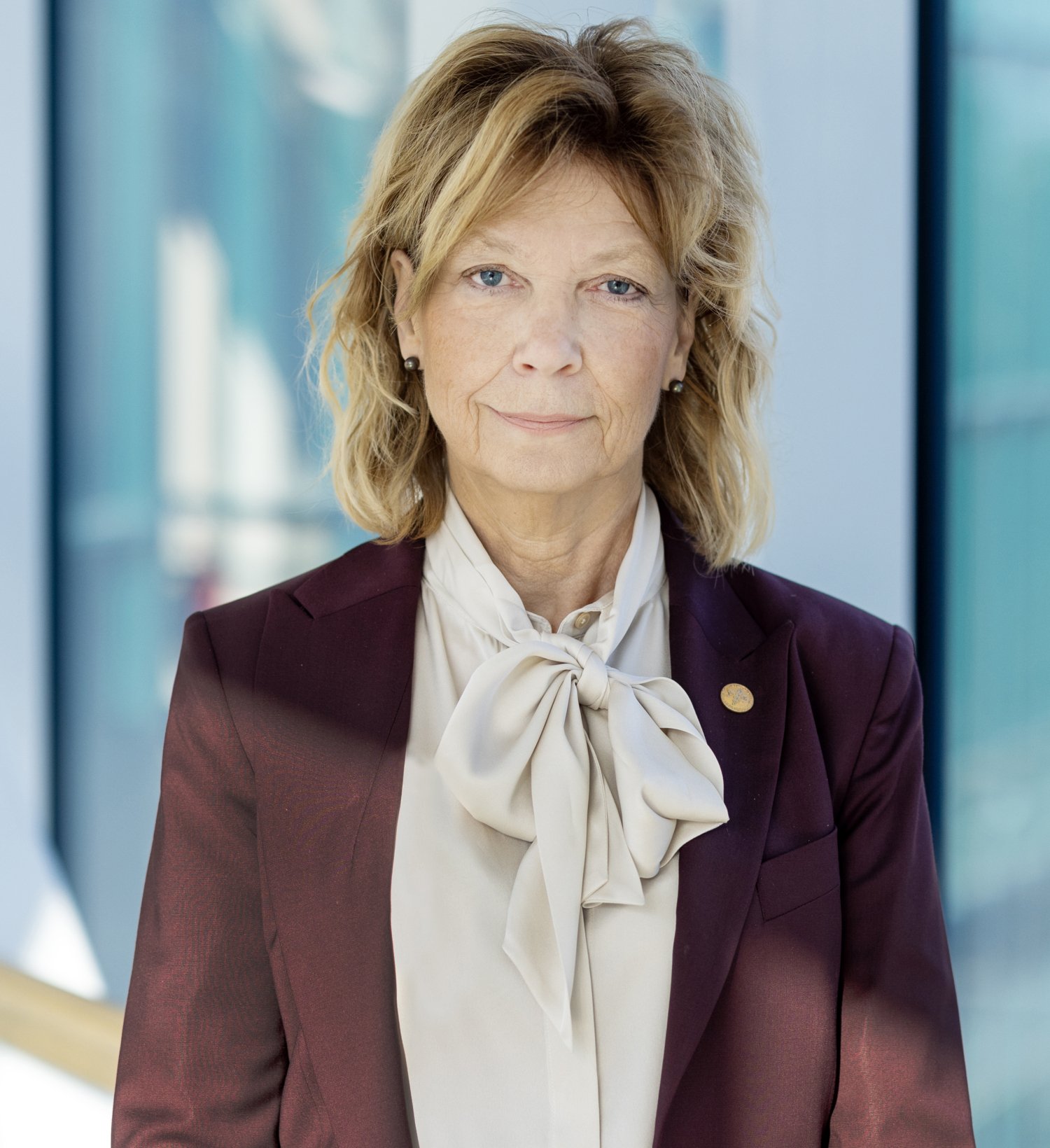
“It will enable us to build lasting research and innovation environments that enhance Sweden’s competitiveness,” says KI president Annika Östman Wernerson. “Uniting cutting-edge competence in technology with KI’s world-leading medical expertise will put us in a position to contrive solutions that change the future of medicine and healthcare and improve people’s lives.”
The first stage of the initiative was launched this autumn, when VR and Vinnova announced grants to fund the planning of excellence clusters. KI has been awarded funding for five such projects.
Five planning grants to KI
KI is involved in several of the projects, which cover such fields as spatial omics for clinical application, RNA-based precision therapies, generative vaccine development, the AI-guided development of modelling systems for the human body, and advanced molecular technologies for tomorrow’s precision medicine.
Projects at KI
- Niklas Björkström, professor at the Department of Medicine in Huddge, leads a project titled “Spatial omik: en brygga mellan teknikutveckling och klinisk tillämpning" (Spatial omics: bridging technological development and clinical application), financed by VR with a grant of SEK 1.2 million.
- Samir El-Andaloussi, professor at the Department of Laboratory Medicine, leads a project titled “Ett excellenscenter för RNA-baserade precisionsterapier" (An excellence centre for RNA-based precision therapies), financed by VR with a grant of SEK 1.2 million.
- “Generativ vaccinutveckling – ett kluster av excellens” (Generative vaccine development – a cluster of excellence), led by Gunilla Karlsson Hedestam, professor at the Department of Microbiology, Tumour and Cell Biology, has been awarded SEK 1.2 million by VR.
- Eduardo Villablanca, professor at the Department of Medicine in Solna, leads a project titled “Från algorithm till organ: AI-guidad utveckling för framtidens modellsystem av människokroppen" (From algorithm to organ: AI-guided development of future modelling systems for the human body), financed by VR with a grant of SEK 1.2 million.
- Jan Ellenberg, professor at the Department of Medical Biochemistry and Biophysics, and director of SciLifeLab, leads a project titled “Banbrytande teknologier i molekylär livsvetenskap för framtidens precisionsmedicin" (Groundbreaking technologies in molecular life science for tomorrow’s precision medicine), financed by Vinnova with a grant of SEK 1.5 million.
In total VR has awarded planning grants to 40 networks and Vinnova to 45 projects in strategic technological fields that have drawn up visions on how research on groundbreaking technologies can be turned into products and services. Every successful application has been awarded up to SEK 1.2 million from VR and up to SEK 1.5 million from Vinnova.
Analysis and report in spring 2026
The projects are to have been concluded by 31 March 2026, when they are to have submitted a report that includes an analysis of the research field, a strategy for collaboration and an assessment of the technology’s long-term societal impact, including its security implications.
Stage two of the initiative will take place next spring, when VR and Vinnova plan to announce parallel calls. Applicants for stage two grants need not have received planning grants in stage one.
Excellence clusters are a long-term investment intended to strengthen Sweden’s position in research and innovation. For KI, it represents an important step towards shaping the future of medicine and contributing to a healthier global community.