
First “glocal classroom” in sustainable health for master’s students at Karolinska Institutet
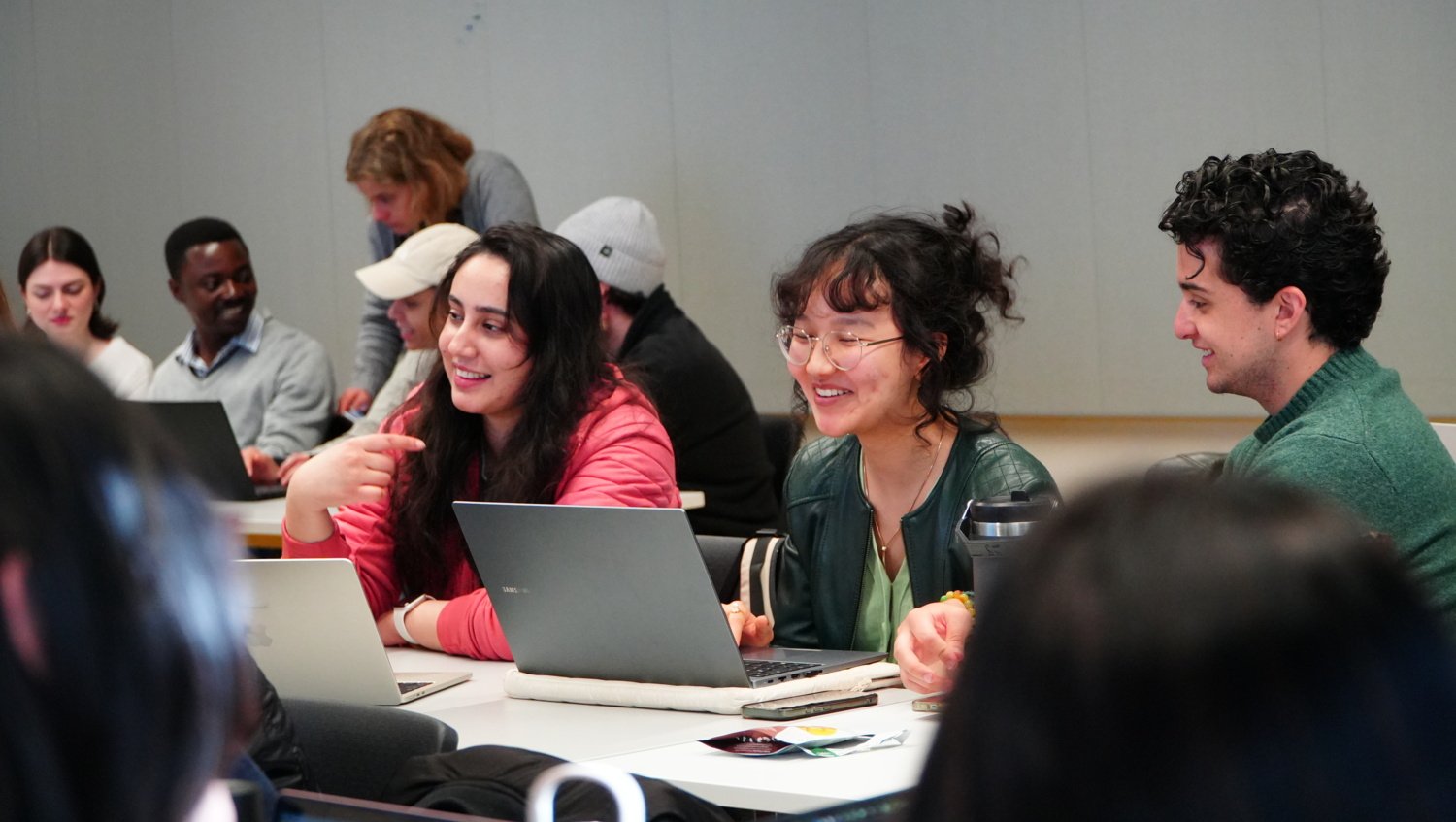
For the first time, the course Sustainable Health and Development was offered to master’s students within the Master’s Programme in Global Health at Karolinska Institutet. While the course has previously been delivered to undergraduate and doctoral students, it now offers new opportunities for interdisciplinary learning at the master’s level and for international collaboration.
Key facts about the course
- First course in Sustainable Health and Development for master’s students at KI
- Part of a 2-year (120 credits) international Master’s programme in Global Health
- Live collaboration between students in Sweden and Makerere University in Uganda
- Combines theory, practice, study visits, negotiation exercises and cross-cultural exchange
- Developed within the Centre of Excellence for Sustainable Health partnership
Collaborative learning across borders
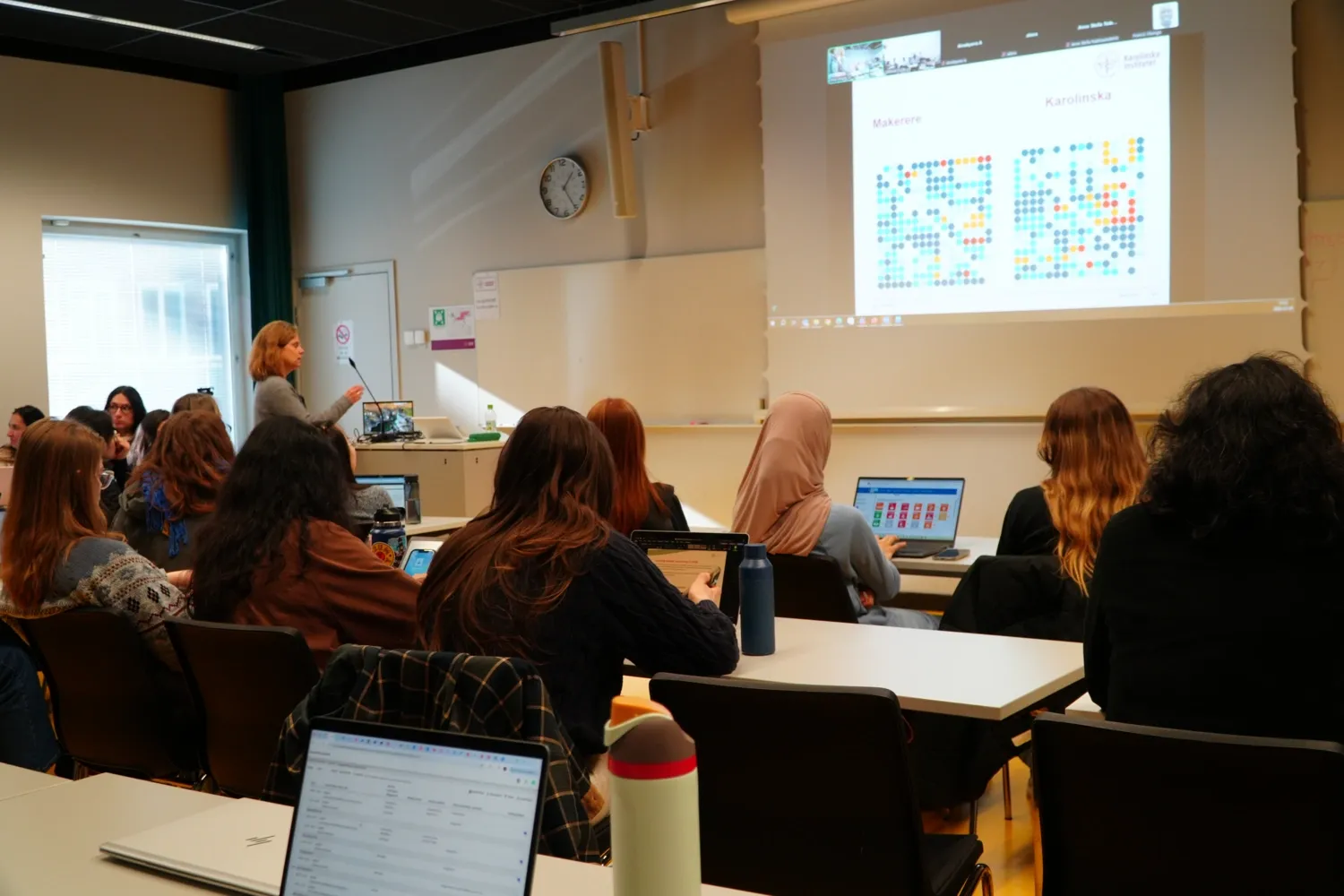
The course included a hybrid module delivered together with Makerere University in Uganda, creating what students and faculty have called a “Glocal Classroom.” Through live, connected sessions, students in Sweden and Uganda worked together in real time, exploring global health challenges and the Sustainable Development Goals (SDGs) from different contexts and perspectives.
The module was led by Nina Viberg (Karolinska Institutet) and Irene Wanyana (Makerere University), and offered students the opportunity to:
- Exchange perspectives across countries and health systems
- Reflect on how context shapes health outcomes
- Gain a deeper understanding of the interconnected nature of the SDGs
“This collaborative module allowed students to see how global frameworks can be applied locally, and how local realities can inform global health thinking,” says the course leadership.
Positive feedback from students
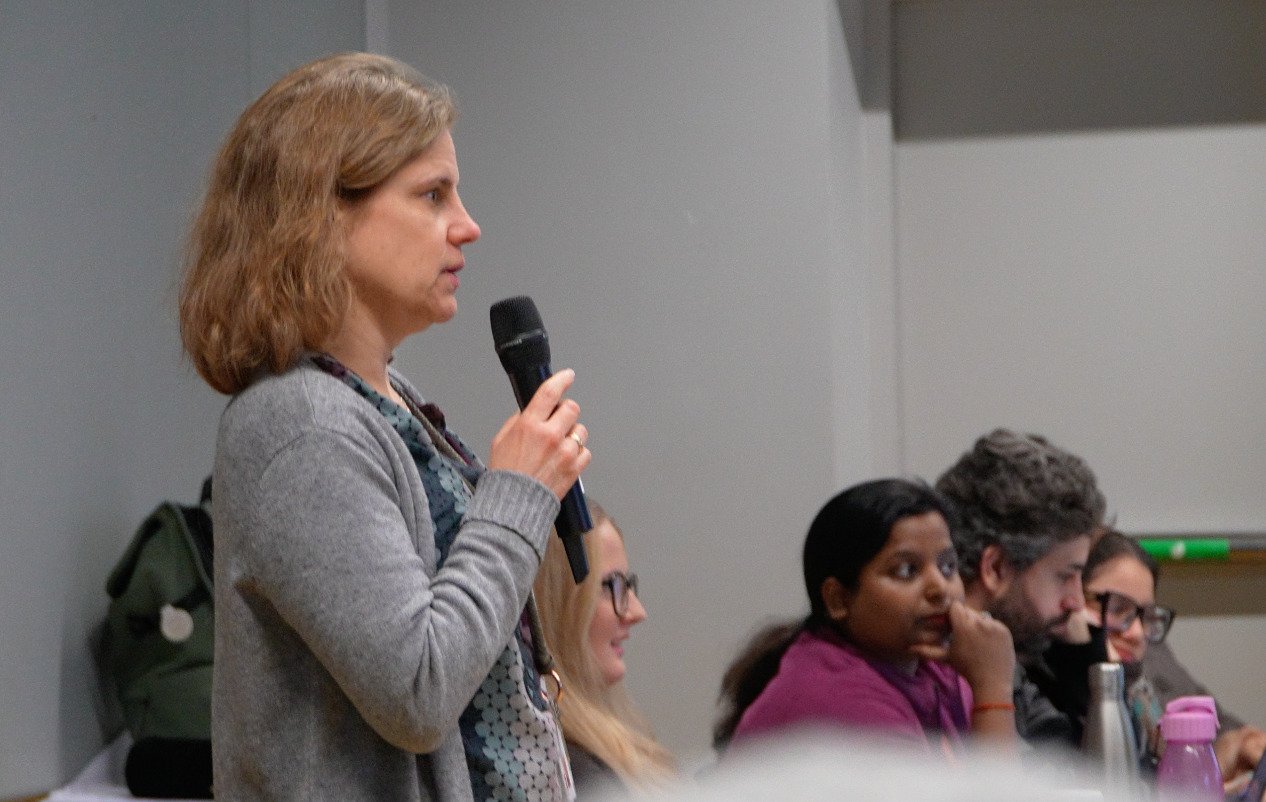
Students emphasized that the experience helped them connect theory and practice, while reinforcing the importance of collaboration when addressing complex global health challenges. The “Glocal Classroom” was described as shaping their understanding of “sustainability, equity, and the interconnected nature of health systems,” while also “broadening perspectives on how context shapes outcomes.”
Several students highlighted how the module brought concepts like systems thinking to life, showing that global health challenges are “wicked problems” requiring coordinated, cross-sector approaches. Working across contexts also made discussions “more practical” and helped students see the Sustainable Development Goals from “new angles,” strengthening their ability to translate global frameworks into locally relevant action.
Integrating sustainable health education and practice
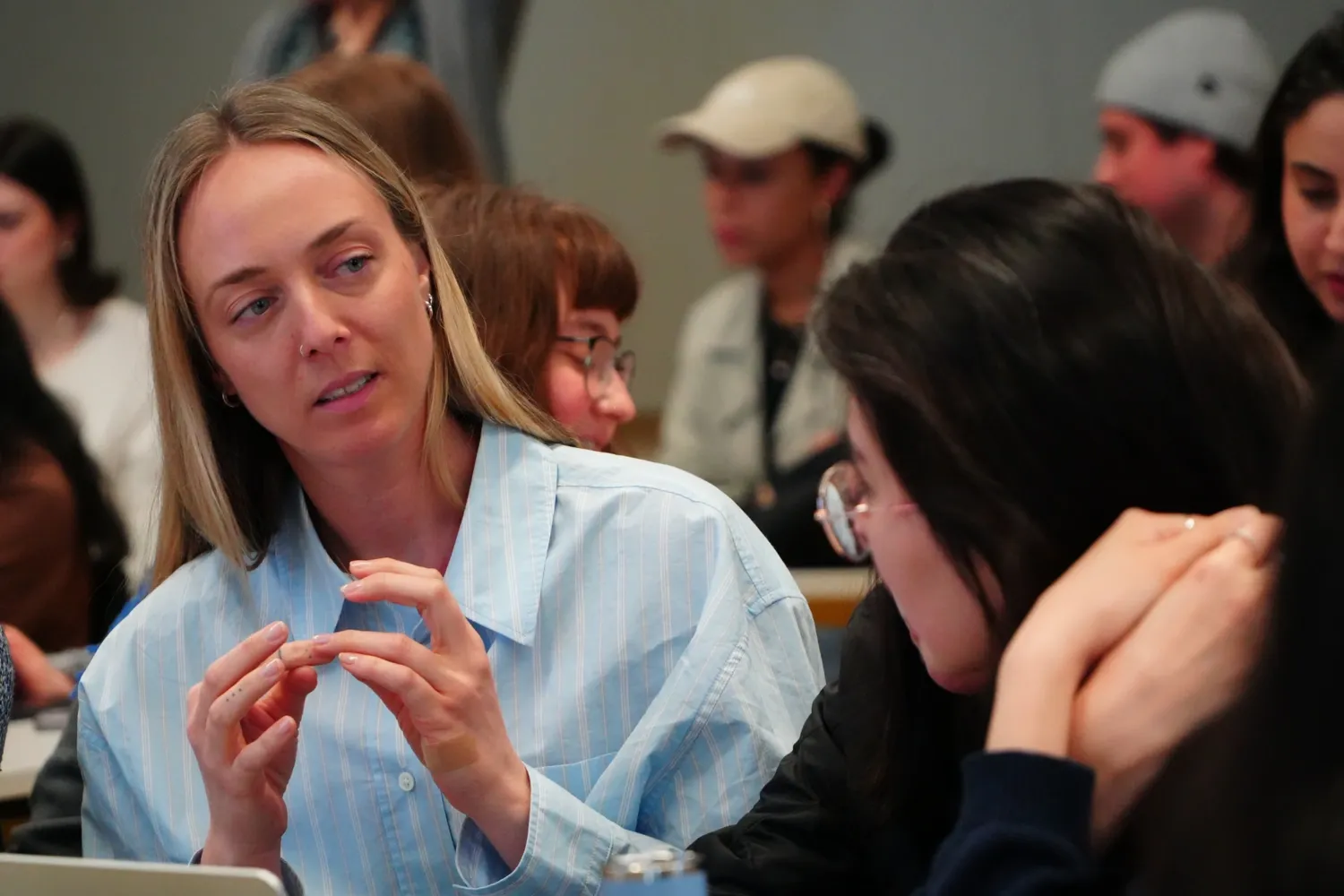
The course is part of the Master’s Programme in Global Health, which provides students with a strong foundation in both qualitative and quantitative research methods, health systems and policy, and sustainable development. Ethics is embedded throughout the programme, ensuring students understand the social and moral dimensions of global health.
By offering a module that brings together students and educators across continents, Karolinska Institutet and Makerere University demonstrate the potential of collaborative education to prepare future leaders in global health. The course’s success at the master’s level highlights the value of structured, interdisciplinary, and internationally connected learning environments.
A model for future collaboration
The first implementation of the “Glocal Classroom” in the master’s programme reflects the Centre of Excellence for Sustainable Health’s (CESH) mission to strengthen global health education through equitable international partnerships. By connecting students and faculty across borders, the course equips the next generation of global health professionals with the skills, knowledge, and perspective needed to address the world’s most pressing health and development challenges.
Film and text by Kseniya Hartvigsson
Course leadership
The course was coordinated by course director Nina Viberg, with contributions from a team of lecturers and experts across global public health and sustainability, including Anders Nordström, Tobias Alfvén, Anneka Knutsson, Pärham Riahi and Irene Wanyana (Makerere University, Uganda).