
Experience from working on missions in disasters and crisis abroad strengthens preparedness at home
The step from working on Gotland to working in Afghanistan may seem a long one, but for anaesthetist Dr Anders Mattsson, it could soon become a reality. If it happens, it will not be his first time working on missions abroad. It is a way of working that he feels facilitates a two-way exchange of expertise, a philosophy that is entirely in line with the Centre for Health Crises’ and, not least, the idea behind the course ‘Anesthesia and critical care with limited resources’.
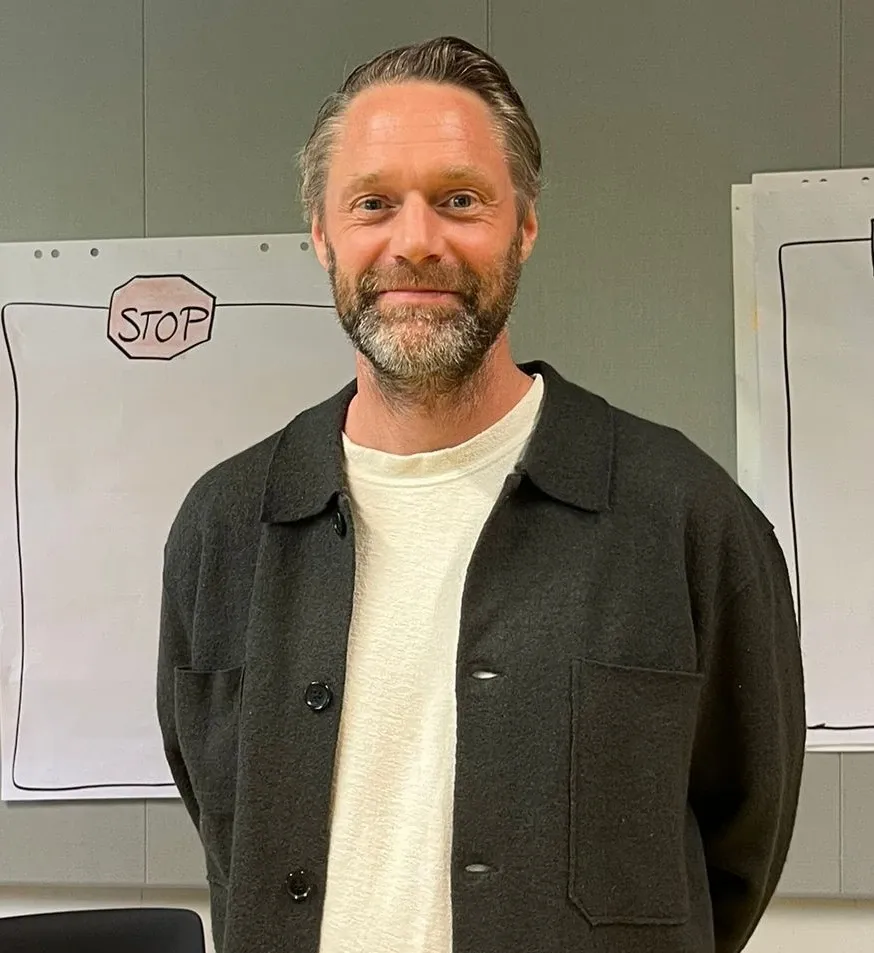
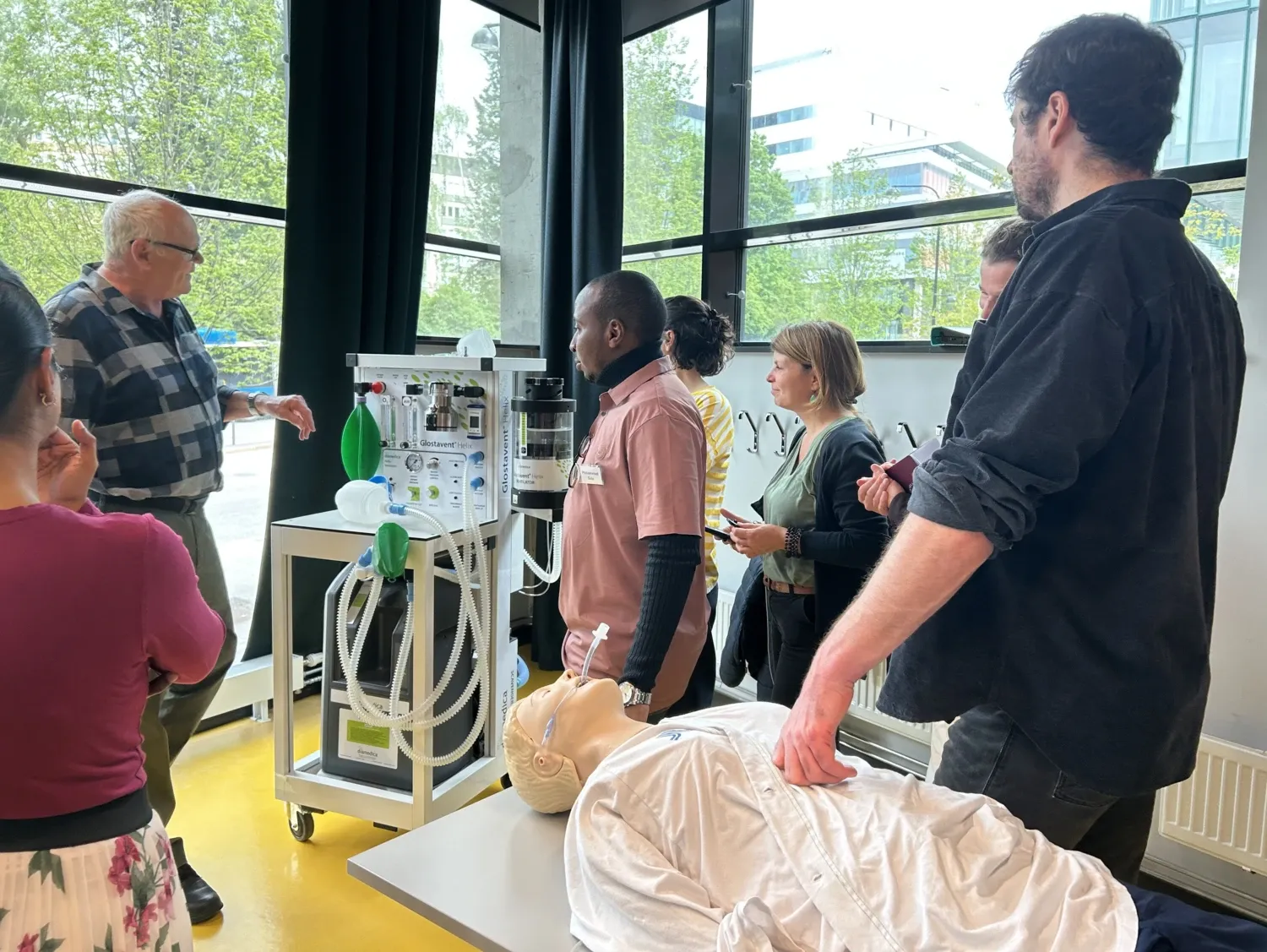
Anders Mattson is an anaesthetist at Visby Hospital. But the hospital in the walled city on the island in the Baltic Sea has not been his only place of work over the years. On the contrary, the list of countries and places where he has worked, on behalf of the World Health Organisation and others, is long, from Zambia and Kenya to Bangladesh. He might soon be heading to Afghanistan on a mission for Médecins Sans Frontières. That is why he, along with 19 other anaesthetists, intensive care doctors and nurses from all over the world, spent a week in May at Karolinska Institutet doing the course ‘Anesthesia and critical care with limited resources’. The course is part of KI’s executive education, developed by the Centre for Health Crises, in collaboration with Médecins Sans Frontières, and funded by the Kamprad Family Foundation.
– We are all experienced professionals, so it’s not about learning the exact milligram quantities of this or that, but rather about understanding the disease panorama in different parts of the world. And, not least, we have analysed ethical dilemmas you might face when working in disasters or in areas where resources are limited in general, like in poorer parts of the world or in places affected by wars and armed conflict. In this regard, the group discussions and peer-to-peer exchanges we have had on this course have been invaluable, says Anders.
We can do it differently
Anders thinks that the experience of working with limited resources and having to solve problems in new ways has given him both new knowledge and perspectives that he brings with him into his work in Sweden.
– For example, I was working on missions abroad during the COVID-19 pandemic, and the acute shortages that arose at that time taught me to use things other than those that would be the first-choice options in Sweden. It was a valuable experience to bring home with me, being able to stay calm and tell colleagues, “We can use this instead. We’ll manage, even though there’s a shortage of something.” In Sweden, we are sometimes incredibly rule-bound; we know what works best and we do what we always do, but in a crisis or disaster that might not be possible, and then we have to be able to do things differently, he explains.
He also thinks that the fact he works on Gotland, a region that in many ways is making a particular effort to adapt to a changing geopolitical context and the need for greater preparedness, is a factor.
– On Gotland, we are to some extent isolated. We cannot always transfer a patient to another, perhaps more specialised, hospital. We must be able to manage on our own to some extent, both in everyday life and in a crisis. And that’s where I draw on a great deal of the knowledge I’ve gained from my missions abroad in exercises and other preparedness work that we carry out in Visby, so that we are ready to situations we might find ourselves in, Anders concludes.
Experiences from missions abroad should be able to contribute to preparedness
Ensuring that experience gained from working in crises and disasters abroad contribute to Swedish preparedness – both at an individual level, as in Anders’ case, and at a more structural level – is an ongoing, long-term mission for the Centre for Health Crises. The cross-fertilisation of experiences and expertise that occurs when healthcare professionals from all over the world come together, as in the case of the ‘Anesthesia and critical care with limited resources’ course, is part of this.
The course has now finished, but is scheduled to be taught again next year. You can find out more about it, and other courses run by the centre as part of their Health Crisie Academy, on their website.