
KI researchers contribute to new WHO guidelines on dementia risk reduction

Professor Miia Kivipelto and other researchers at Karolinska Institutet have contributed to the development of the World Health Organization’s updated guidelines on reducing the risk of cognitive decline and dementia. The recommendations provide countries with an evidence-based framework for prevention and could help address risk factors associated with up to 45 per cent of dementia cases worldwide.
The World Health Organization (WHO) has released the second edition of its guidelines on risk reduction of cognitive decline and dementia. The document brings together the latest scientific evidence and provides recommendations for policymakers, healthcare providers and other stakeholders on how to prevent or delay dementia through a public health approach.
More than 57 million people worldwide are living with dementia, a number expected to rise sharply in the coming decades. In the absence of widely available curative treatments, prevention remains one of the most effective strategies for reducing the burden of the disease.
The WHO guidelines are based on the latest research, which shows that up to 45 per cent of dementia risk may be linked to modifiable factors, including physical inactivity, tobacco use, hypertension, diabetes, air pollution and social isolation.
Research review team at KI
Miia Kivipelto, professor of clinical geriatrics at Karolinska Institutet, has served as an expert member of the WHO’s Guideline Development Group, which drew up the guidelines.
In addition, an evidence review team based at Karolinska Institutet, led by Francesca Mangialasche, principal researcher at the Department of Neurobiology, Care Sciences and Society, has contributed to the work together with researchers from the University of Eastern Finland and the Finnish Institute for Health and Welfare (THL).
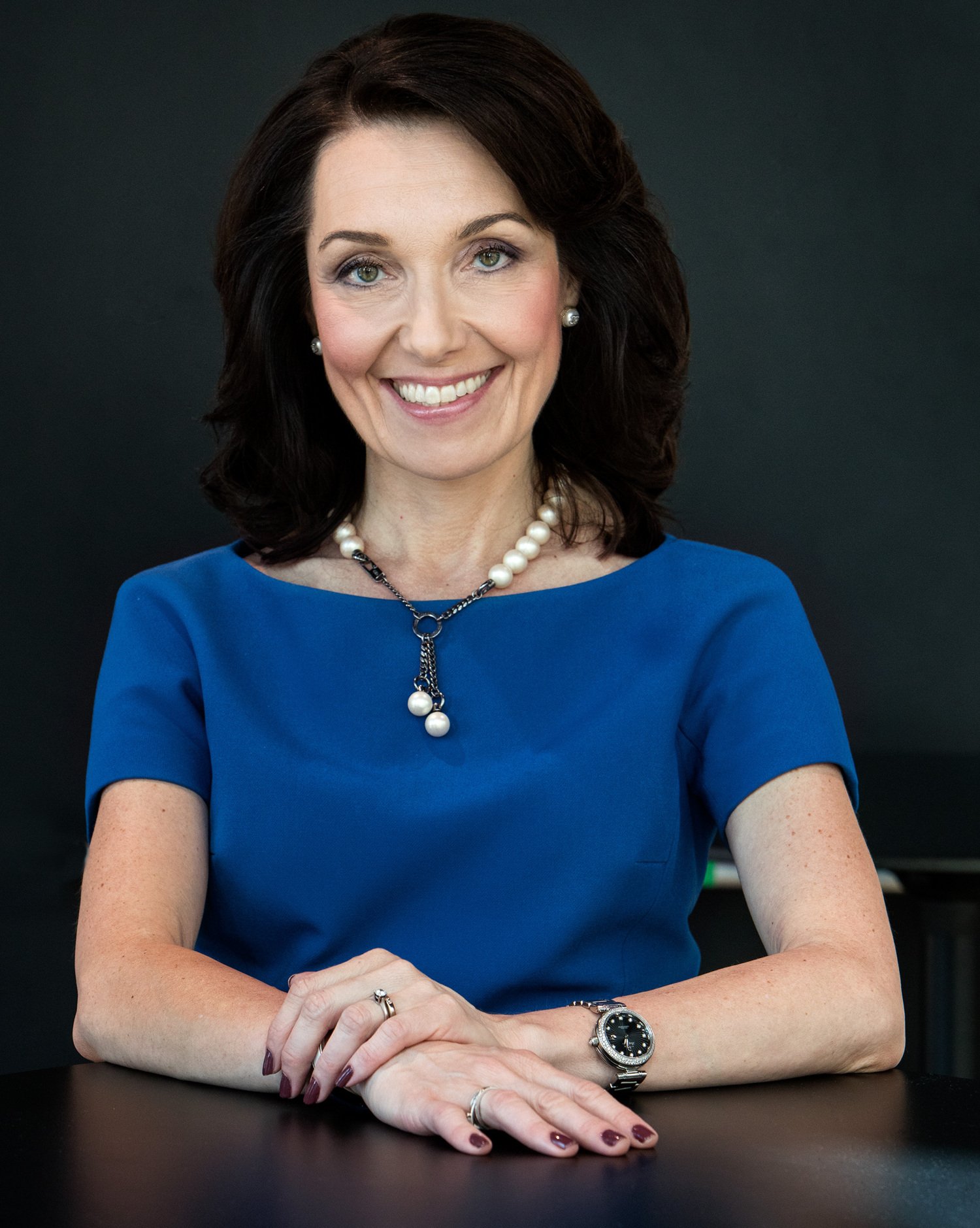
“The WHO guidelines provide an important evidence-based framework for healthcare providers and policymakers worldwide,” says Professor Miia Kivipelto, research group leader at the Department of Neurobiology, Care Sciences and Society, KI. “In Sweden, for instance, the national dementia strategy follows the WHO guidelines and emphasises healthy lifestyles and optimal cardiometabolic health as key approaches to reducing cognitive decline at population level.”
The updated guidance reflects the substantial growth in evidence since the first guidelines were published in 2019.
Among the new recommendations are reducing exposure to air pollution and implementing personalised multidomain interventions that address multiple risk factors simultaneously. Areas such as sleep, stroke, vision impairment, traumatic brain injury, and HIV have also been evaluated.
“The guidelines are based on rigorous scientific methodology and a global perspective. They are intended to support countries in translating research evidence into practical action and integrating dementia risk reduction into health policies, services and prevention programmes,” says Miia Kivipelto.
For healthcare providers, researchers and policymakers, the WHO guidelines offer an updated evidence base for turning prevention research into practical action.
The news article is based on an article from the FINGERS Brain Health Institute.