
Pedagogical achievements carried forward into the new Study Programme in Medicine
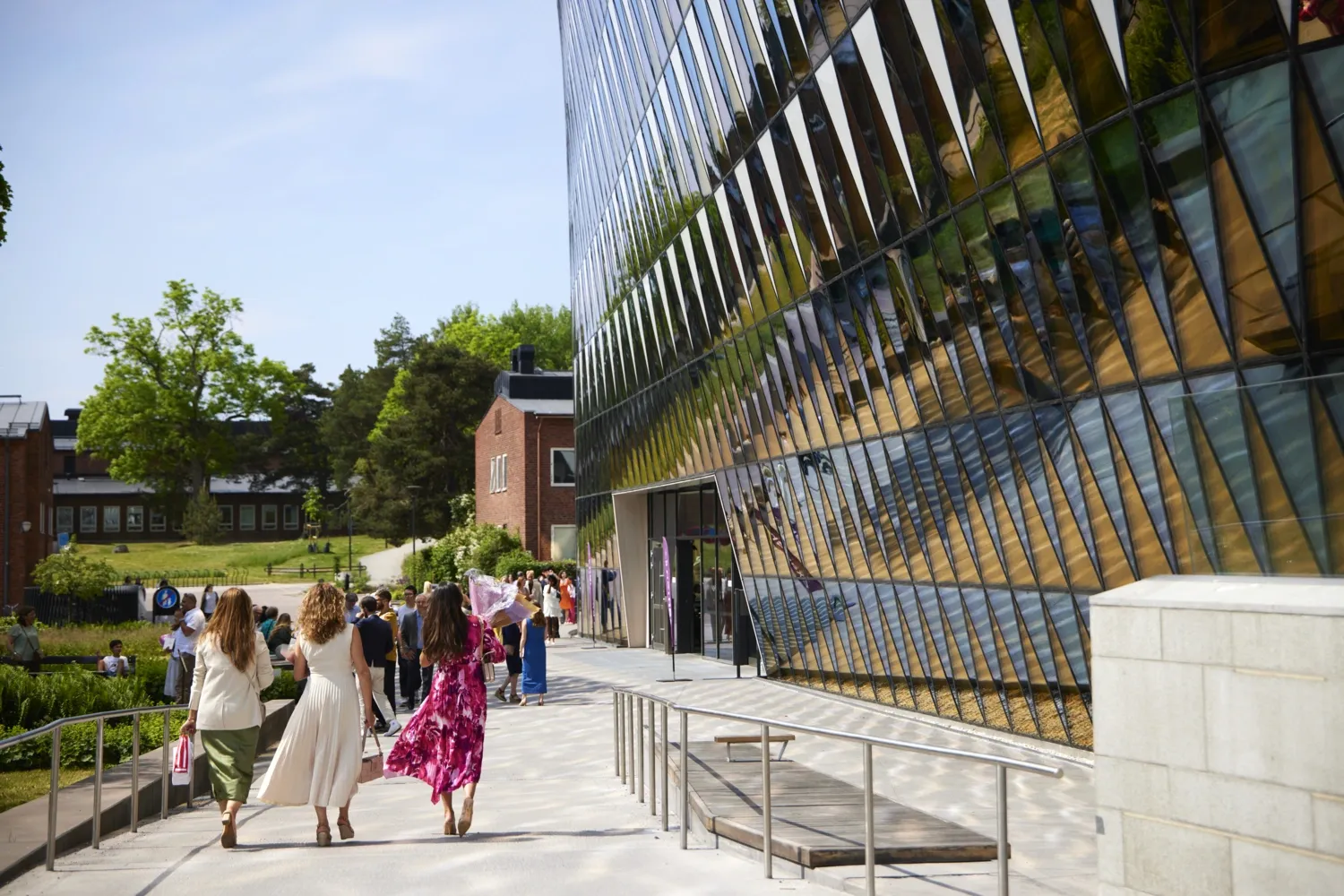
On 5 June, the last group of students graduated from the 5.5-year Study Programme in Medicine, which had been in place for half a century. However, many of the educational advances developed within the programme live on in the new 6-year Study Programme in Medicine, including the student-run teaching wards.
The Study Programme in Medicine at KI is being restructured to harmonise with medical training in other EU countries, a basis for an open labour market. The adaptation is taking place at all Swedish higher education institutions, but at different speeds.
"I want to emphasise that the programme is not ending because it was inadequate. On the contrary, it has been a successful model, not least in recruiting doctors across Sweden through the internship training programme," says Marie Dahlin, programme director of the Study Programme in Medicine.
The internship, AT, means that after graduation, doctors work under supervision for 18–21 months. A major difference between the two programmes, in addition to the extra term in the new one, is that students will be able to apply for their medical licence directly after graduation without completing AT.
"They will not be as experienced when they obtain their licence as those who completed the 5.5-year programme and AT, but they will have progressed further by the time they graduate. I see advantages in both programmes," she says.
Pedagogical successes live on
Marie Dahlin points out that the pedagogical advances made in the old programme can be reaped in the new one. One example is clinical training wards and clinics.
"There, students, doctors, nurses and physiotherapists work together in student units at hospitals," says Marie Dahlin.
Gunnar Nilsson, professor emeritus and specialist in general practice, was responsible for the primary care component and the subject of general practice when the medical programme was revamped in 2007.
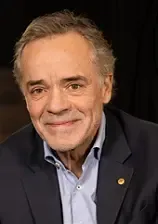
"The starting point was a requirement that all higher education programmes should include an independent project equivalent to one term, but the reform also brought important pedagogical development," he says.
They based the work on the SPICES model, which set out the foundations of a modern medical education, where the “c” stands for “community based”.
"It is unthinkable to have a medical degree that is not clearly rooted in primary care, but at that time it amounted to just one week of theory and two weeks at a health centre, three weeks in total. We then aimed for 1–2 weeks per term," he says.
Elective courses and clearer research links
Another element introduced then, and continued in the new programme, is elective courses.
"It became a real success story! Suddenly everyone in the classroom was highly interested, curious and full of questions," says Gunnar Nilsson.
The courses can cover anything from emergency medicine and global health to cardiac arrhythmias.
"If we have 20 students who have chosen a course on psychoses and we find teachers who have devoted their lives to the subject, who have researched it and are passionate about teaching. Then it clicks – it creates real pedagogical momentum."
Another guiding principle was that the programme should have a clearer research foundation.
"We achieved that largely through the degree project, which gives students a grounding in research methodology and embeds those skills," he says.
Assessment of clinical skills introduced
A new feature of the licence-qualifying programme is “Entrustable Professional Activities”, EPA. This means training for and being assessed on performing specific professional activities.
"We and the students need to be able to show, for example, that they can use an otoscope to examine ears, conduct conversations about lifestyle habits or connect an ECG", says Gunnar Nilsson.
He believes that the new programme is needed.
"In Sweden it takes a long time to obtain a licence and specialist competence compared with many countries in Europe. The new programme shortens that time, and this is now well established both in the region and at KI," he says.
“A new blossom will now emerge”
So after half a century, the old programme is now being replaced by a new one.
"Medical programmes must be developed continuously and systematically. The development work we have done is an important foundation for the new programme, benefiting both the students and KI as an educational institution", says Gunnar Nilsson.
The closure of the programme stirs emotions in Marie Dahlin.
"I think it feels ceremonial, lovely and a little wistful. We are now creating a new and strong programme based on new circumstances. An era is ending – it has been beautiful, but now a new blossom will emerge."
A ceremonial gathering for those engaged in the programme
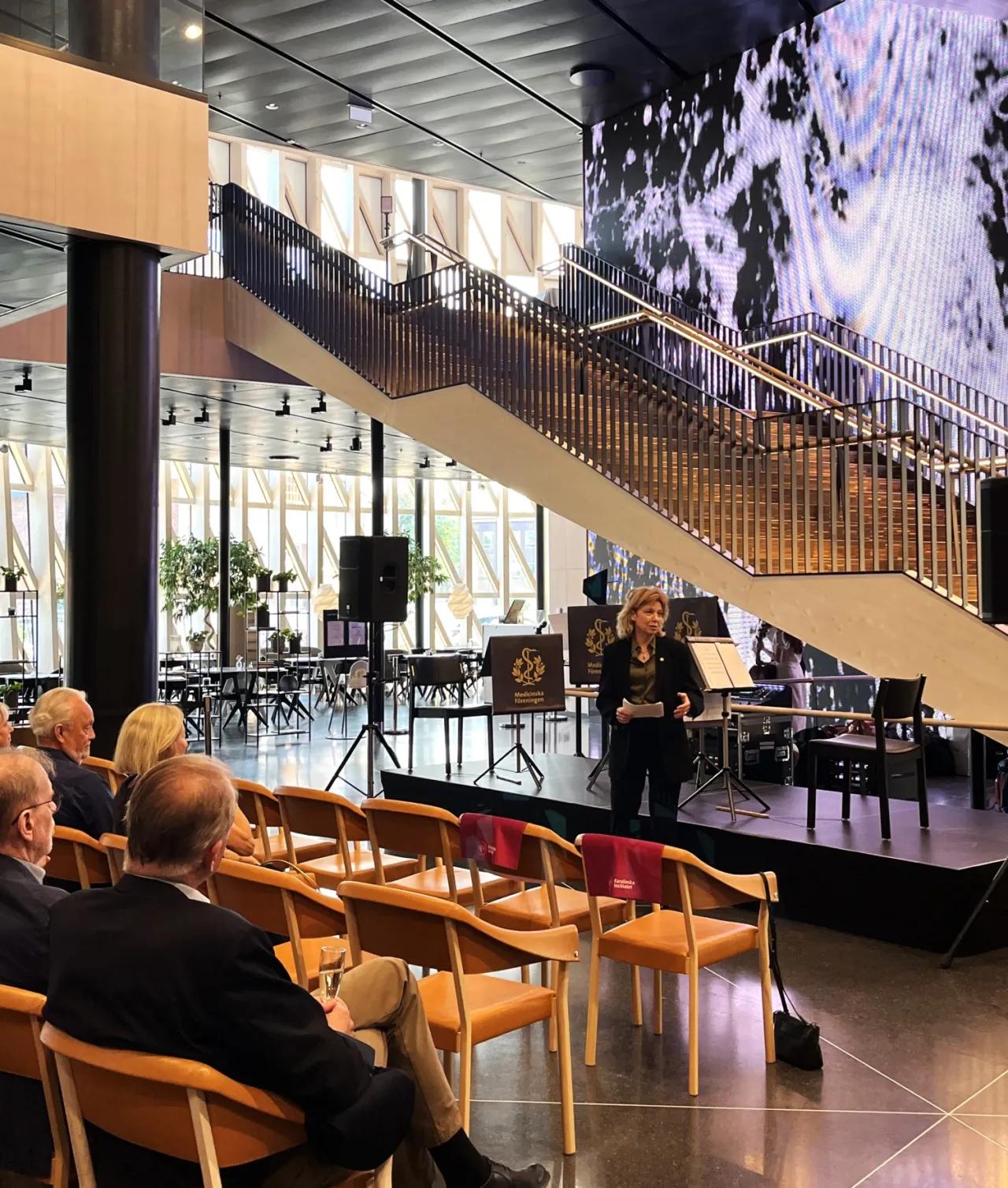
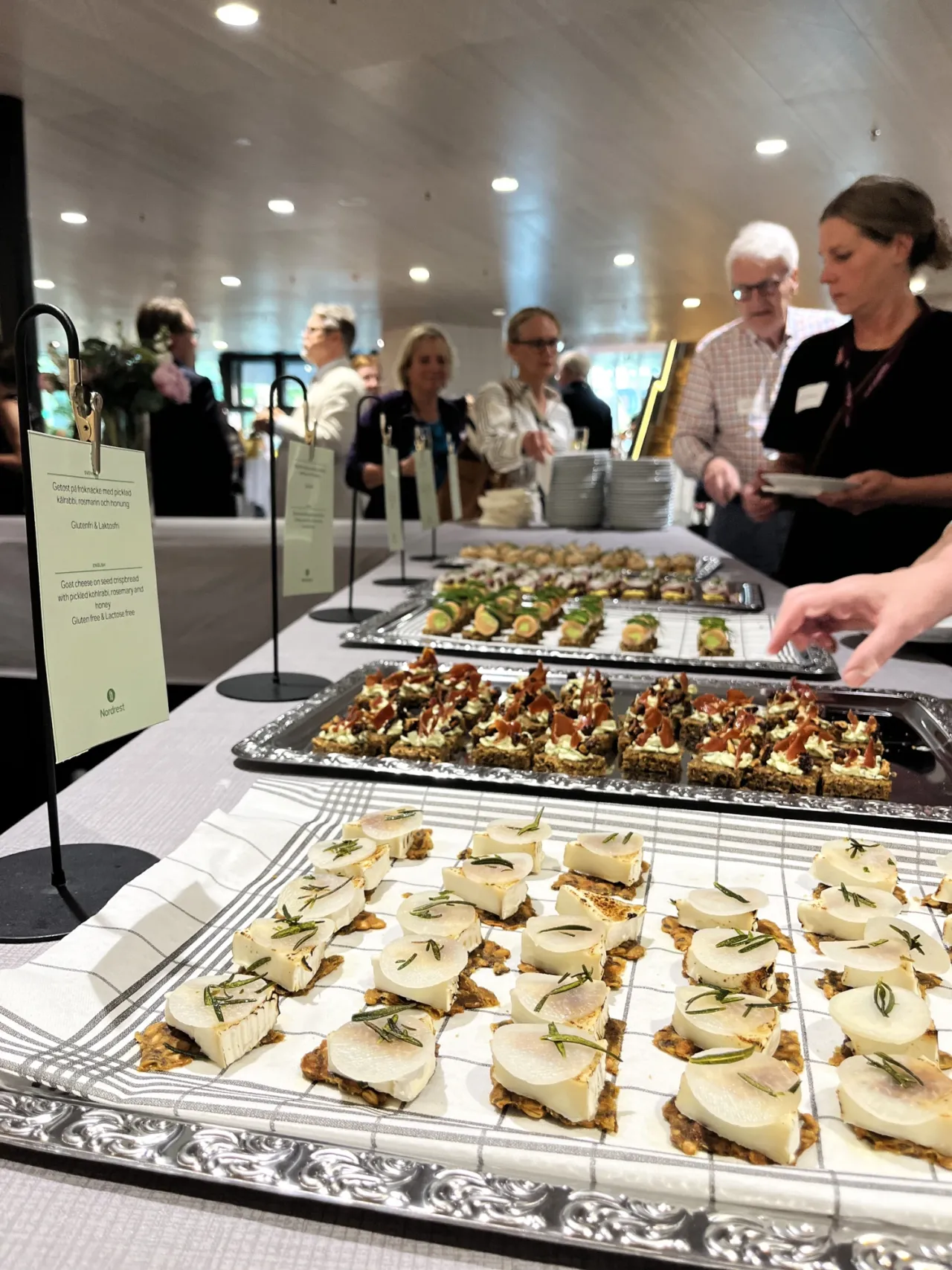
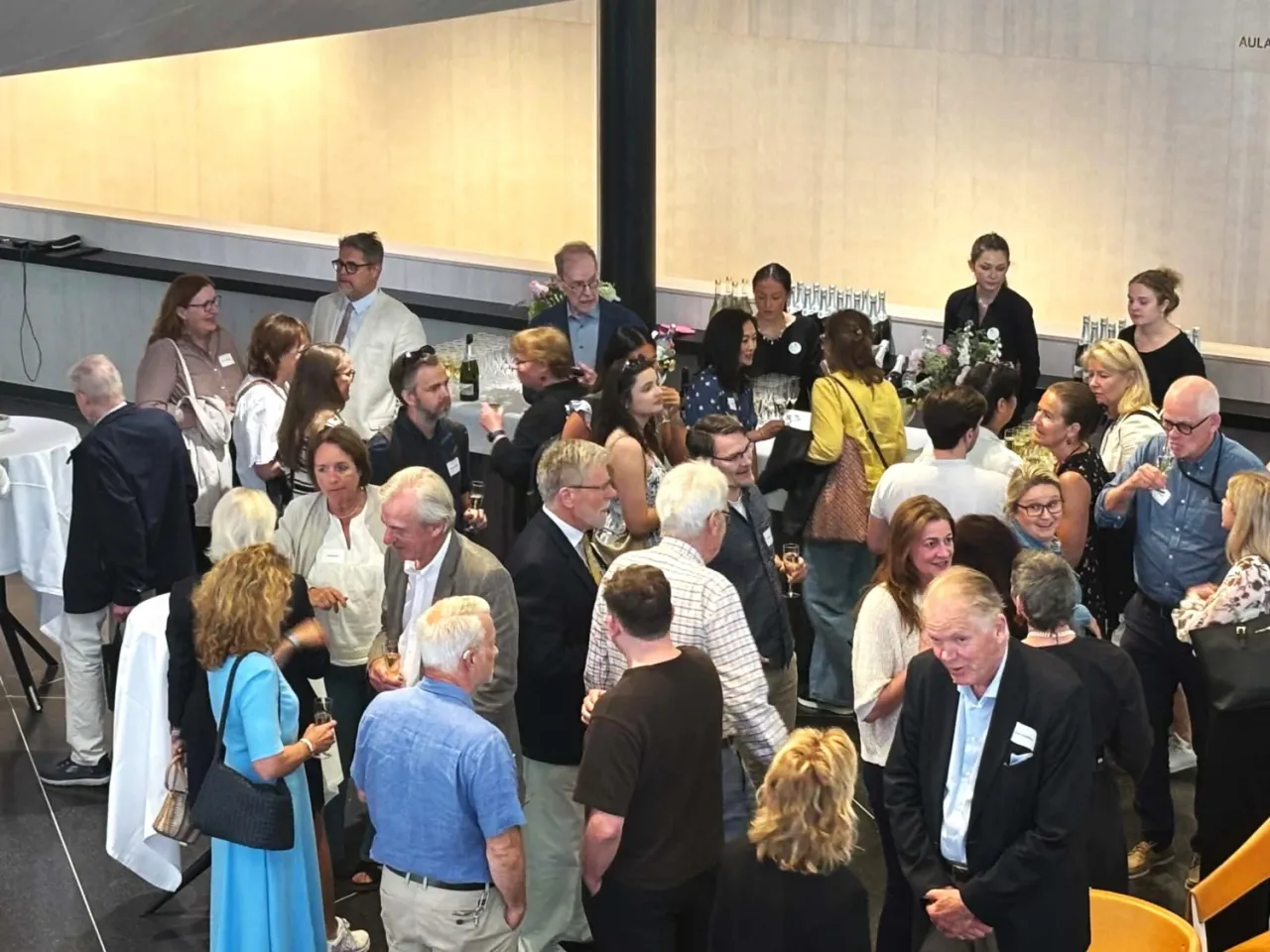
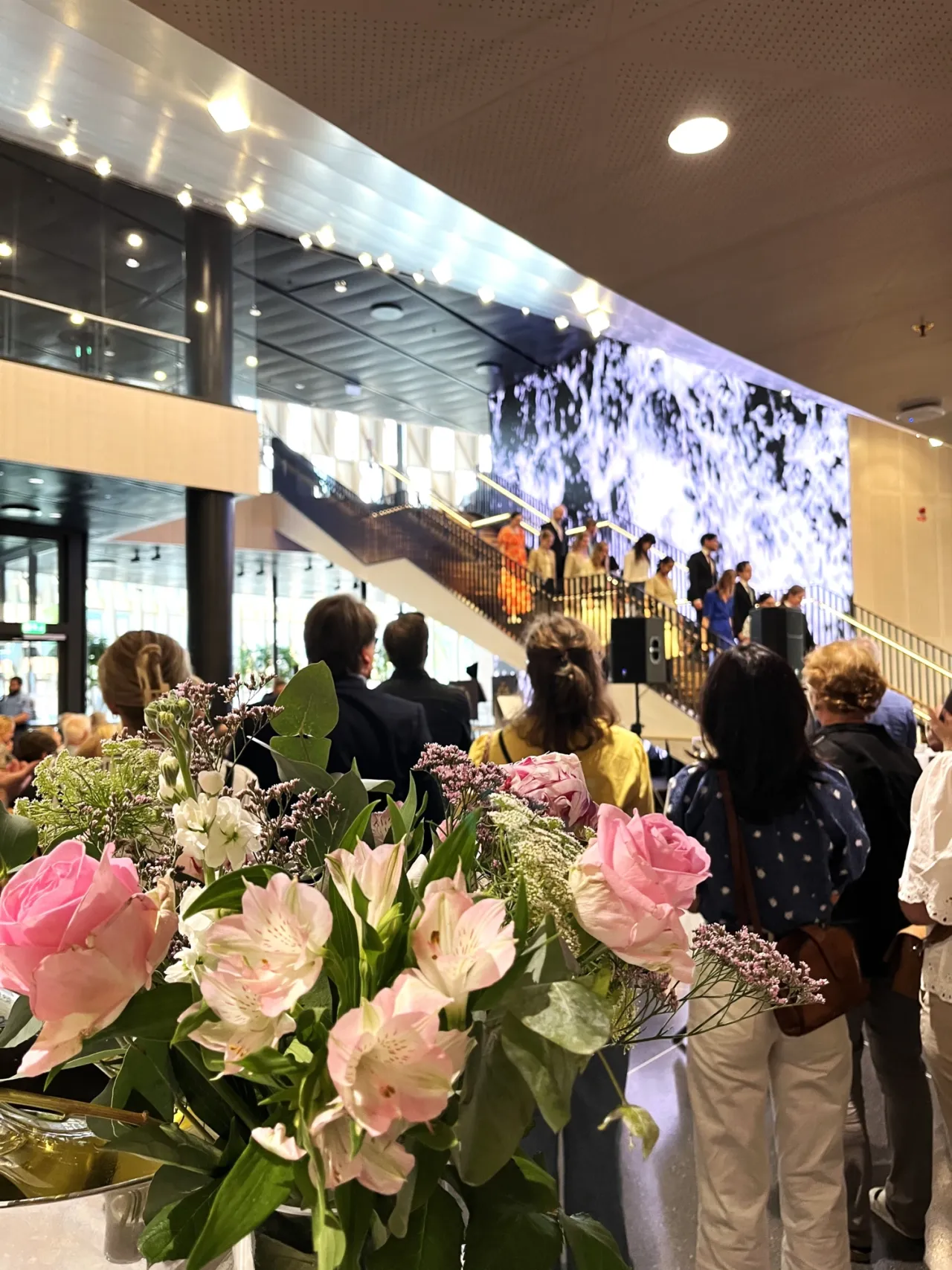
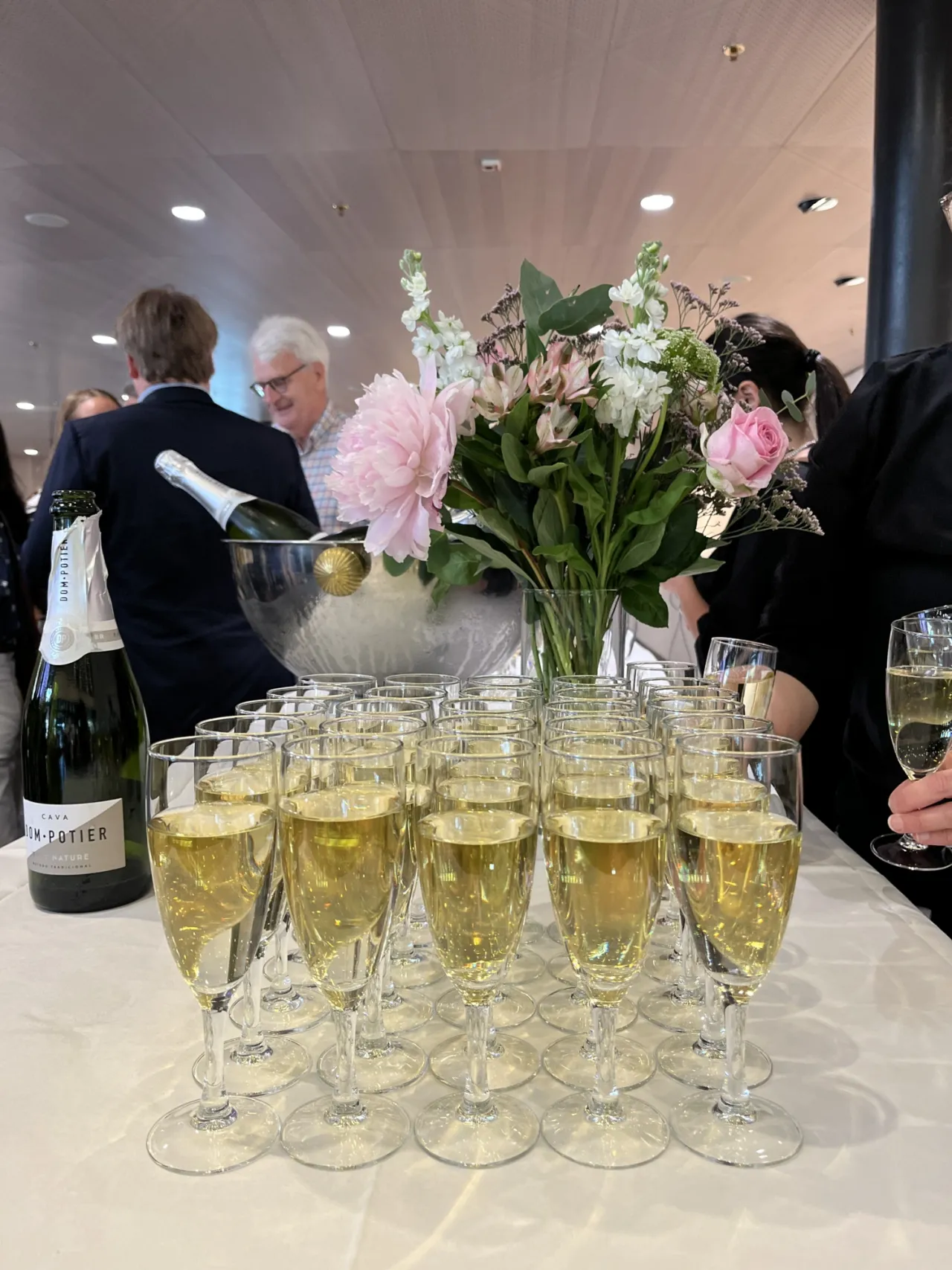
In early June, nearly 100 people gathered to commemorate the 5.5‑year programme in medicine, where those who had worked with and been involved in the programme were invited to a reception in Aula Medica.
Text: Lotta Fredholm
Pictures from the celebration of the programme in medicine
Summary of the changes to the Study Programme in Medicine
- The reason for the restructuring of medical education is a government decision to align it with EU regulations, ensuring that medical degrees are equivalent within the EU and EEA and thereby safeguarding an open labour market.
- The old programme: 11 terms, followed by an 18–21‑month internship, AT. You can then apply for registration with the National Board of Health and Welfare. After that, you may undertake a five‑year specialisation if you wish. 2029 is the last year in which you can graduate under this programme.
- The new programme: 12 terms, followed by an application for registration. After that comes foundation training, BT, lasting 6–12 months. It is only mandatory if you choose to specialise, which takes five and a half years.
- Under the new programme, doctors become both registered and qualified specialists more quickly than before. The education is team‑based, and students are assessed during their studies on their ability to independently carry out specific professional activities.
The Study Programme in Medicine at KI by year
- In 1813, KI began providing medical education.
- From 1861 to 1977, medical education was the same across the country; thereafter, universities developed slightly different profiles. The programme concluded with nine months of clinical practice, “the free clinical stage”.
- In 1969, the Swedish Parliament decided on 21 months of general training, AT, to ensure that all licensed doctors received equivalent practical experience. The medical programme was shortened from six to five and a half years.
- In 1994, Sweden joined the EU and the long AT period stood out.
- In 2007, the final reform of the 5.5‑year medical programme was carried out and adapted to the EU and the Bologna Declaration, which required an independent project equivalent to one term. The programme was restructured according to the SPICES model.
- In 2013, a proposal for a six‑year medical programme leading to a licence was presented.
- In the autumn term of 2021, the new programme started at KI.
- In the spring term of 2027, the first cohort will graduate from the new medical programme.
- The autumn term of 2029 is the last opportunity to graduate under the old medical programme.