

New thesis paves the way for new treatments for lung diseases
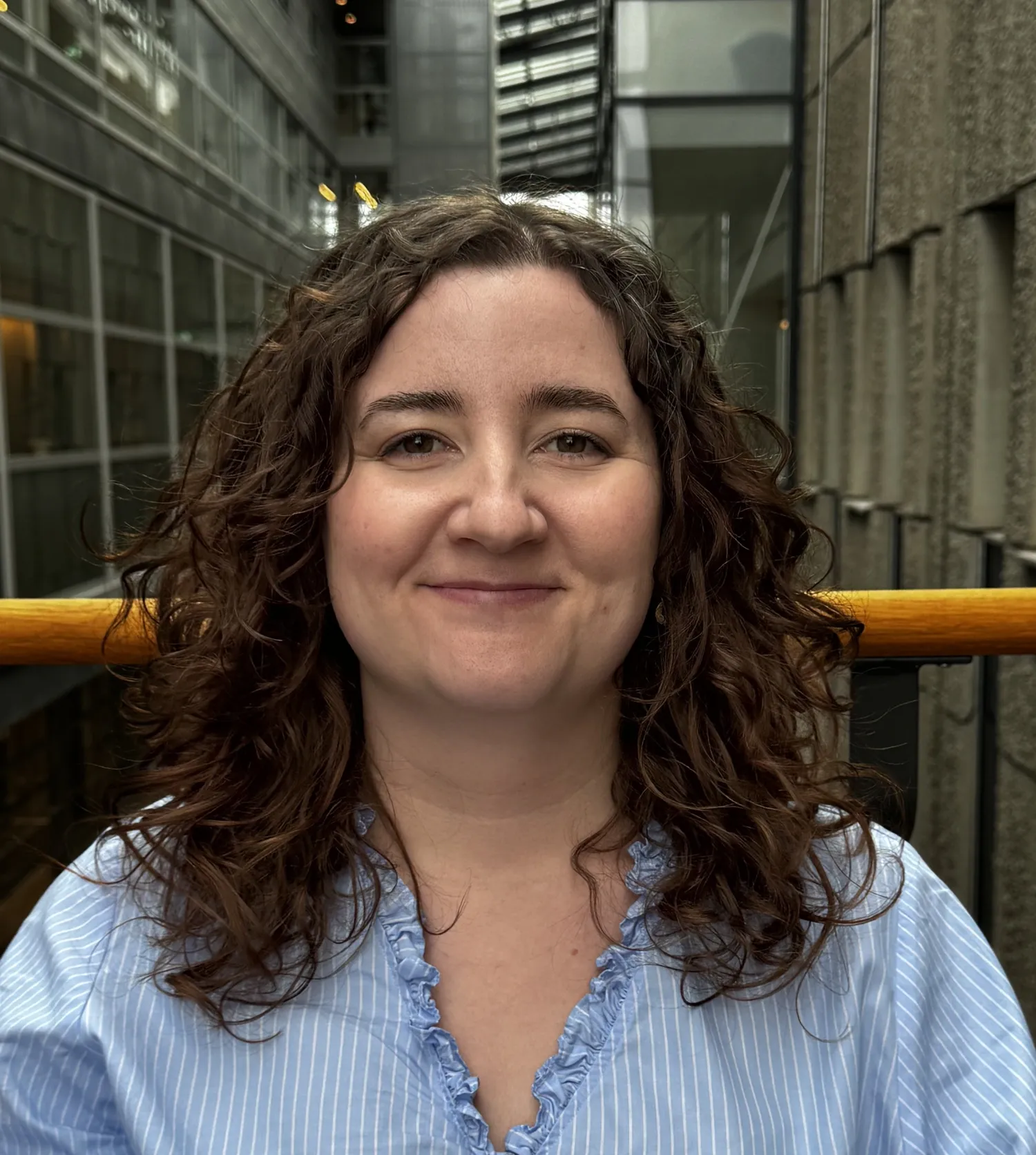
Laura Bub from the Center for Infectious Medicine (CIM), at the Department of Medicine, Huddinge (MedH), defends her thesis titled "Regulation of lung macrophage differentiation and function by cholesterol metabolites", on 29 April 2026. Main supervisor is Tim Willinger.
What is the main focus of your thesis?
The most abundant immune cells in the lung are macrophages. Two principal macrophage types found in the lung are alveolar macrophages and interstitial macrophages. Alveolar macrophages, found in the airways, protect you from inhaled threats while also keeping the airways clean. Interstitial macrophages are found in the lung tissue and act as a second line of defense. Due to aging and injury, macrophages you are born with slowly get replaced by new macrophages derived from monocytes, cells found circulating through the blood.
These monocyte-derived macrophages are associated with lung injury and disease. However, what orchestrates the differentiation of infiltrating monocytes-to-macrophages in the inflamed lung is still poorly understood.
Since the lung is a cholesterol-rich environment and macrophages can sense metabolic changes, the main focus of my thesis was to investigate how such tissue-derived metabolic signals, more specifically cholesterol metabolites (oxysterols), regulate monocyte-to-macrophage differentiation through the oxysterol-GPR183 pathway in the lung. More specifically, GPR183 is a receptor which senses the presence of cholesterol metabolites.
Which are the most important results?
The results of this thesis demonstrate that oxysterols and their receptor GPR183 promote lung macrophage differentiation from monocytes. This was shown in three separate mouse models. Moreover, fibroblasts, a structural cell found in the lung, were identified as the likely source of oxysterols.
How can this new knowledge contribute to the improvement of people’s health?
Better understanding macrophage differentiation within the lung allows for the discovery of novel treatments for lung disease. GPR183 is a G protein-coupled receptor which is a family of membrane-bound receptors known to be good drug targets. Therefore, targeting this receptor could potentially aid in reprogramming lung macrophages to alleviate lung disease.
What are your future ambitions?
In the future, I hope to apply the skills I have learnt and refined during my PhD and apply them to new opportunities and challenges within science. I am keen to continue contributing to the field of immunology.
Dissertation
Wednesday 29 April, at 12:30, Erna Möller hall in Neo, Flemingsberg.
Thesis
Regulation of lung macrophage differentiation and function by cholesterol metabolites