
Gut bacteria linked to levels of latent HIV
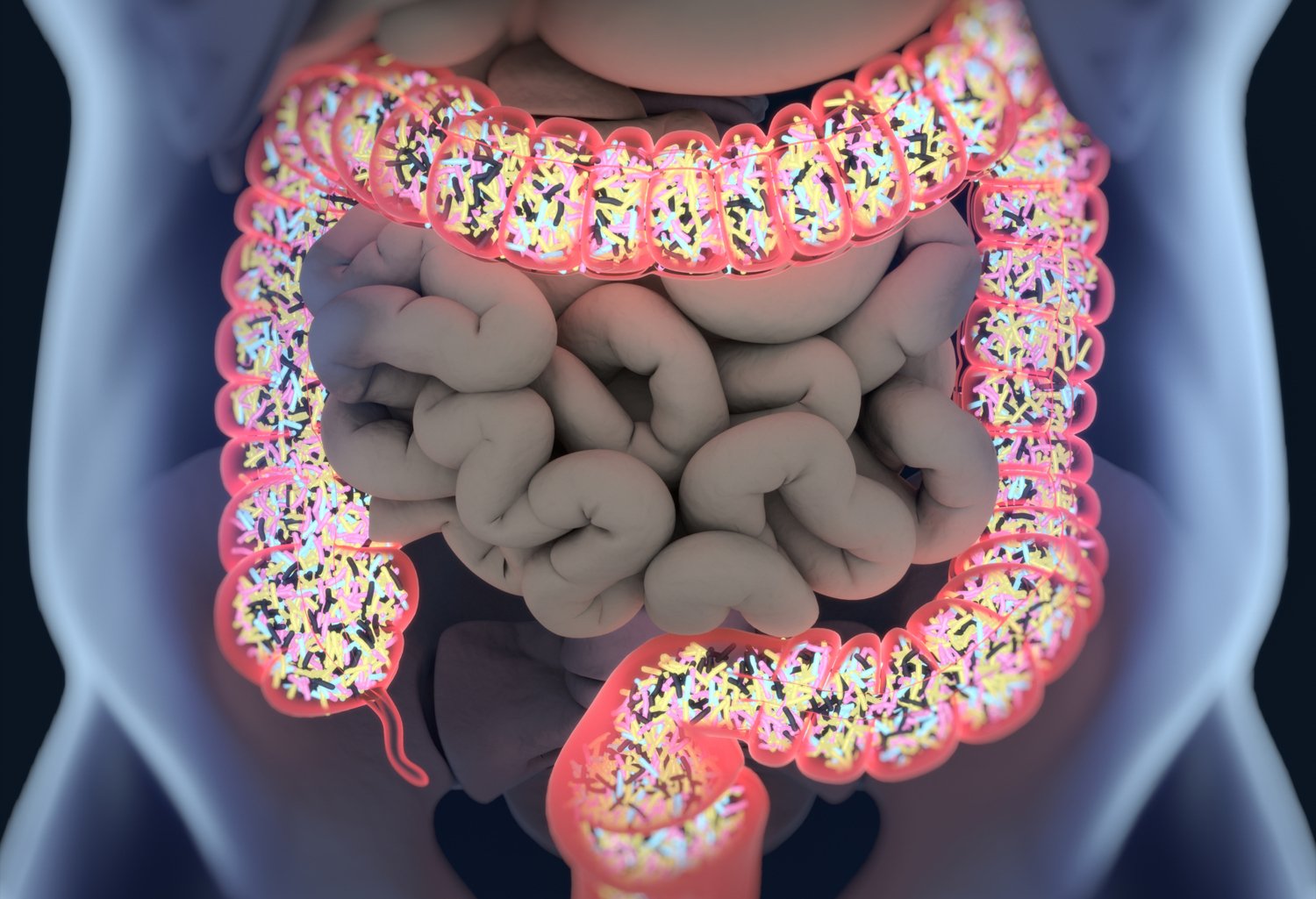
The composition of gut bacteria appears to be associated with how much latent HIV remains in the blood of people receiving antiretroviral therapy. This is shown in a new study from Karolinska Institutet, published in Gut Pathogens. The findings offer clues as to how the gut microbiome may influence the amount of virus that persists in the body.
Despite effective antiretroviral treatment, HIV remains in the body in a dormant form, known as the viral reservoir. This reservoir is the main reason HIV cannot currently be cured. In the present study, researchers at Karolinska Institutet investigated whether the gut microbiota – the bacteria living in the gut – might be linked to the size of this reservoir.
The study included 30 people living with HIV who had been on long-term antiretroviral treatment. The researchers analysed blood samples to measure levels of intact HIV DNA and combined these data with detailed profiling of the participants’ gut microbiota using whole-metagenomic sequencing. The results show that certain bacterial species and metabolic processes in the gut differed between individuals with larger and smaller HIV reservoirs.

“We observed that specific patterns in the gut microbiota were associated with differences in the size of the HIV reservoir. This suggests that interactions between the body and the microbiome may influence how much virus remains in a dormant state,” says Oscar Kieri, doctoral student at the Department of Medicine, Huddinge.
Opening new avenues for HIV research
Several bacterial species were linked to a smaller reservoir, including Faecalibacterium prausnitzii and Lachnospira sp000437735. Other species, such as Prevotella copri, which is often associated with inflammation, were more common in individuals with a larger reservoir.
The study also showed that certain metabolic processes were more active in the gut microbiota of people with higher levels of latent virus, including processes related to the breakdown of sugars and the formation of specific amino acids.
The findings open new avenues for research into HIV cure strategies. By influencing the gut microbiota – for example through diet, probiotics or targeted therapies – it may be possible to affect the viral reservoir.
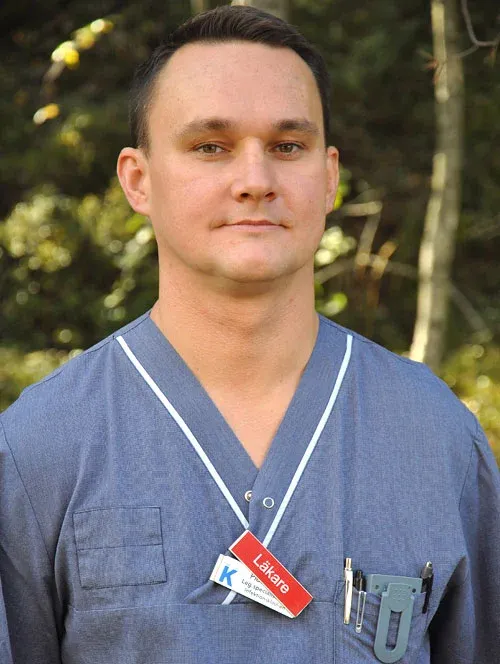
“Our findings point to a potential biological link between the microbiome and the HIV reservoir, but the study cannot establish cause and effect. Larger and longer-term studies are needed to understand whether the microbiome can truly influence how much virus persists,” says Piotr Nowak, research group leader at the Department of Medicine, Huddinge.
The researchers note the study’s limited size as a limitation, as well as the fact that reservoir analyses were carried out on blood even though much of the HIV reservoir is found in lymphoid tissue.
The study was conducted in collaboration with researchers and clinicians at Karolinska Institutet and Karolinska University Hospital. It was funded by, among others, Region Stockholm, the Swedish Research Council, and the Swedish Physicians Against AIDS Research Fund. The researchers report no conflicts of interest.
Publication
"Linking gut microbiome to HIV-1 reservoir size in people living with HIV", Kieri O, Narayanan A, Jütte BB, Svensson P, Aleman S, Sönnerborg A, Ray S, Nowak P, Gut Pathogens, online 30 March, 2026, doi: 10.1186/s13099-026-00828-2