
New thesis on how breast cancer adapts to treatment
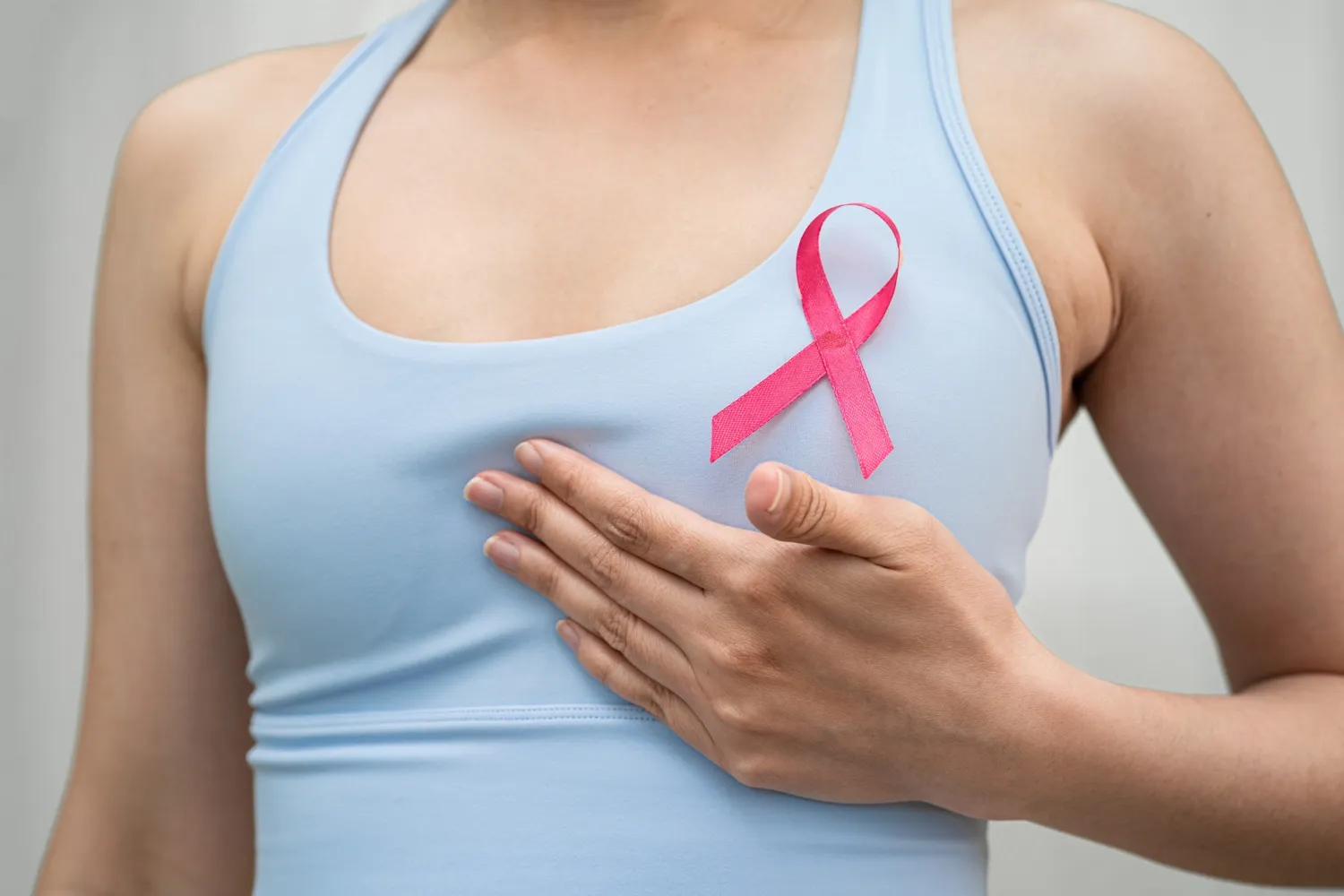
Breast cancer ecotypes represent unique combinations of three key factors: the internal states of tumor cells, the local tumor microenvironment, and the overall immune response. Together, these elements reflects the complex interaction between the patient, the tumor, and the treatment. This thesis investigates how tumors change during pre-surgery therapy, known as neoadjuvant systemic therapy (NAT).
We asked Kang Wang, doctoral student at the Department of Oncology-Pathology to tell us what his thesis is about.
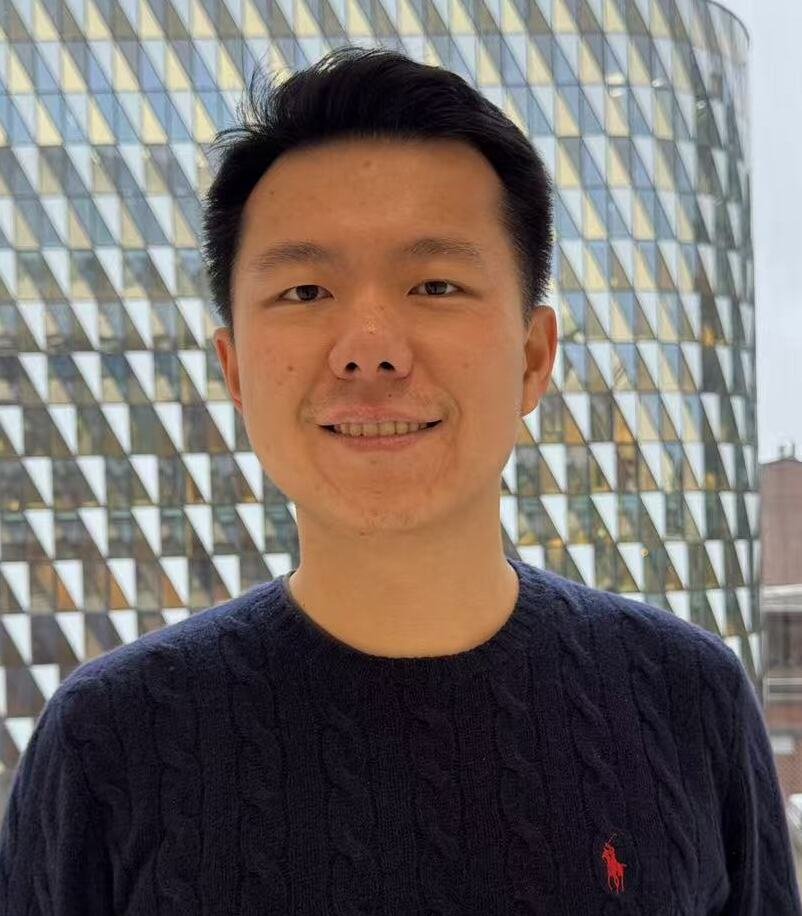
"The primary focus of my thesis is to understand why some breast cancers respond well to treatment while others develop resistance, by studying the tumor’s genetic and protein makeup, its surrounding environment, and the patient’s immune system."
"Using advanced multi-omics analyses (including genomics, transcriptomics and proteomics) on tumor tissue and blood samples from two NAT clinical trials, I have tried to uncover the biological mechanisms behind treatment success and failure, paving the way for more personalized therapies."
Which are the most important results?
- Immunometabolism in breast cancer: Tumors that evade the immune system, so called “cold” tumors, often have hyperactive metabolism. Blocking certain metabolic enzymes can make these “cold” tumors visible to immune cells and easier to attack.
- A simple blood test: An increase in the enzyme activity of thymidine kinase 1 (TK1) during chemotherapy is a strong predictor for better long-term survival.
- HER2-positive breast cancer: We identified distinct biomarkers that predict how patients respond to different HER2-targeted treatments. T-DM1 effectiveness depends on drug uptake and intracellular transport, while dual HER2 blockade is driven by HER2 protein levels and related genetic signals. Resistance to T-DM1 appears linked to genomic instability and a microenvironment rich in type II immunity, particularly mast cell infiltration.
- Immune dynamics during NAT: An increase in plasma IL-33 during treatment correlates with more tumor-infiltrating lymphocytes (TILs) and a higher chance of complete response (pCR). We also developed a new classification of the tumor’s micro- and macroenvironment (TMME) using tissue transcriptomics and plasma proteomics, defining three prognostic groups: immune-excluded, immune-quiet, and immune-infiltrated.
How can this new knowledge contribute to the improvement of people's health?
"These findings bring breast cancer care closer to precision medicine. They can help doctors choose the therapy most likely to work for each patient, enable real-time monitoring through blood tests to track treatment response and adjust strategies early, and inspire new combination therapies, such as pairing metabolic inhibitors with immunotherapy to turn resistant tumors into ones the immune system can attack."
What are your future ambitions?
"The next steps include mapping tumor evolution using new spatial techniques to see how cancer cells change and interact inside tissue, understanding whether treatment failure comes from hidden resistant cells or new adaptations, and developing personalized vaccines to eliminate remaining cancer cells after NAT and prevent relapse."
Doctoral thesis
“Delineating the molecular landscape of breast cancer and response to neoadjuvant systemic treatment”
Dissertation
Friday January 23, 2026 at 9:00 in A4:04, Jan Lindsten, Karolinska University Hospital, Solna