
KI´s Sustainability Day 2026: The importance of food for health and the environment
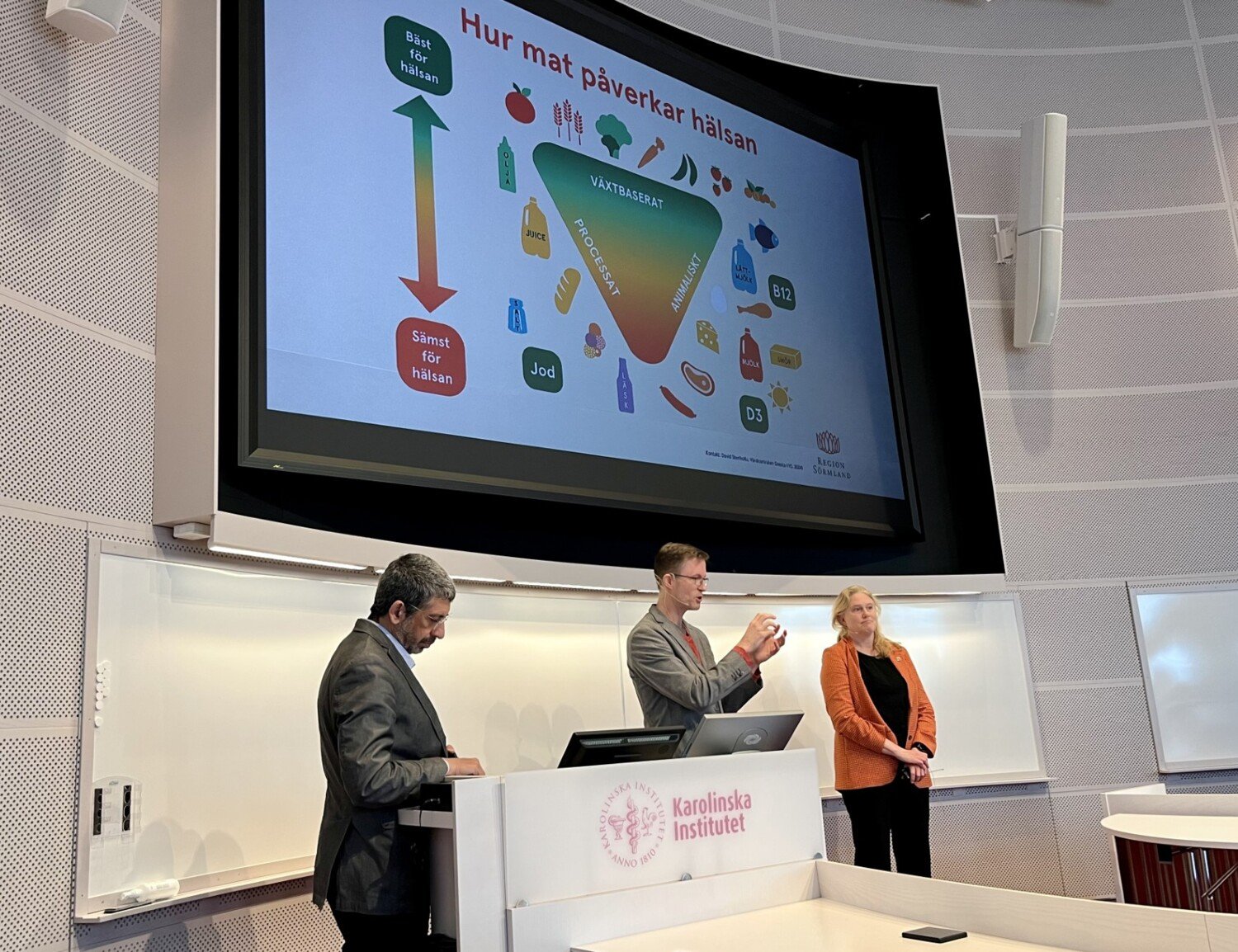
KI’s Sustainability Day took place on 16 April at the Flemingsberg campus. The morning programme included lectures, discussions, and the presentation of KI’s Sustainability Award and the award for the student poster exhibition. The theme of the day was “From plate to planet: how food shapes our health”.
This year’s Sustainability Day was opened by Shervin Shahnavaz, Vice Chair of the Council for Environment and Sustainable Development, who welcomed participants to an inspiring and engaging morning. In line with the theme, refreshments and meals were served according to the One Planet Plate, a meal-planning tool developed by WWF that illustrates how meals can be designed to reduce climate impact and contribute to increased biodiversity.
The morning continued with a presentation by Line Gordon from the Stockholm Resilience Centre, who introduced the work of the EAT–Lancet Commission on how global food systems affect both human health and the environment. She described the so-called planetary health diet, a plate model for healthy and sustainable eating habits that emphasises dietary diversity and a higher proportion of plant-based foods. Gordon presented the Commission’s calculations showing that a global dietary transition could result in significant benefits for human health, the climate, and biodiversity. At the same time, she highlighted the equity perspective and emphasised that almost three billion people today lack the opportunity to eat a healthy diet.
This was followed by a lecture by David Stenholtz, founder of Doctors for the Future and author of the book The power of food. He described how diet can be used as a tool within healthcare, both in preventive work and as part of treatment for certain medical conditions. Drawing on research and clinical experience, he explained how a plant-based diet can be significant in conditions such as type 2 diabetes and cardiovascular diseases. Stenholtz emphasised that the focus should be on what we eat rather than how little, and also highlighted the healthcare sector’s responsibility to inform patients about evidence-based dietary treatments.
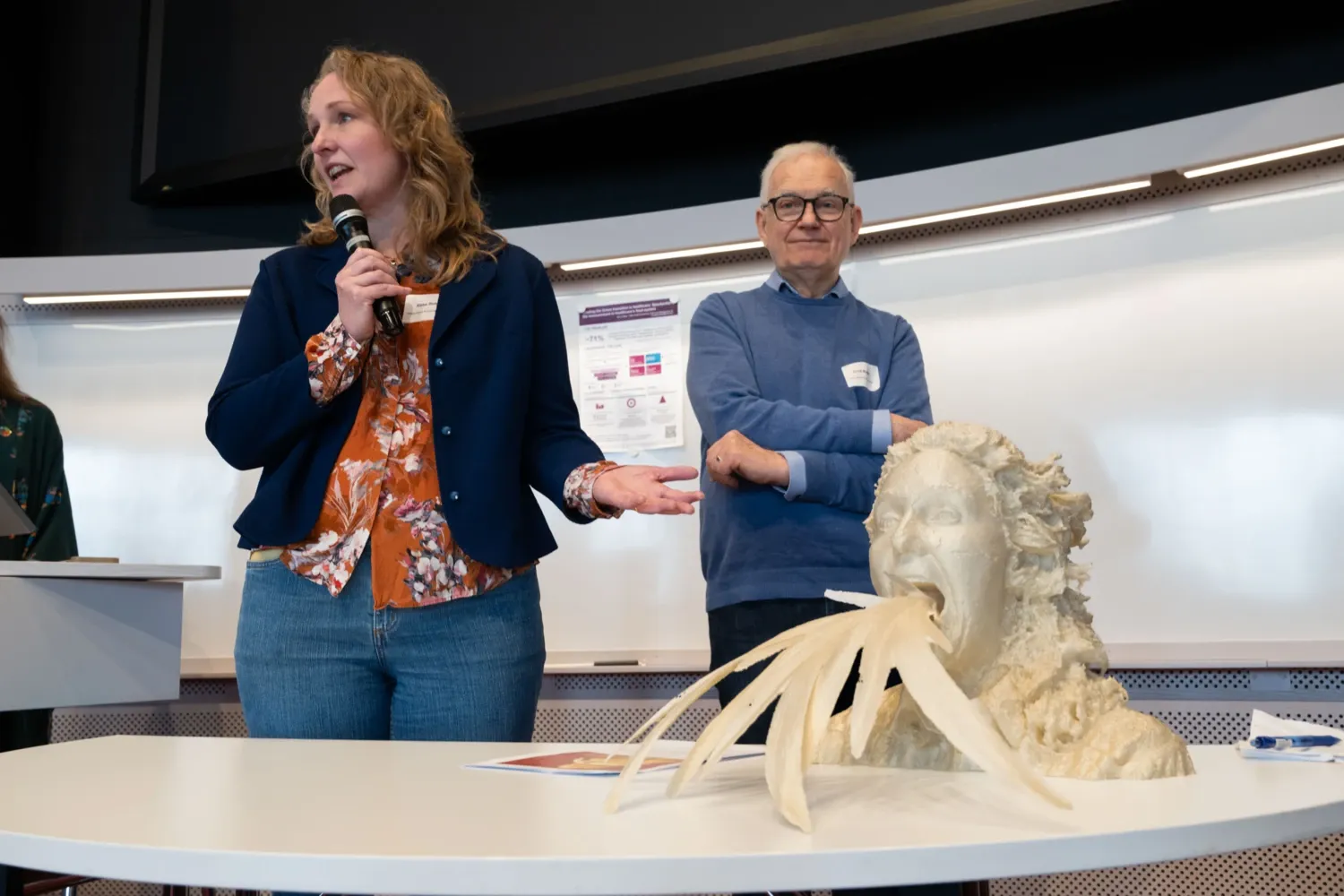
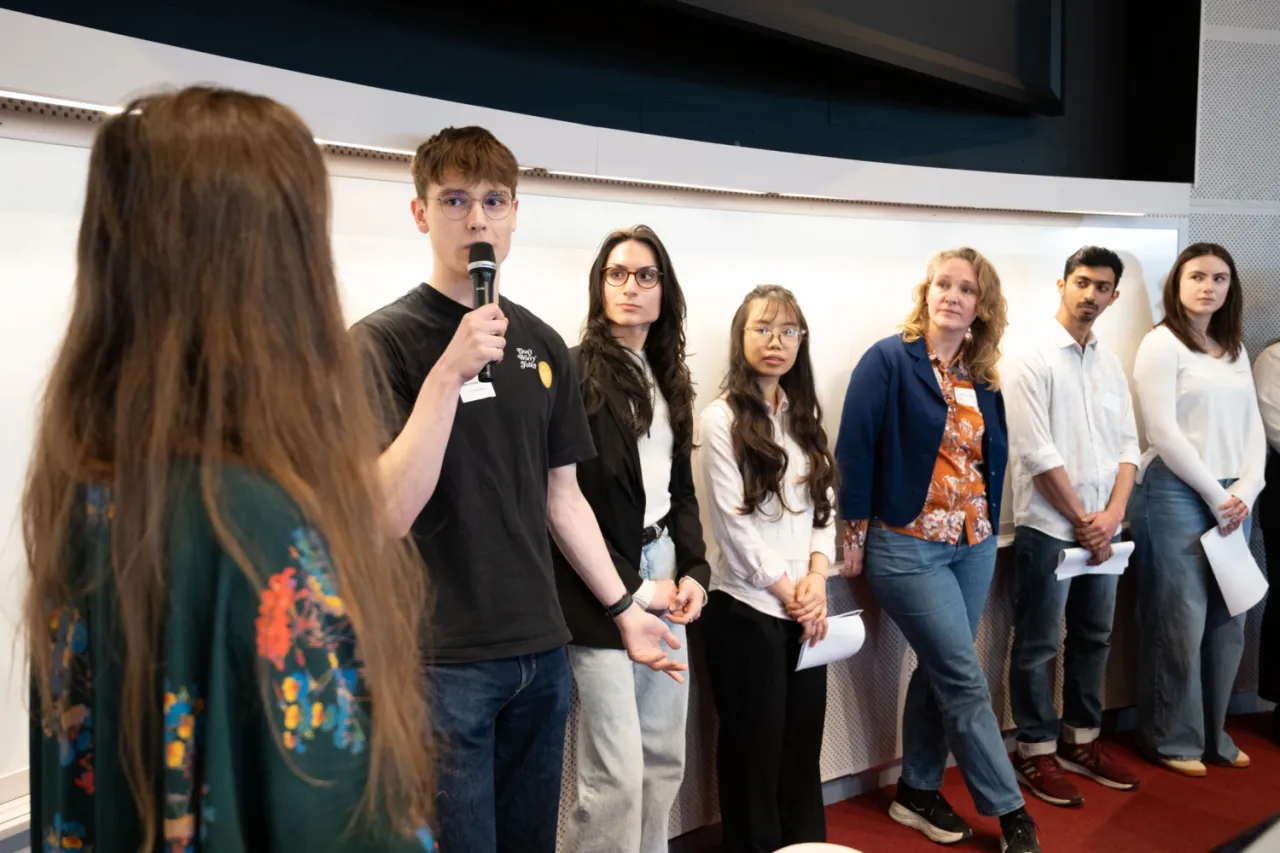
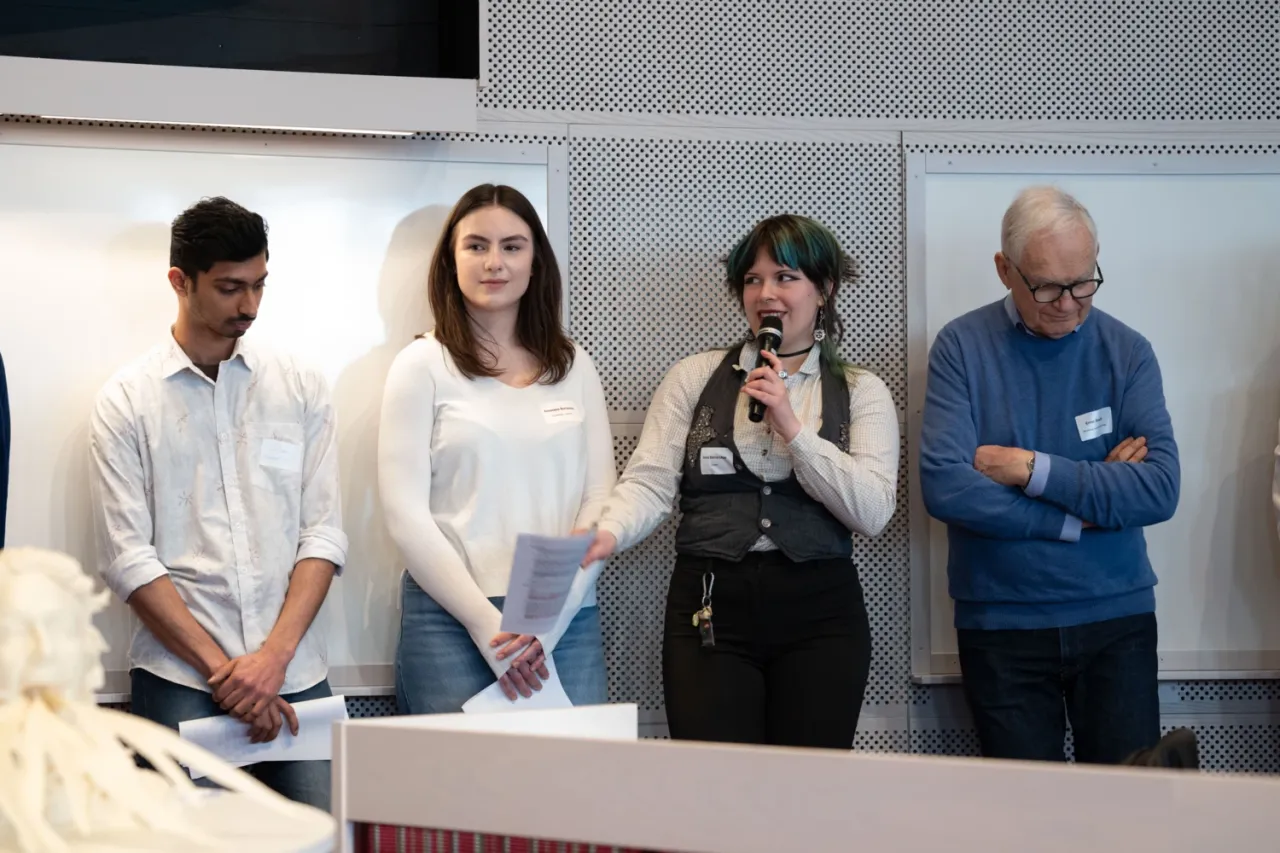
After the lectures, conversations continued during a networking session at various discussion stands, where researchers, students, and other stakeholders presented their work and shared perspectives on the theme of the Sustainability Day. Among other things, the artwork Mouth by Ebba Bohlin was displayed; her artistic practice explores the relationship between humans and the plant world. During the joint wrap-up session, participants were given the opportunity to share reflections and thoughts from the day’s programme. The morning concluded with an award ceremony.
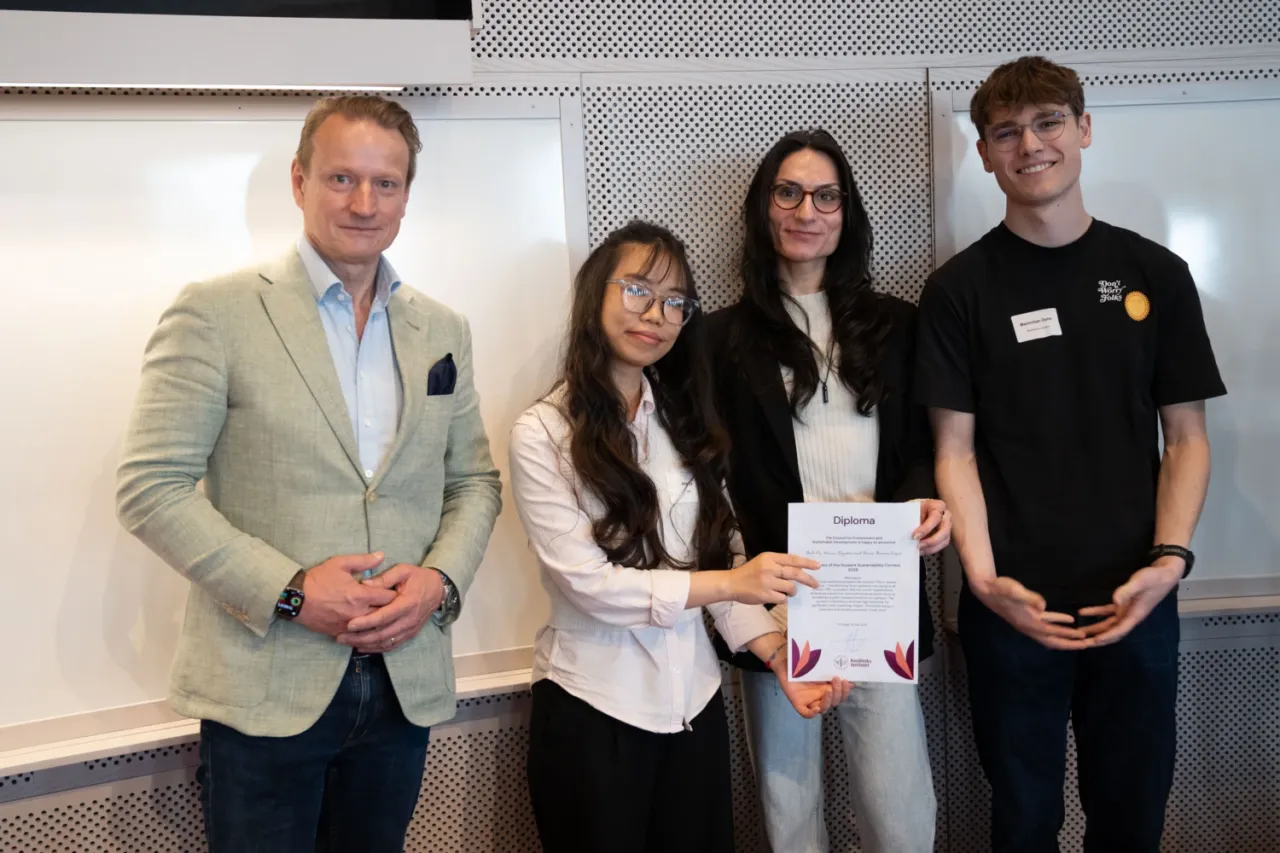
KI’s Sustainability Award 2026 was awarded to Karin Leander, lecturer at the Institute of Environmental Medicine and Associate Professor of Epidemiology at KI, for her commitment to integrating climate, environmental, and sustainability perspectives into the medical programme. The Student Award was presented to Ngoc Anh Le, Anna Barna-Lázár and Dunia Rozakis, for this year’s most innovative and impactful poster on sustainability and health.
The jury’s motivation for the winners of the student poster competition
“The jury announces the Student Poster Competition winners Ngoc Anh Le, Dunia Rozakis and Anna Barna-Lázár with the project “Plant-based Campus – Transforming food systems one campus at a time”. The project presents PBC, a student-led non-profit organization that aims to accelerate a plant-based transition on campus. It embraces a practice-oriented initiative with a strong organizational model, scalability, and proven implementation. The poster design is balanced and visually accessible. Well done!“
Photos from the Sustainability Day