

Common genetic marker may guide new treatment for acute leukaemia
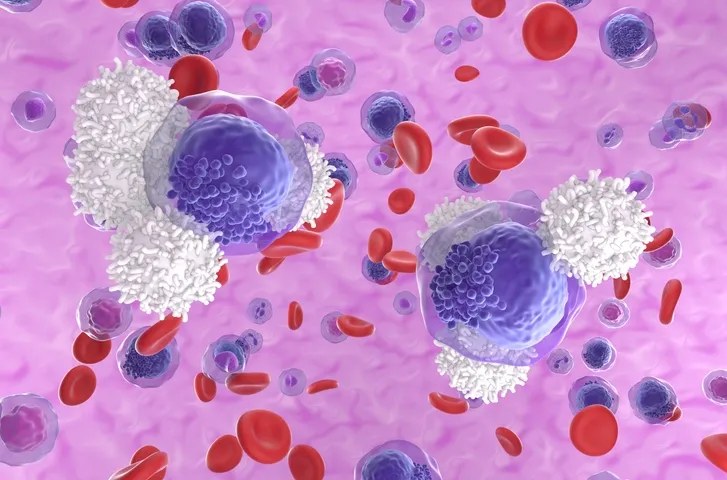
A genetic alteration that is already routinely analysed in patients with acute myeloid leukaemia can be used to identify patients who respond to a new targeted therapy, according to a study published in the journal Discover Oncology.
Acute myeloid leukaemia (AML) is an aggressive blood cancer in which treatment outcomes vary widely between patients. In the new study, the researchers have identified a way to better select which patients may benefit from a drug that blocks the enzyme DCPS.
Some patients respond better to the treatment
The researchers show that AML patient samples with low levels of the protein FHIT are sensitive to DCPS inhibition. The proportion of patients with low FHIT levels varies between 5 and 24 per cent, with the highest proportion seen in children. In the related blood disorder myelodysplastic syndrome (MDS), around 36 per cent of patients showed silencing of the FHIT gene.
The key finding is that patients with a mutation in the IDH2 gene often have low FHIT levels and respond better to DCPS-targeted treatment. Since IDH2 is already part of routine diagnostic testing at AML diagnosis, the marker can be used without introducing any additional tests.
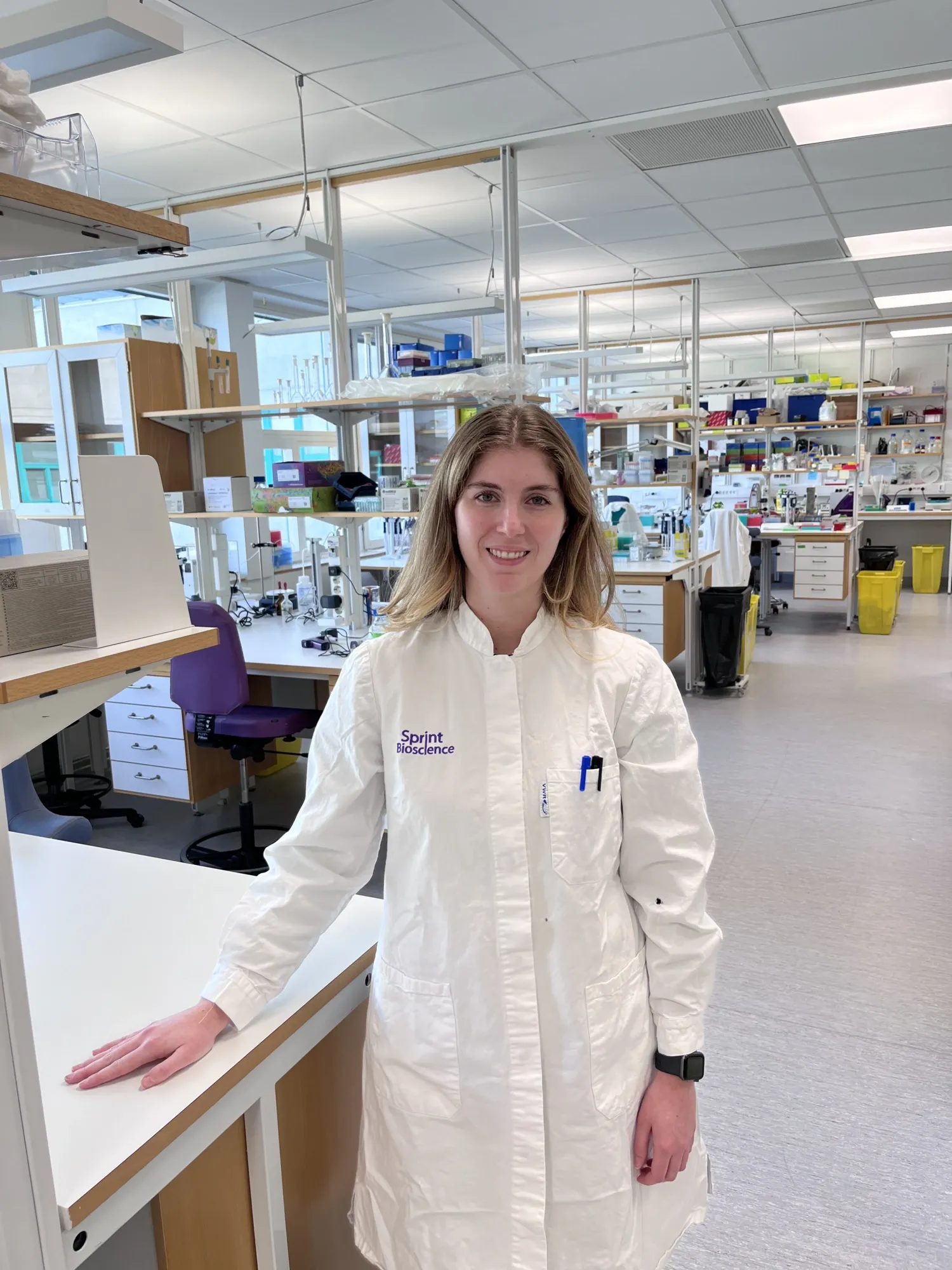
“Many promising cancer drugs fail in clinical trials because they are tested in very broad patient groups”, says Francesca Grassi, doctoral student at the Department of Medicine, Huddinge and first author of the study.
“By using a biomarker that is already available in healthcare, patient selection can be made both simpler and more precise,” says Francesca Grassi.
May lead to more targeted cancer treatment
The researchers tested 24 primary AML samples with the compound RG3039, which inhibits DCPS, and also analysed publicly available patient data to explore the link between FHIT levels and different genetic alterations.
“The IDH2 mutation captures the information we need to identify the right patients, without additional analyses. This could facilitate the planning of future clinical trials, particularly for patient groups with limited treatment options,” says Francesca Grassi.
The next step is to validate the findings in larger patient cohorts and to gain a deeper understanding of the biological link between IDH2 mutations and FHIT expression. In the longer term, the researchers hope that the results will support the design of a clinical trial of DCPS-targeted therapy in AML.
The study was carried out within the framework of an industrial PhD project. Several of the researchers are employed by Sprint Bioscience or NeoTargets. Some also hold shares in Sprint Bioscience. All such relationships are disclosed in the publication.
The research was funded by the Swedish Foundation for Strategic Research (SSF) through a grant for an industrial PhD student (grant ID21-0048). Karolinska Institutet Career Service partly funded Lisa Bast’s salary.
Publication
"Integrated FHIT and IDH2 biomarker profiling predicts lethal sensitivity to DCPS inhibition in Acute Myeloid Leukemia and Myelodysplastic syndrome", Grassi F, Bast L, Singh M, Tobiasson M, Walfridsson J, de Milito A, Andersson M, Höglund A, Discover Oncology, online 27 March, 2026, doi: 10.1007/s12672-026-04880-x