

Enzymes in liver cells may contribute to sex differences in atherosclerosis
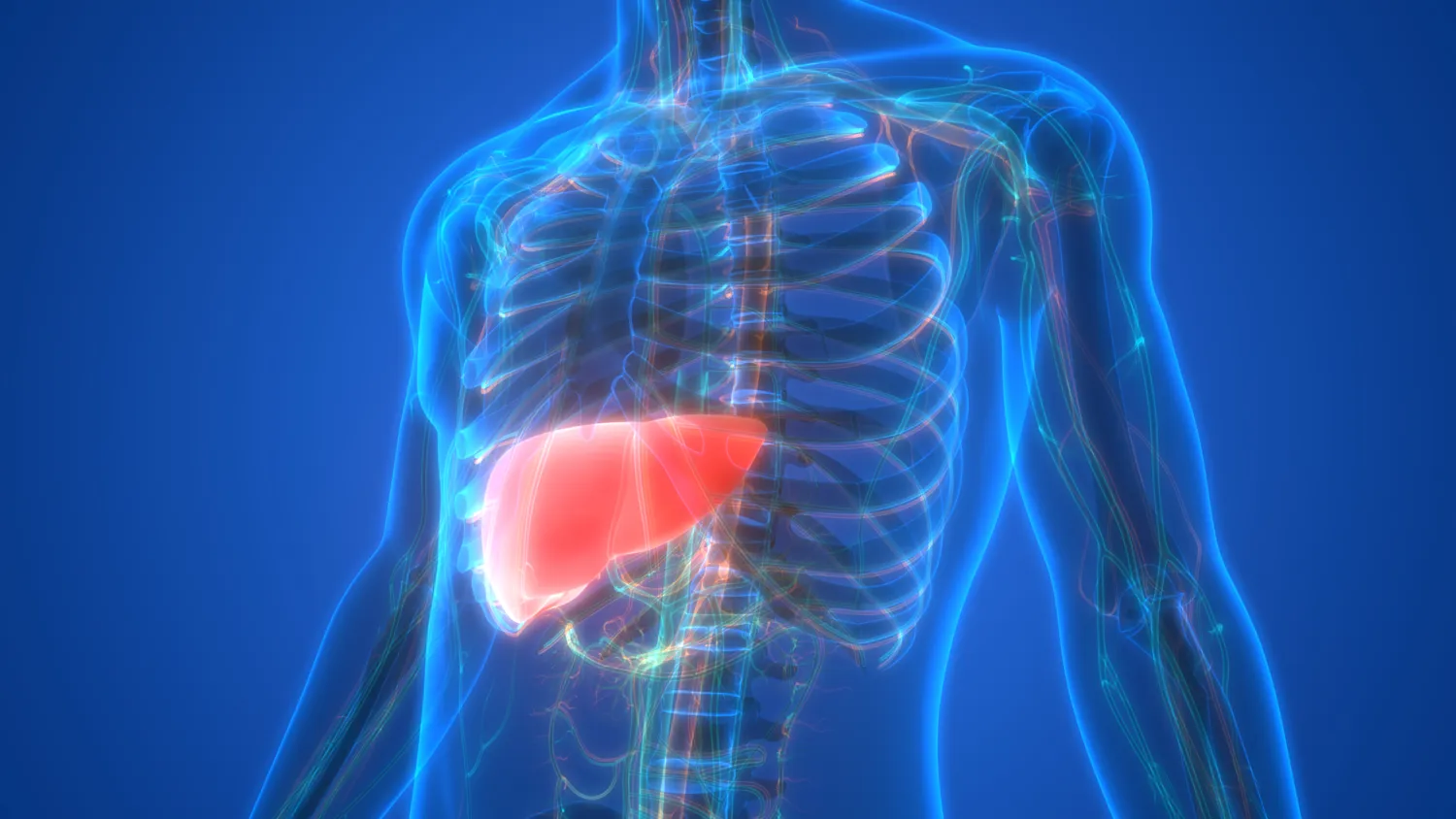
An enzyme in the liver may partly explain sex differences in the body’s handling of cholesterol and the risk of developing atherosclerosis. This is shown in a new study from Karolinska Institutet, published in Nature Communications, based on experiments conducted in mice and human liver cells.
The study investigates how the enzyme KDM6A affects the liver’s regulation of cholesterol. The gene encoding this enzyme is located on the X chromosome and is therefore expressed at higher levels in females. By combining experiments in human liver cell lines and genetically modified mice, the researchers demonstrate that KDM6A is required to maintain the activity of key genes that regulate the metabolism of lipoproteins, i.e. the particles that transport cholesterol in the blood.
Counteracts the formation of harmful blood lipids
When KDM6A was specifically knocked out in the livers of female mice, their blood lipid profile changed markedly, while cholesterol accumulated in the liver and levels of conjugated bile acids rose sharply. In male mice, however, no major changes were observed. The female mice also developed more extensive atherosclerosis when exposed to a diet rich in fat and cholesterol.

“The sex differences in cellular metabolism caused by key enzymes in the sex chromosomes are largely overlooked,“ says Rongrong Fan, group leader at the Department of Medicine Huddinge, Karolinska Institutet.
“Our results show that KDM6A plays a particularly important role in cholesterol metabolism in the liver cells of females but not males, where the enzyme helps activate genes that counteract the formation of harmful blood lipids.”
Cholesterol metabolism differs between the sexes
To understand the mechanism, the researchers mapped the proteins that interact with KDM6A. They found that the enzyme needs to bind to the transcription factor HNF4A to activate genes controlling lipoproteins. This, in turn, influences how another factor, CREBH, binds to DNA and initiates gene activity.
“Taken together, our data show that an entire network of proteins in the liver regulates cholesterol metabolism in a way that differs between the sexes.” says Lin Chen, the first author and PhD candidate at Department of Medicine Huddinge at Karolinska Institutet.
The study was conducted in collaboration between research groups at Karolinska Institutet, Science for Life Laboratory, Nanjing University, INSERM and several other international partners. The work was funded by, among others, the Swedish Research Council, EFSD Novo Nordisk, and Karolinska Institutet’s internal research programmes (KID and SRP diabetes). The researchers report no competing interests.
Publication
"Sex-specific KDM6A-HNF4A-CREBH network controls lipoprotein cholesterol metabolism and atherosclerosis via epigenetic reprograming of hepatocytes" Lin Chen, Zhanfang Kang, Jennifer Härdfeldt, Ziyi Li, Matteo Pedrelli, Qi Li, Ruining Lyu, Philipp Valina Allo, Taras Sych, Xiangru Zheng, Peibin Lin, Jianwen Zeng, Zhiqiang Huang, Oihane Garcia-Irigoyen, Sviatlana Sukhanava, Paolo Parini, Amélie Bonnefond, Erdinc Sezgin, Bo Angelin, Eckardt Treuter & Rongrong Fan, Nature Communication, online 23 March 2026, doi: 10.1038/s41467-026-70846-w.