
Don't let the Lessons from the Pandemic go to Waste - Building better preparedness for the next pandemic
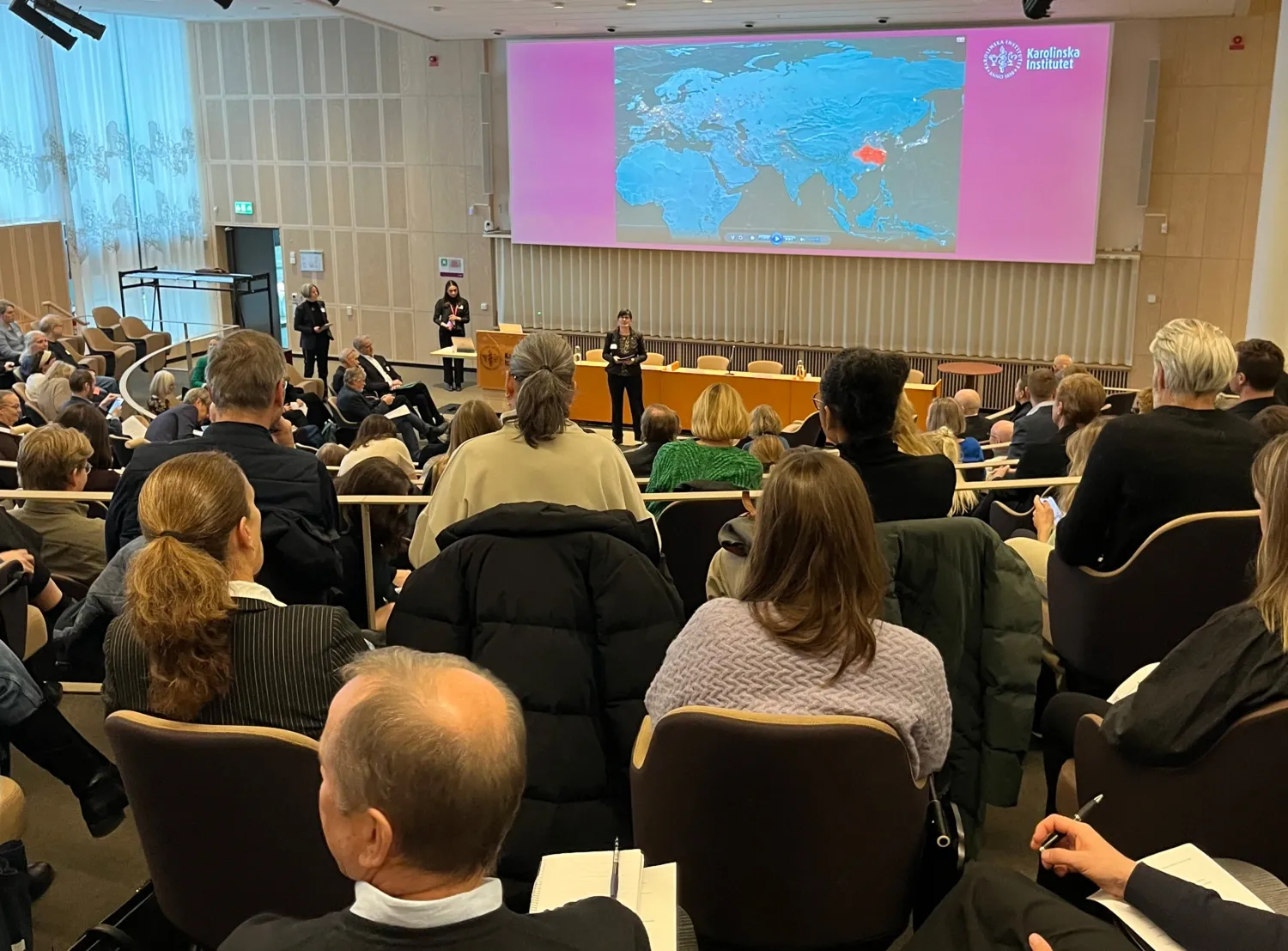
What did we learn during the pandemic and how do we prepare for the next one? That was the theme when representatives from academia, healthcare, authorities, politics and media met during two intensive half-days at an event called Don't let the Lessons from the Pandemic go to Waste, to look back but above all to look ahead. Most agreed that we have learned a lot and now have greater crisis awareness, but also that there is still much to do if we want to tackle the next health crisis even better.
It is now five years since a new virus, SARS-CoV-2, paralysed society, and the COVID-19 pandemic became a reality. Every part of society were affected. Decisions had to be made based on insufficient information and coordination outside existing structures. So how did it go?
On November 19, the Centre for Health Crises invited to an open symposium called Don't let the Lessons from the Pandemic go to Waste, to reflect on both good examples from the pandemic period and challenges we face before the next health crisis. The audience heard retrospectives from people who worked directly and intensively with the pandemic in various roles.
Insights for the future
Magnus Gisslén, Professor and Senior Physician at Sahlgrenska University Hospital, emphasized the importance of enabling clinical research early in a pandemic to answer questions about, for example, treatment options. He also highlighted the good collaboration at the hospital when the crisis hit. All unnecessary administration was removed, decisions were made on the spot, and everyone contributed.
Åsa Hessel, Head of Security and Preparedness at Region Sörmland, shared insights from the dramatic surge in covid-19 patients during the early months of the pandemic. Key lessons she highlighted included the need for close collaboration with municipalities and the importance of swiftly engaging with political leaders to ensure rapid decision-making and implementation.
Intensive care physician Märit Halmin was among those struggling to deliver care in rapidly overcrowded ICUs. She emphasized the need for a national priority framework to guide decisions in times of crisis. During the pandemic, when resources were scarce, the responsibility for determining who would receive intensive care fell on individual doctors. "Now is the time to establish such a framework, embed it in practice, and provide training. Only then can we guarantee equal access to care next time", she concluded.
The covid-19 pandemic became the biggest media event since World War II. Medical reporter Annika Östman reflected on what it was like to work as a journalist during that time and how Vetenskapsradion covered everything from the Public Health Agency of Sweden’s press conferences to the curiosity-driven series Vetenskapsradion Coronaspecial.
Listen to Vetenskapspodden
In a subsequent episode of Vetenskapspodden, Annika Östman talks with colleagues Lars Broström and Lena Nordlund about the insights and experiences raised at the symposium (in Swedish): Vetenskapspodden, SR, 29 November 2025: Misstagen och lärdomarna från pandemin – så kan vi klara oss bättre nästa gång (The mistakes and lessons from the pandemic – how we can do better next time.)
From reflection to action proposals
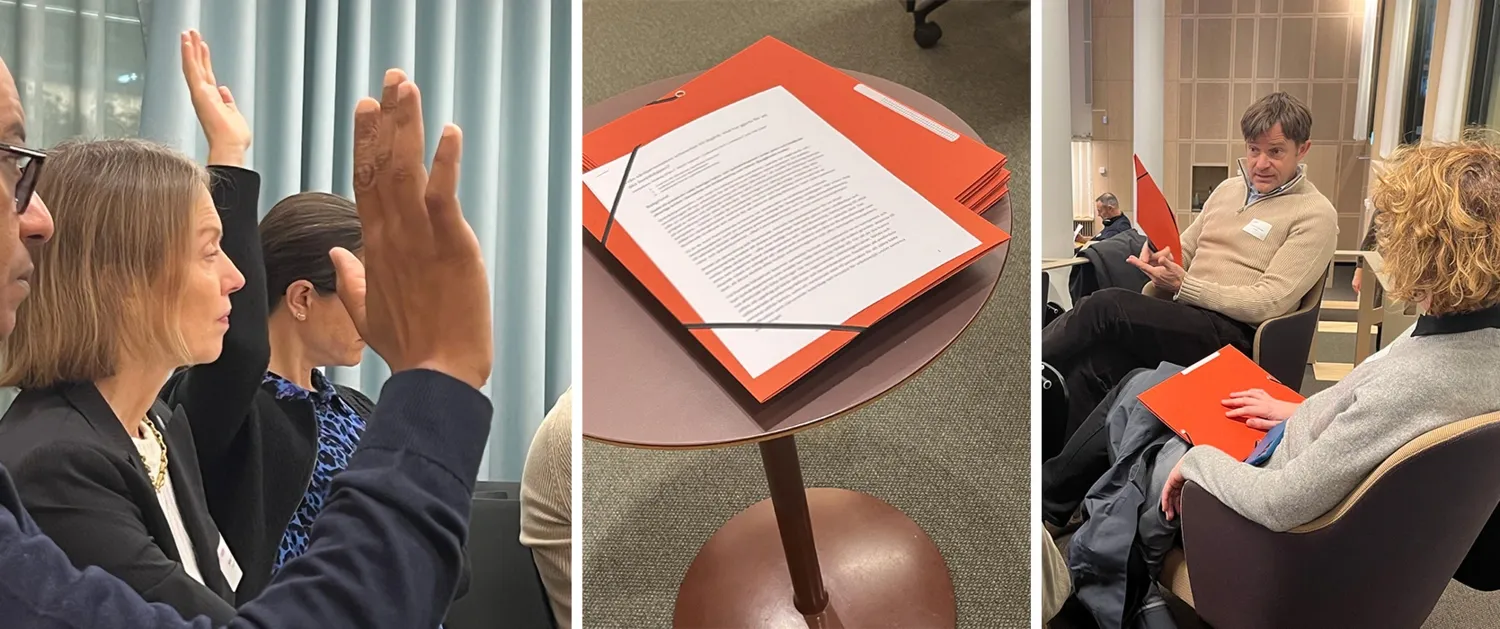
The day after the open symposium, more than 80 invited participants from authorities, regions, universities, and other actors gathered to work together on developing concrete action proposals on how society can strengthen preparedness for the next health crisis.
Based on draft position papers, three central themes were discussed: expert advice in times of crisis, healthcare staff experiences, and testing. The discussions followed a constructive expert debate format, allowing all participants to comment on proposed measures and contribute ideas for further development. These conversations were open and dynamic, however the compiled conclusions will not include personal opinions.
"The approach was well received, and we gathered many valuable insights", says Anna Zorzet, Strategic Process Leader at the Centre for Health Crises.
Disseminating and discussing the proposed actions
Following the event, the Centre has now refined the ideas and recommendations discussed, updated and published the position papers, and is currently working on disseminating the proposed actions to the relevant authorities. The Centre is hoping to continue to collaborate with the those who contributed to the papers.
The papers are available to read and download below (in Swedish). If you have any questions or would like to discuss the ideas and recommendations put forward in them, please contact: healthcrises@ki.se
Position papers (in Swedish)
About the Centre for Health Crises
The Centre for Health Crises works across a number of areas of expertise, in an interdisciplinary manner, with a focus on policy development, catalysing research, developing training and education and providing expert support to authorities and organisations.
A health crisis is a disruptive situation that has a significant impact on people's health and exceeds the capacity of the health system to cope with it.