

Associate Professor Sara Hägg joins the Academy of Geroscience
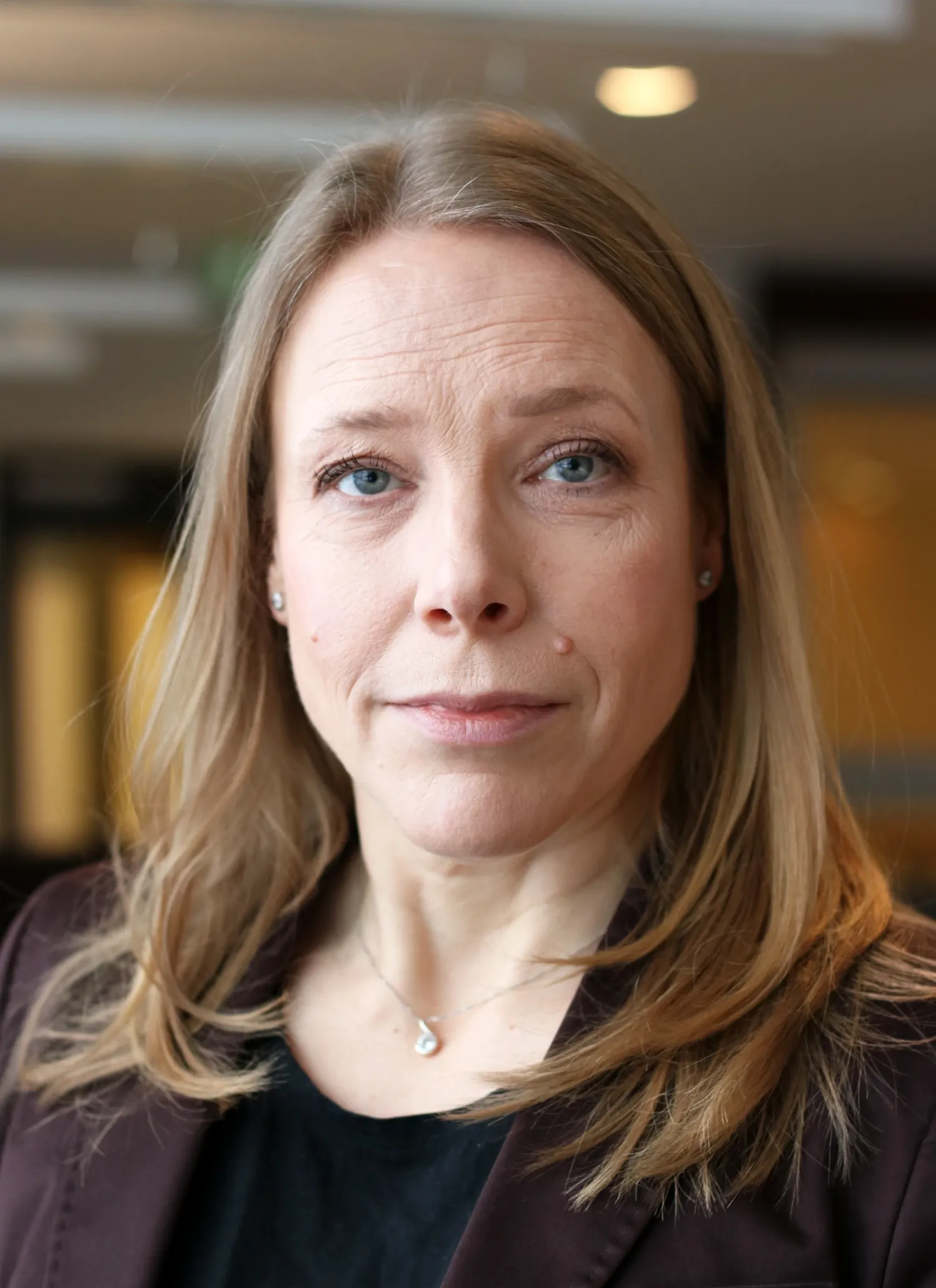
Associate Professor Sara Hägg from the Department of Medical Epidemiology and Biostatistics has been elected to join the Academy of Geroscience.
“The Academy of Geroscience, composed of the world’s leading scientists in the biology of aging, is committed to advancing the promise of geroscience, which connects the biology of aging with the biology of age-related diseases and health,” says Sara Hägg.
“I have recently been elected as a member of this group, and it is a true honor to be included among internationally recognized researchers in the field. I hope to contribute my expertise in human biological aging and population-based analyses.”
When asked about the committee’s most important priorities in the coming period, Sara highlights the need to strengthen the focus on geroscience across society as a whole. This includes wider recognition of geroscience as a scientific discipline—among the public, policymakers, and other researchers—as well as acknowledgment of it as an area in need of increased funding.
As part of this effort, the Academy has recently rebranded from the Academy for Health & Lifespan Research to the Academy of Geroscience, aiming to unify and clarify terminology in the field. Much of the Academy’s visibility also comes through engagement with journalists, by highlighting important publications and responding quickly to urgent developments.
Reflecting on the value of collaboration within the committee, Sara notes that the Academy brings together leaders in the field. Annual meetings, with close interaction and discussion, create opportunities for new collaborations and initiatives that strengthen active geroscience research.
“I feel privileged to be included in this committee and committed to helping strengthen the Academy’s mission—to advance research, education, outreach, and support in the biology of aging. I am convinced this will also lead to many fruitful collaborations, and I hope my work can help catalyze new findings across different projects.”