

Ten years of research using Swedish health data – Karolinska Institutet and MSD celebrate a decade of strategic research collaboration
Karolinska Institutet and MSD are celebrating ten years of strategic research collaboration focused on patient-centred, registry-based research. Over the past decade, the collaboration has resulted in more than 40 joint studies and, to date, around 30 scientific publications in areas such as vaccines, oncology, cardiometabolic diseases, immunology, and neurology.
Research using Swedish health registry data
Research based on Swedish registry data has contributed to new knowledge that has informed updates to European treatment guidelines for specific breast cancer diagnoses, highlighted the long-term consequences of gynaecological cancer, and increased understanding of the long-term impact of bacterial meningitis in children.
The collaboration was established with the ambition to better understand how diseases manifest and affect patients in everyday clinical practice and in society at large – beyond the controlled environment of randomised clinical trials. With Sweden’s extensive health data registers as a foundation, the partnership has enabled studies on disease burden, treatment patterns, and long-term outcomes.
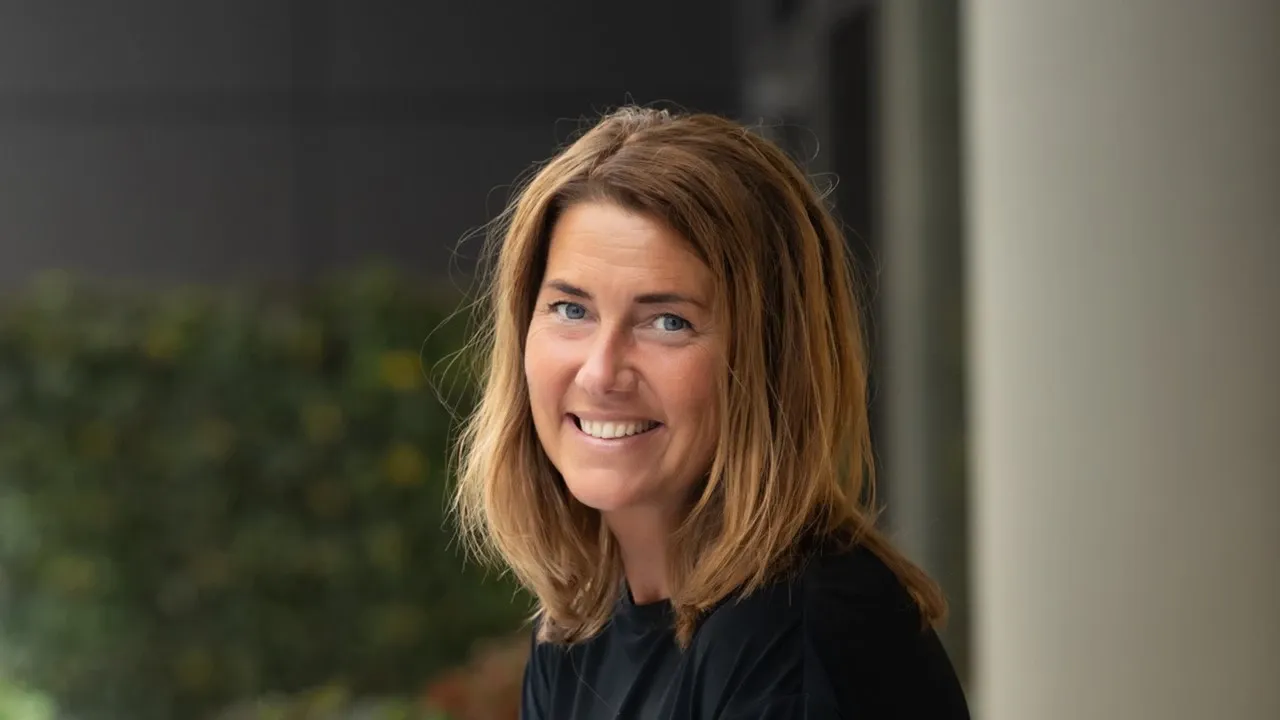
“We started the collaboration with the ambition to focus on research questions relevant to both Karolinska Institutet and MSD, based on the unique Swedish registry environment. We quickly saw that the potential went beyond individual projects and that there was an opportunity to develop a long-term research platform,” says Stina Salomonsson, Executive Director Outcomes Research at MSD.
Registry-based research for improved patient outcomes
The partnership is based on shared research questions, with projects initiated jointly by academia and industry and prioritised based on medical need, feasibility, and potential patient benefit. Scientific integrity and academic freedom are core principles.

“Sweden’s registry-based data sources offer unique opportunities to follow individuals over time through secure data linkage. This makes it possible to study long-term disease trajectories and capture outcomes that are rare and therefore difficult to analyse in other types of studies,” says Karin Sundström, cancer epidemiologist at the Department of Clinical Science, Intervention and Technology, Karolinska Institutet, and principal investigator for several studies within the partnership.
Collaborative research strengthening global healthcare
Several of the studies have had international impact. One example is breast cancer research that has contributed to a more inclusive view of certain patient groups in international guidelines. Other studies have shown how gynaecological cancer can have long-term consequences for patients’ families, as well as highlighted the long-term impact of infectious diseases.

“When academia and industry come together and combine their knowledge and expertise, the results can be something truly powerful for both patients and society. In this collaboration between KI and MSD, researchers have been able to explore the data in new ways and together generate insights that translate into concrete clinical development and improved care,” says Richard Cowburn, Head of the External Engagement Office at Karolinska Institutet.
“After ten years, we see a tremendous benefit from this type of partnership. By combining academic research with industry perspectives, we can contribute to a better understanding of disease and ultimately better care for patients,” says Stina Salomonsson.
Read more about the partnership here: KI & MSD in patient-centred research partnership | Karolinska Institutet
Facts: KI–MSD Strategic Partnership
Start: 2016
More than 40 research studies
Approximately 30 scientific publications
Focus areas: oncology, vaccines, neurology, immunology, ophthalmology, cardiometabolic diseases, as well as methods and policy research
Purpose: patient-centred research based on Swedish registry data and real-world evidence