
Forte grant awarded to explore inequalities in harm reduction in Sweden

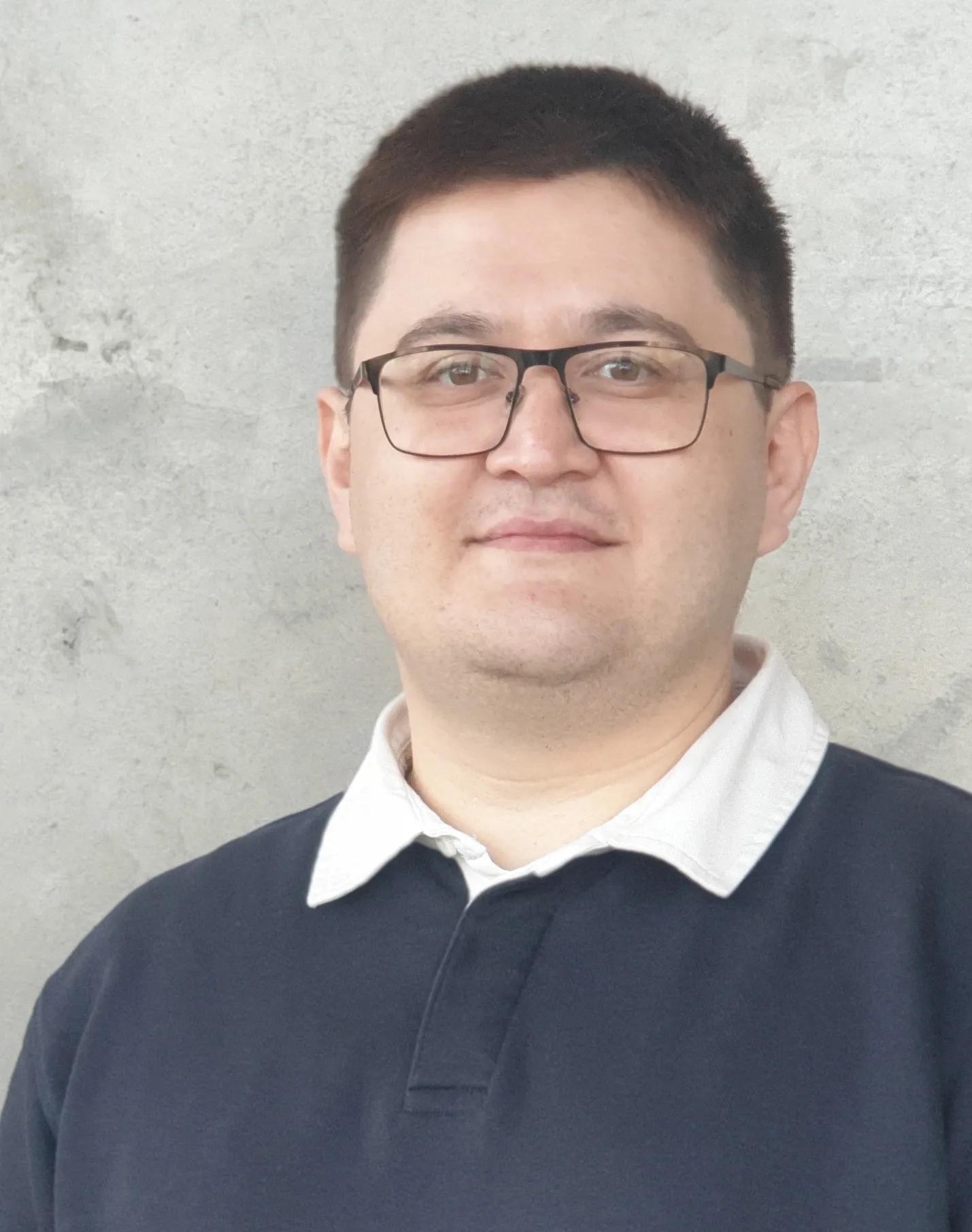
Meet Maxim Kan, postdoctoral researcher at the Department of Global Public Health, who was recently awarded an establishment grant from Forte of SEK 3,069,000. He will use the funding to investigate health inequalities among participants in Swedish needle and syringe programs.
Resarcher: Maxim Kan, postdoctoral researcher at the Department of Global Public Health
Project: Social stratification, migration, and harm reduction: Exploring health inequalities among participants in Swedish needle and syringe programs
Forte establishment grant: SEK 3.069 million
Congratulations on the grant! Please tell us about your background and how you became interested in global public health research.
"My background combines demography, policy research, and international development. I started my career in Kazakhstan at the Institute for World Economy and Politics, working on policy analysis, and later moved into global health research and programme implementation with Population Services International across Central Asia. There, I worked on HIV prevention, harm reduction, and health systems, managing large-scale studies among vulnerable populations.
This practical experience sparked my interest in understanding the broader social and structural drivers of health. I pursued a PhD in Demography at Stockholm University, and I am now a postdoctoral researcher at the Department of Global Public Health at Karolinska Institutet.
What has consistently motivated me is the intersection of social inequality and health: how factors like ethnic or migration background, socioeconomic status, and access to services shape outcomes. This has naturally led me to global public health research, where I can combine rigorous data analysis with real-world impact."
What is the overall goal of your research?
"The overall goal of my research is to better understand and address health inequalities among people who use harm reduction services, particularly within Swedish needle and syringe programs.
While Sweden has made important progress in expanding these programs, disparities remain in access, coverage, and health outcomes across different groups. My research focuses on how social stratification, such as migration background, socioeconomic status, and housing instability, affects individuals’ ability to benefit from these services.
Building on my ongoing collaborations with Stockholm’s needle and syringe program, where several manuscripts on injection coverage, risk profiles, and changes over time are currently in preparation, this project aims to deepen and expand that work. Ultimately, the goal is to generate evidence that can inform more equitable and effective harm reduction policies."
How will you use the grant?
"The grant will support a research project consisting of both quantitative and qualitative components. It includes two quantitative studies using longitudinal data from Swedish needle and syringe programs, as well as one qualitative study to capture the lived experiences of participants. The quantitative analyses will examine patterns of service use, injection practices, and health outcomes over time, while the qualitative component will provide deeper insight into barriers and facilitators of access.
The project builds on previous and ongoing work, including collaboration with Public Health Agency of Sweden on population size estimates of people who inject drugs, and a current pilot project funded by the KI Strategic Research Area in Epidemiology and Biostatistics (SFOepi), which explores the inclusion of network-based questions into the InfCare NSP clinical monitoring system.
The new grant will allow me to expand this work to national-level InfCare NSP data, strengthening the analytical scope and policy relevance. A key priority is to ensure that findings are translated into actionable insights for practitioners and decision-makers.2
What would you wish to be the next step after this?
"The next step would be to build on this project to develop a broader, internationally oriented research agenda on health inequalities and harm reduction. I plan to apply for European and other international funding to expand this work further.
I am particularly interested in developing collaborative projects both within and outside of Europe, working with academic partners as well as harm reduction networks. This would allow for comparative research across different policy and service contexts, strengthening the evidence base for effective interventions.
In the longer term, I aim to establish an independent research line that bridges epidemiology, social science, and policy, and contributes to more equitable and evidence-based public health responses for vulnerable populations."