

Cells in tumour microenvironment may affect hormone treatment
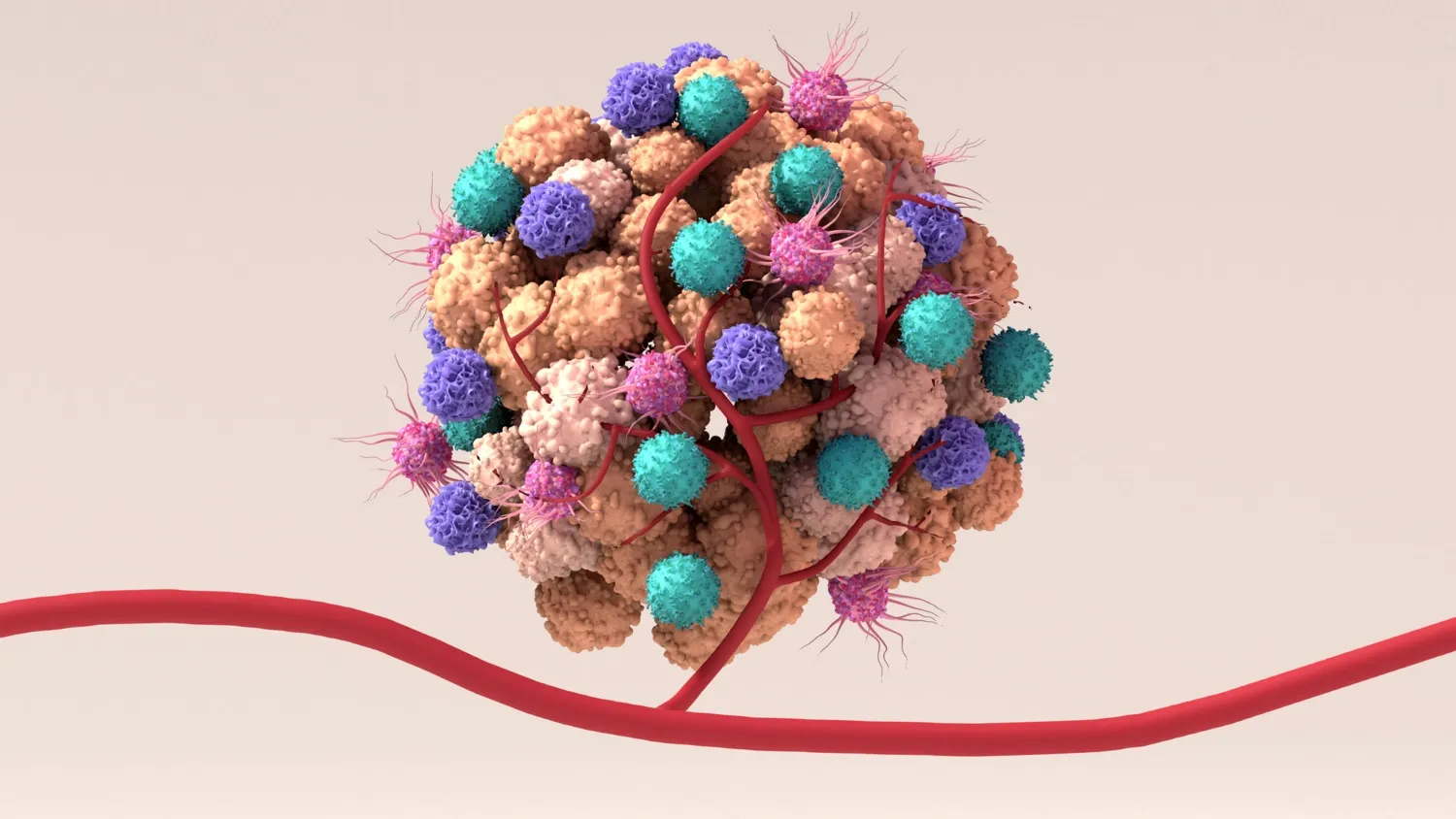
The types of cells found in the microenvironment of a breast tumour may affect how well the hormone therapy tamoxifen works over the long term. This is shown in a study from Karolinska Institutet published in BMC Medicine. The findings may help improve understanding of why some patients benefit more from treatment than others.
Tamoxifen is a drug used to treat hormone-sensitive breast cancer by blocking the effects of the hormone oestrogen. In the new study, researchers investigated whether the tumour microenvironment, meaning the immune cells, connective tissue cells and other cells found within and around a tumour, can influence how well the treatment works.
The researchers analysed tumour samples from 513 postmenopausal women with oestrogen receptor-positive, HER2-negative breast cancer. The patients took part in the randomised Stockholm Tamoxifen (STO-3) trial, in which participants were assigned either to receive tamoxifen or no endocrine treatment. Patients were followed for up to 25 years.
The tumour samples were analysed to map the types of cells present within and around the tumours. The researchers then investigated whether the composition of these cells could be linked to the risk of breast cancer recurrence.
Low levels of immune cells linked to greater benefit from tamoxifen
The results showed that patients with a low abundance of immune cells in the tumour microenvironment experienced the greatest long-term benefit from tamoxifen compared with patients who did not receive the treatment. The researchers also found that different levels of blood vessel-related cells and connective tissue cells within and around the tumour were associated with how much benefit patients gained from treatment.

“Today, breast tumours are assessed mainly on the basis of the characteristics of the cancer cells themselves. Our findings suggest that the cells surrounding the tumour may also provide important information about how patients respond to treatment,” says Nick Tobin, last author of the study and researcher at the Department of Oncology-Pathology, Karolinska Institutet.
The findings may contribute to research on how patients with hormone-sensitive breast cancer can be grouped according to the characteristics of their tumours.
“This study contributes to a better understanding of why patients with the same type of breast cancer sometimes respond differently to hormone therapy. In the longer term, this knowledge may help researchers investigate whether treatments can be tailored more effectively to the biological characteristics of individual tumours,” says Paula Camargo Romera, researcher at the same department and first author of the study.
The researchers emphasise that the study is based on patients who were treated according to older standards of care. The findings therefore need to be confirmed in contemporary patient populations before they can be applied in clinical practice.
The study was funded by, among others, the Swedish Cancer Society, the Swedish Research Council, Forte (the Swedish Research Council for Health, Working Life and Welfare), the Cancer Research Foundations of Radiumhemmet and ALF funding. The researchers declare no conflicts of interest.
Publication
The tumour microenvironment influences long-term tamoxifen benefit in postmenopausal ER+/HER2− breast cancer patients: a secondary analysis of the randomised Stockholm Tamoxifen (STO-3) trial, Paula Camargo Romera, Miguel Castresana-Aguirre, Oscar Danielsson, Huma Dar, Arne Östman, Kamila Czene, Linda S. Lindström and Nicholas P. Tobin, BMC Medicine, online 5 August 2026, doi: 10.1186/s12916-026-05091-5