
Patrik Ernfors awarded international research prize for breakthroughs in pain and touch
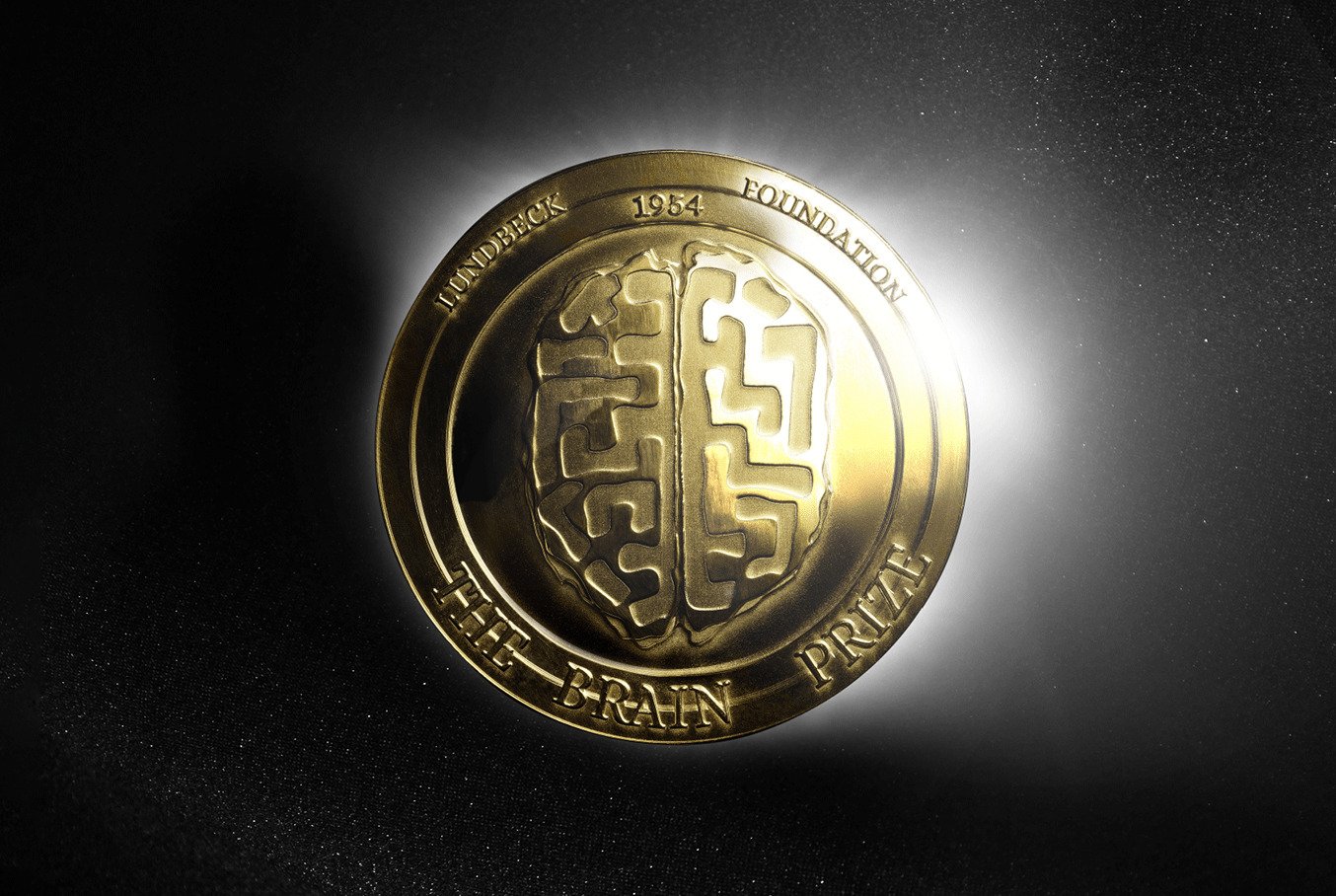
The Lundbeck Foundation in Denmark has awarded Professor Patrik Ernfors The Brain Prize 2026 for groundbreaking discoveries about how the nervous system interprets touch and pain. His research has clarified key aspects of somatosensation, the body’s ability to sense the physical world, and opened new opportunities for developing treatments for long lasting pain. He shares the prize with Professor David Ginty, Harvard Medical School.
Professor Ernfors shares the prize with Professor David Ginty, a leading neurobiologist at Harvard Medical School, USA, whose research has been central to mapping the neural circuits that underlie the sense of touch.
Patrik Ernfors’ research aims to understand how the body senses pain and touch, particularly in conditions such as rheumatoid arthritis. His team has discovered which nerve cells send pain signals, and how these cells cooperate with the immune system when joints become painful.
The team has also shown why some nerve cells start overreacting, making pain feel stronger than it should. This happens when certain substances in the body “switch on” a signalling pathway inside the nerve cells, causing them to react more intensely.
These discoveries have helped researchers begin developing new types of pain treatments, and a medicine based on this knowledge has already been tested in an early human study.
New directions for treating chronic pain
The broader impact of this work has been to create a clearer blueprint of how different types of sensory neurons and spinal circuits together shape our perception of the physical world — and what happens when these systems malfunction, leading to chronic pain or hypersensitivity.
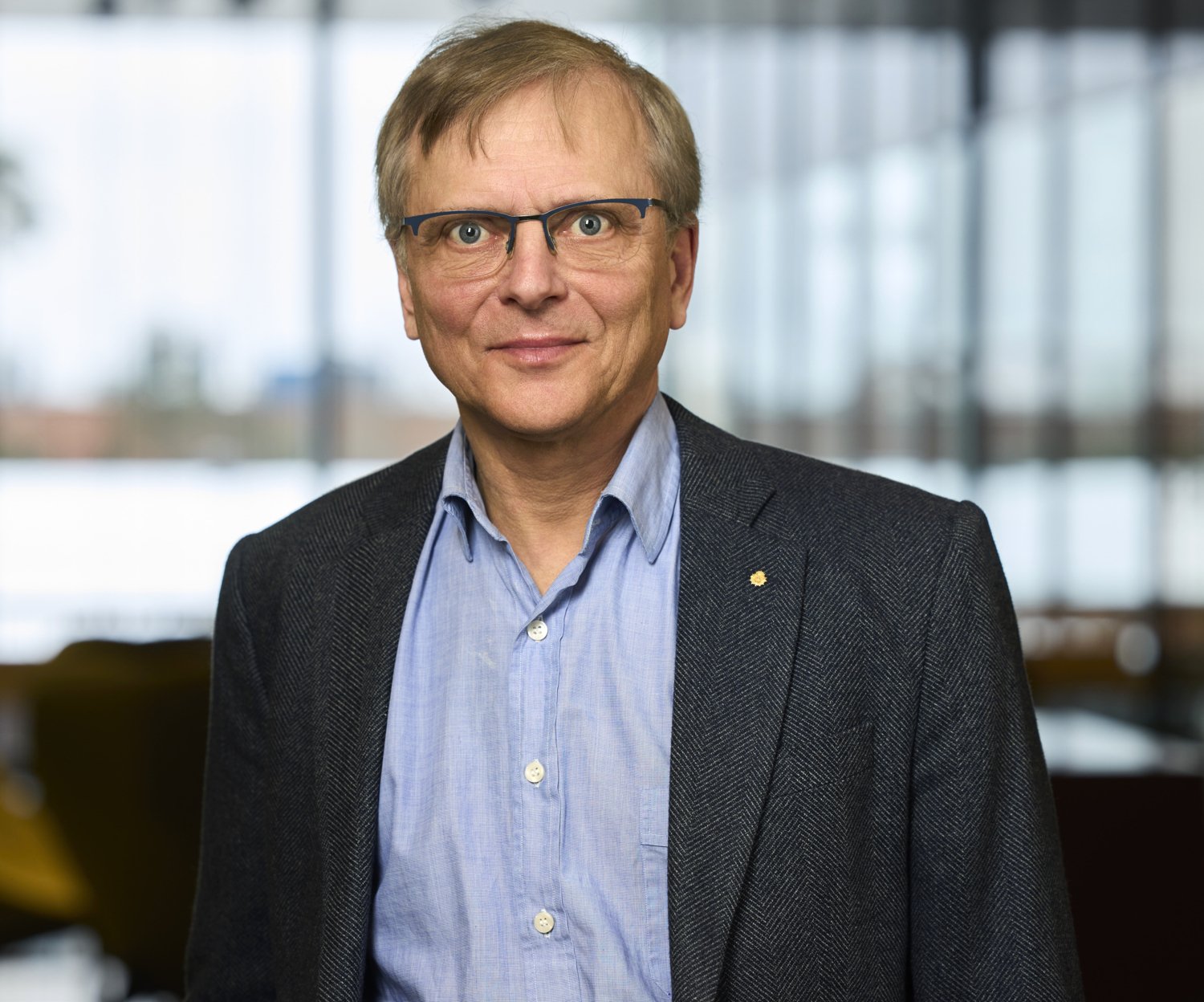
“We now know which neurons and cellular interactions are involved in joint pain, and which signalling pathways make these neurons hypersensitive,” says Patrik Ernfors, professor at the Department of Medical Biochemistry and Biophysics, KI. “One of our major current efforts is to identify the effector molecules downstream of these pathways — the final components that actually drive neuronal hyperexcitability.”
A further focus of the Ernfors laboratory is to understand the process that starts the aberrant activation of the signaling pathway and eventually results in the activation of the pain‑inducing pathway.
Based on these findings, the US company 4E Therapeutics recently completed a Phase I trial of a therapy designed to block this mechanism, with hopes for a Phase II study in patients with rheumatoid arthritis later this year.
The importance of the laureates’ work is underscored by the Lundbeck Foundation’s CEO, Lene Skole, who notes:

“Our ability to feel touch and pain is perhaps the most underappreciated of our senses. It gives us our sense of self and of our interactions with the world. Without it we would feel disembodied. This is hard to imagine and to really appreciate how profound it is, we need only look at what happens when the sense of touch and pain goes wrong,” says Lene Skole. “The fundamental new insights into the neuroscience of touch and pain provided by Patrik Ernfors and David Ginty are truly remarkable and carry hope for patients living with disorders such as chronic pain. It is a true pleasure to award these outstanding scientists with The Brain Prize 2026.”
A meaningful recognition
Receiving The Brain Prize is deeply meaningful, says Professor Ernfors:
“Research is often a very individual pursuit, shaped by our own ideas and ways of thinking. To have the selection committee judge my work worthy of this prize feels incredibly honouring. It is also a confirmation that our group is focusing on the right questions and applying an approach that yields meaningful results.”
The news article is based on a press release from the Lundbeck Foundation.
About The Brain Prize
The Brain Prize is the world’s largest neuroscience research prize, awarded each year by the Lundbeck Foundation. The Brain Prize recognises highly original and influential advances in any area of brain research, from basic neuroscience to applied clinical research. Recipients of The Brain Prize may be of any nationality and work in any country in the world.
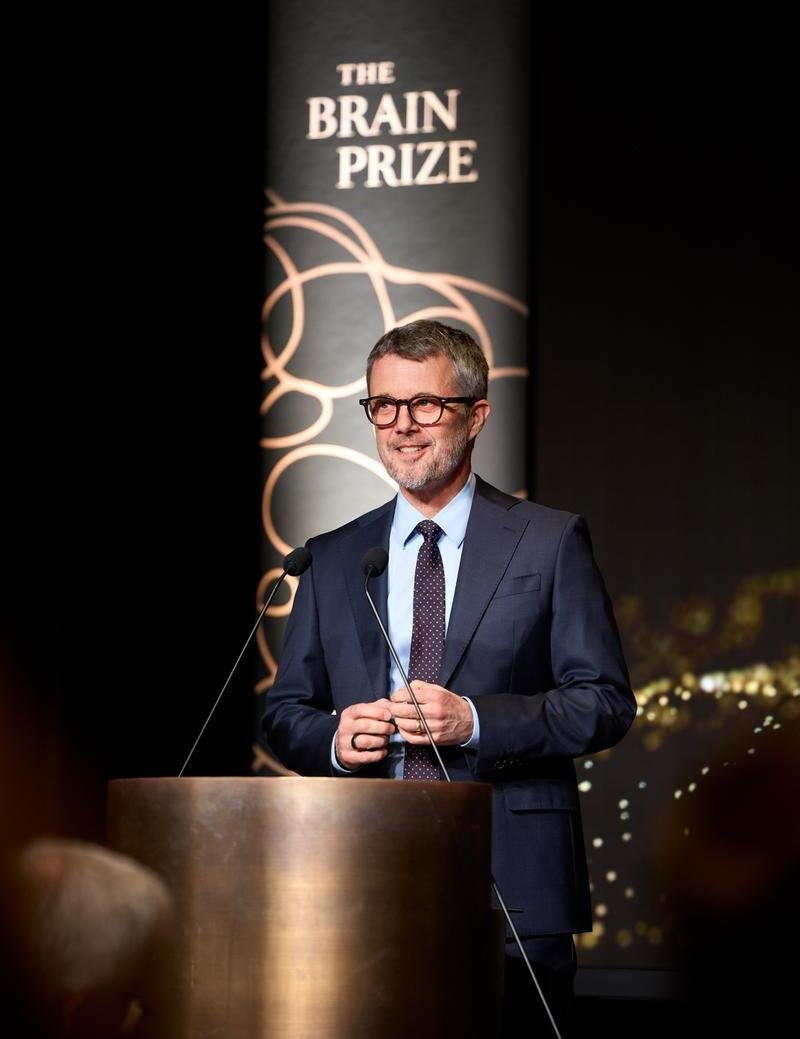
Since it was first awarded in 2011, The Brain Prize has been awarded to 49 scientists from 11 different countries. The Brain Prize ceremony takes place in Copenhagen with the participation of HM The King of Denmark, who is patron of The Brain Prize. Recipients of The Brain Prize receive a gold medal and share the prize of DKK 10m (EUR 1.3m in total).
The Lundbeck Foundation is an enterprise foundation encompassing a comprehensive range of enterprise and philanthropic activities – all united by its strong purpose, Bringing Discoveries to Lives. The Foundation is the long-term and engaged owner of several international healthcare companies. Among them Lundbeck, Falck, and Ferrosan Medical Devices.
Source: The Lundbeck Foundation