

New thesis shows methods to map shared genetics and uncover clues for drug development
Many common diseases and other complex traits, such as heart disease, diabetes, and psychiatric disorders, are influenced by a very large number of genetic variants, each with only a small effect. They are also shaped by environmental and lifestyle factors, which makes their causes highly complex. By analyzing genetic data from very large groups of people across the whole genome, researchers can identify these small genetic signals and better understand how they contribute to health and disease.
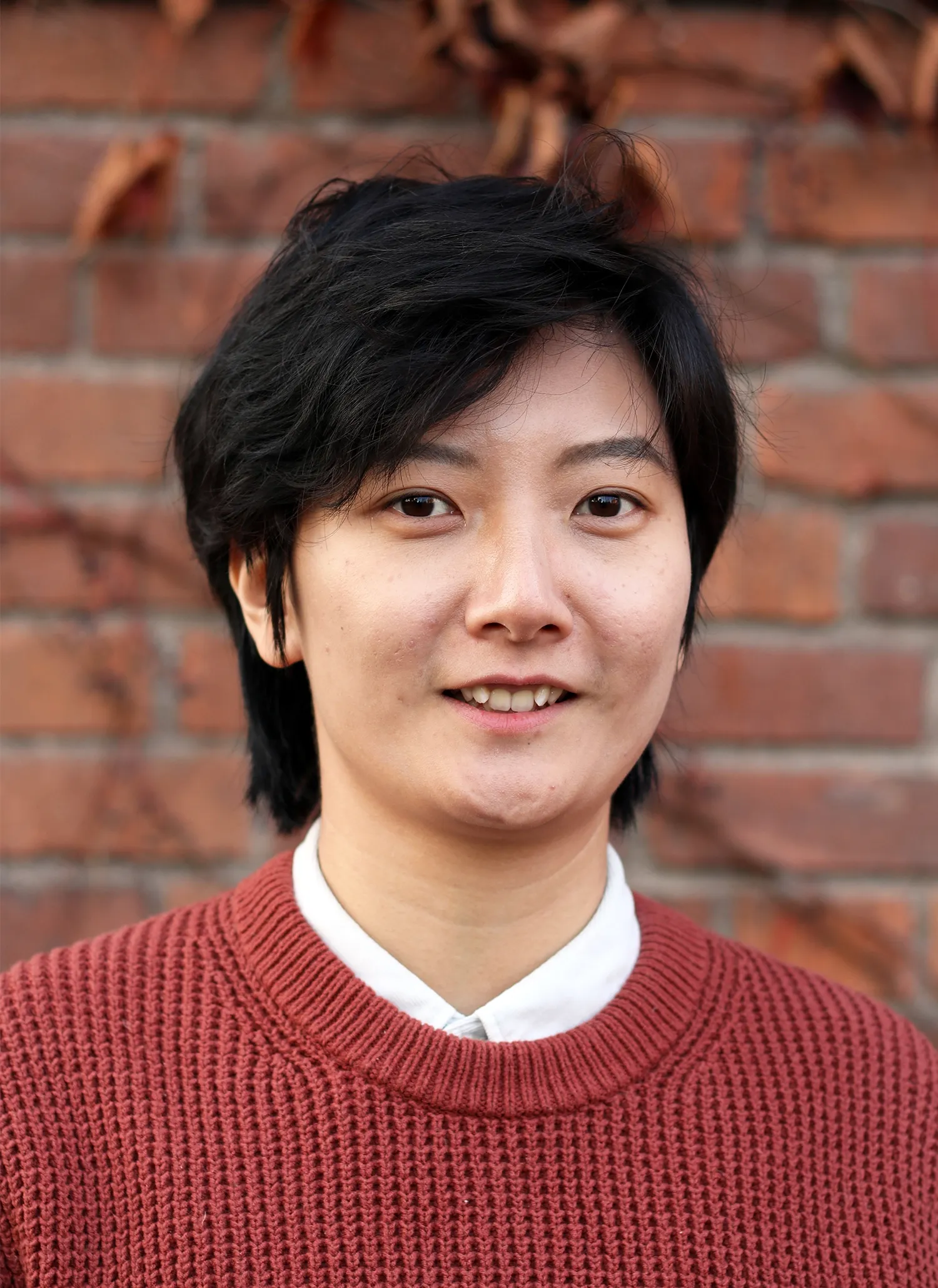
In a new thesis from Karolinska Institutet, PhD student Yuying Li at the Department of Medical Epidemiology and Biostatistics has worked on developing statistical methods to identify where diseases share genetic influences, link these signals to plasma proteins, and help guide future drug discovery.
What are some of the things you have worked on?
“One key idea in the thesis is that diseases can share genetic influences, but this overlap varies across the genome. Rather than giving only one overall measure for the whole genome, my thesis looks at regions by regions to see where this shared genetic background appears. This makes it possible to detect important biological signals that may be hidden in broader analyses.
My thesis also links genetic results for diseases with genetic results for plasma proteins. Proteins are often closer than genes to what is actually happening in the body, and many medicines work by targeting proteins. By identifying regions of the genome that affect both protein levels and disease risk, the research can help highlight biological pathways that may be important in disease.
A third part of the thesis goes one step further by combining genetics with three-dimensional protein structure. This is important because a protein may be linked to disease, but that does not automatically mean it can be targeted by a drug. The work therefore examines whether disease-related proteins form realistic complexes and whether these complexes contain places where future drugs might bind.
Our results suggest that this approach can help translate broad genetic signals into more concrete biological clues. In my thesis, we used the new methods to identify local shared genetic signals across UK Biobank traits, prioritize protein–disease links, and highlight protein complexes that may be biologically meaningful and potentially druggable."
Why does this matter for health care?
“It matters because drug development is slow, difficult and expensive. If researchers can use human genetics to better identify which proteins and pathways are truly involved in disease, they may be able to focus earlier on the most promising treatment targets. This could improve the chances of finding effective therapies and reduce time spent on less relevant leads and make genetic discoveries more useful for future medical research.”
Doctoral thesis
"High-definition likelihood framework for local genetic architecture and proteome-informed target discovery". Yuying Li, April 2026.
Facts about doctoral theses
A doctoral thesis is the final written product of a postgraduate education, which in Sweden corresponds to four years of full-time studies. It varies between different disciplines how a doctoral thesis is structured. In the field of medicine, the doctoral student usually collects three to five scientific articles and presents them together with a thesis summary or overview, a so-called ‘kappa’ (literally meaning overcoat in Swedish). After the doctoral student has passed the public defence of the thesis, he or she receives a doctoral degree (also called a PhD), which is the highest possible educational degree in Sweden. Karolinska Institutet has approximately 2,000 active doctoral students and each year approximately 350 doctoral theses are published at our university.