
New thesis examines long-term health problems after COVID‑19
People with post-COVID conditions may experience persistent impairments in physical and mental health long after the infection. A new doctoral dissertation at Karolinska Institutet follows developments over time and examines whether individually tailored rehabilitation can support recovery.
What is the main focus of your thesis?
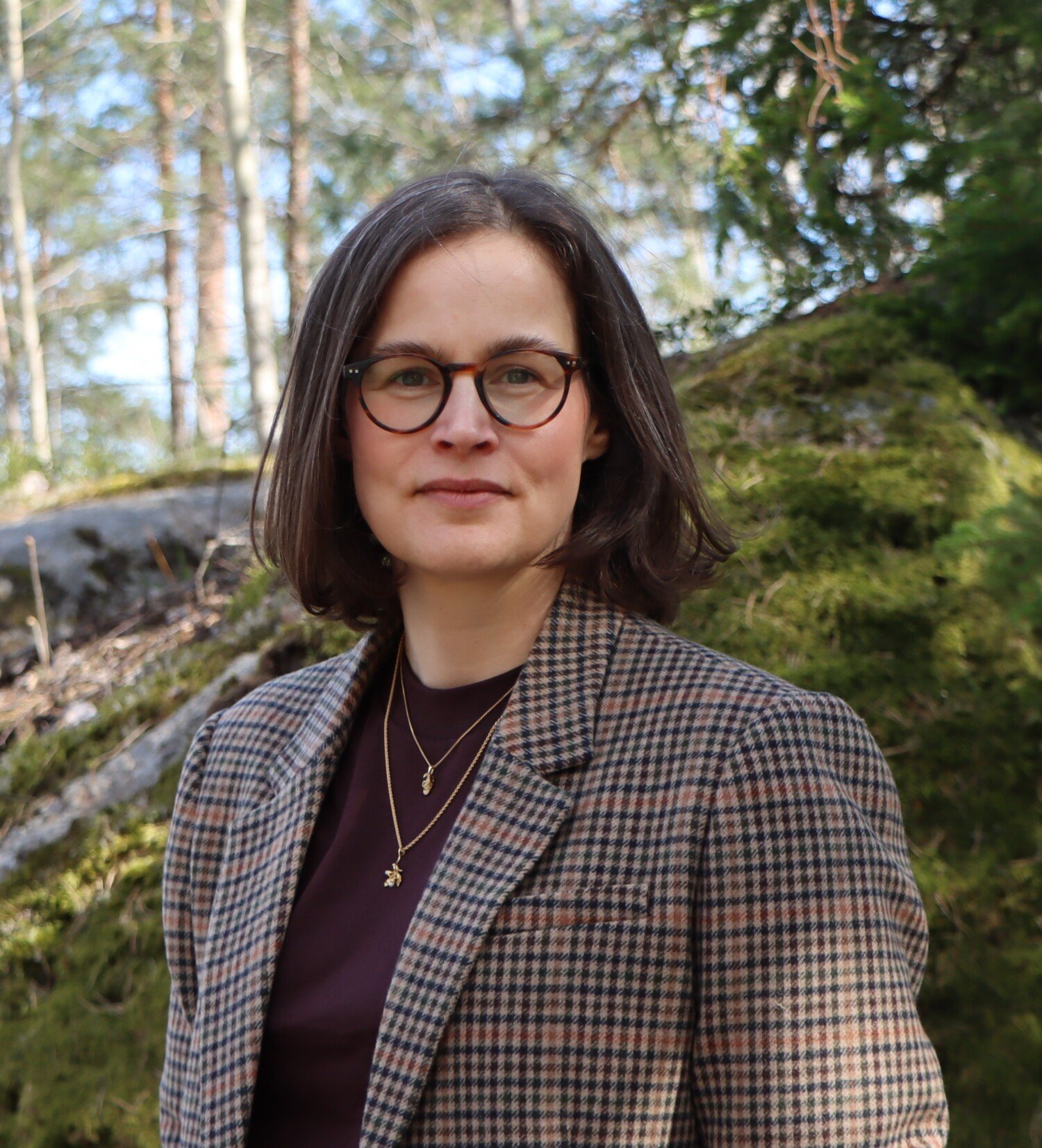
"The thesis examines long‑term health outcomes and rehabilitation in people with post‑COVID‑19 condition (long COVID), with a specific focus on individuals who were not hospitalised for COVID-19. By following physical and mental function over time, the project addresses an important knowledge gap and evaluates whether targeted rehabilitation can support recovery," says Anna Törnberg, PhD student at the Department of Neurobiology, Care Sciences and Society.
Which are the most important results?
"The results show that many people with long COVID experience persistent impairments in both physical and mental health, as well as low levels of physical activity, up to 2.5 years after infection. Early functional impairments were associated with poorer long‑term self‑rated health, and low physical activity combined with prolonged sedentary time was particularly common among individuals with postural orthostatic tachycardia syndrome (POTS), a condition characterised by an abnormal increase in heart rate upon standing."
"Inspiratory muscle training combined with physical exercise led to improvements among those able to participate, although individualised adaptations were needed to accommodate limiting symptoms."
How can this new knowledge contribute to the improvement of people’s health?
"The findings emphasise the importance of comprehensive assessment, covering both physical and mental health, to identify individuals at risk of long‑term impairment. The results also show that while rehabilitation for long COVID can lead to improvements, it is demanding and requires individualised, flexible approaches that adapt to symptom fluctuations."
What’s in the future for you? Will you continue to conduct research?
"I will continue working with follow‑up studies in long COVID, using activity monitors to track physical activity patterns over longer time periods. We are also studying physiotherapists’ experiences of working with people with long COVID. In parallel, I combine research with clinical work in respiratory care."