
KI awarded four doctoral student projects in major BMA education initiative
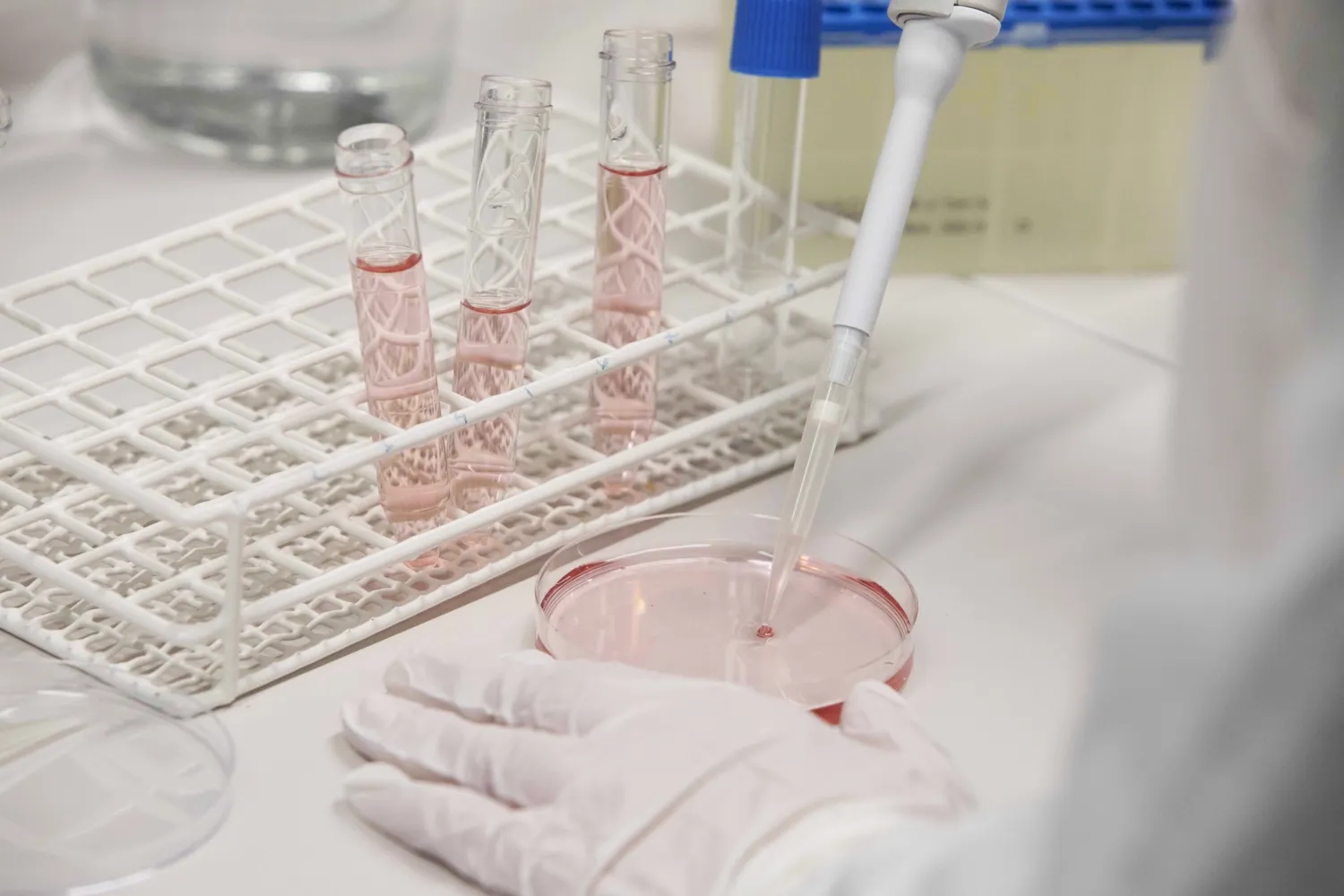
KI is awarded four doctoral student projects within the research school BioLabX, with funding for research and resources that strengthen the laboratory science teachers of the future.
Each approved project is funded with 2.5 mSEK per doctoral student. In addition, each doctoral student receives a resource allocation of 25,000 SEK for travel and other expenses.
Allocated projects from KI
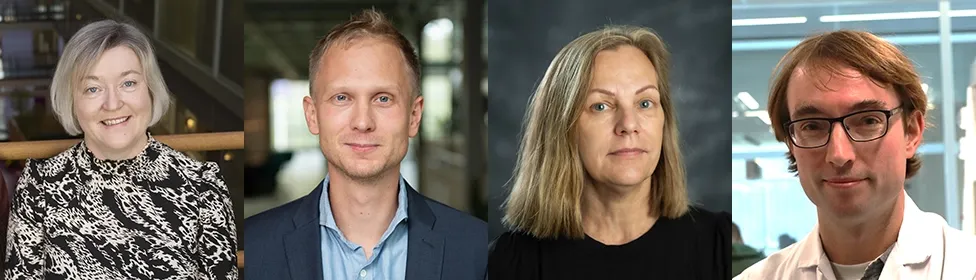
Annika Karlsson, Department of Laboratory Medicine
Project: Early-life HIV and antiviral immune memory: From mechanisms to clinical and educational impact
Joel Nordin, Department of Laboratory Medicine
Project: Optimising CAR T therapy: Hospital-based HDR CAR T production and predictors of cell harvest and clinical outcome
Lena Ekström, Department of Laboratory Medicine
Project: Exploration of dried blood matrices in bioanalysis and their implications for clinical pharmacology
Maarten van de Klundert, Department of Medicine, Huddinge
Project: Implementation of advanced HIV reservoir diagnostics to enable personalised treatment and safe use of long-acting antiretrovirals
About BioLabX
BioLabX is a collaboration between the University of Gothenburg, Karolinska Institutet, Linköping University, Malmö University, Umeå University, Uppsala University and Örebro University, created as part of the Government’s initiative to train more teachers for health and medical education programmes and funded by the Swedish Research Council (2026–2031).
The BioLabX graduate school aims to promote collaboration and knowledge exchange between healthcare and academia, where doctoral students with a biomedical laboratory science background will develop into the teachers of the future. The graduate school seeks to strengthen both research in the field, teaching methodology, and teaching competence within biomedical laboratory science, focusing on both laboratory medicine and clinical physiology.