
Karolinska Institutet receives half-billion donation for dementia research
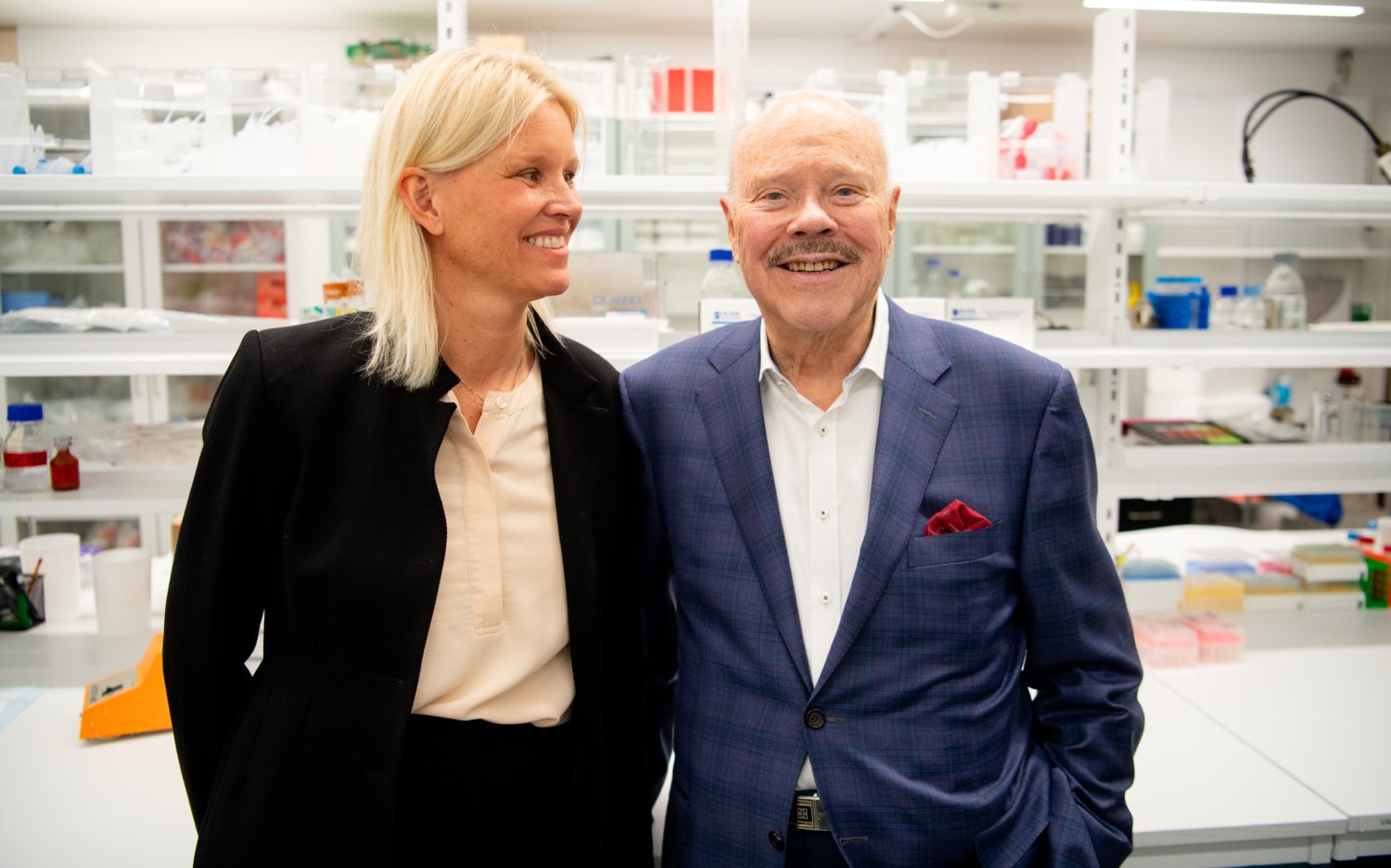
Entrepreneur and inventor Leif Lundblad (1938–2025) has bequeathed SEK 538 million to Karolinska Institutet, the largest donation ever to have been made to a Swedish university in modern times. Much of the sum will go towards research on dementia diseases.
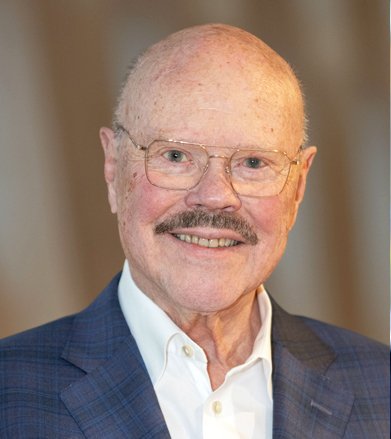
Leif Lundblad passed away in October 2025 at the age of 87. He was known as the father of the bank-note dispenser found in ATMs, an invention that revolutionised cash handling and bank services around the world. Over the years, he helped finance many research projects at KI in such fields as pain, Alzheimer’s disease, COVID-19 and AI.
In his testament, he has bequeathed the unprecedented sum of SEK 538 million, primarily for research into neurodegenerative (dementia) diseases, of which Alzheimer’s disease is the most common.
The donation is also to go towards research on diseases with a major impact on public health, including chronic pain and autoimmune diseases.
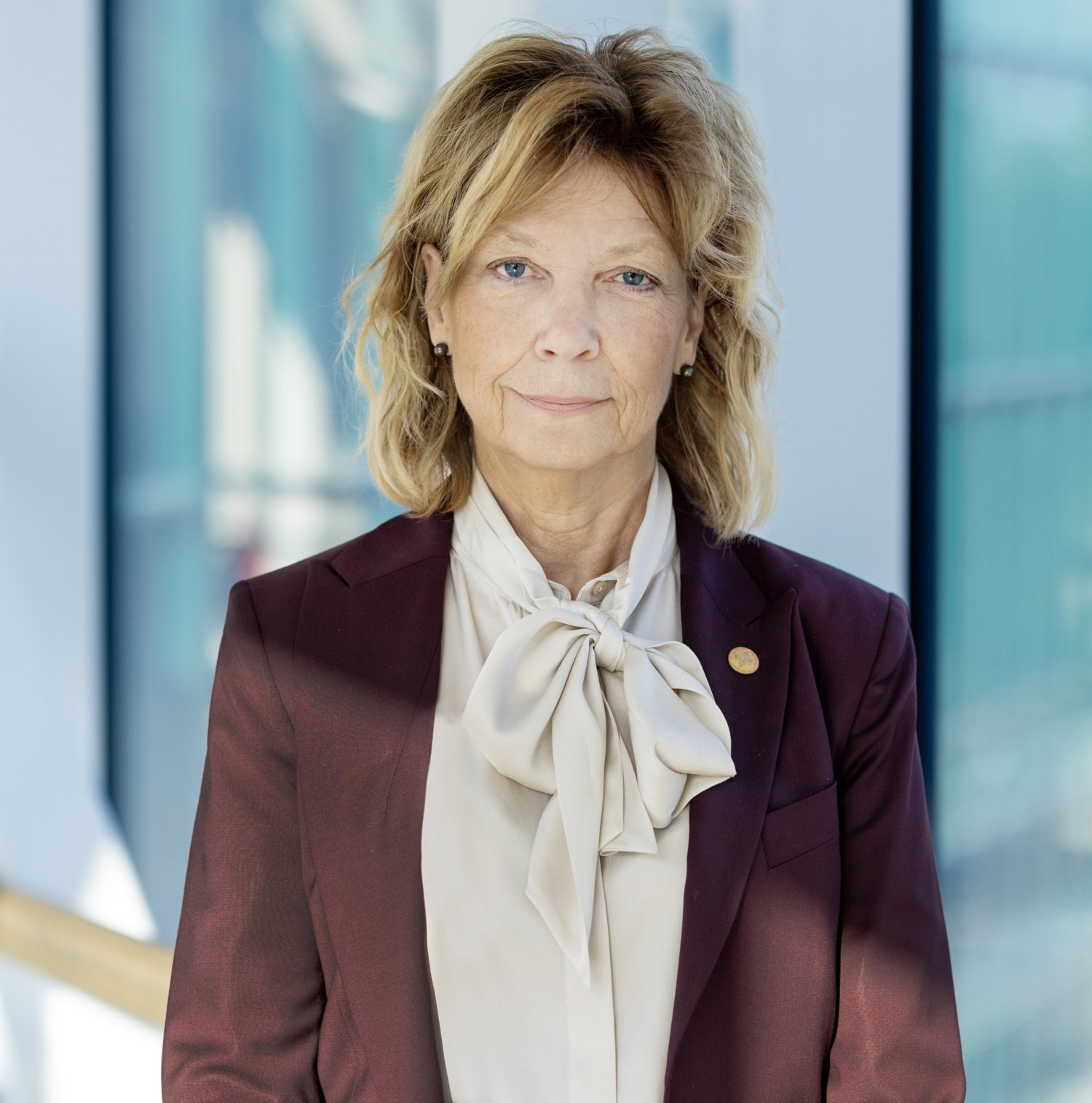
“It’s an incredibly generous gift that Leif Lundblad has made to Karolinska Institutet and we are exceedingly grateful for his intention and commitment,” says KI president Annika Östman Wernerson. “The donation will be of enormous benefit to research into dementia and other diseases that affect large sections of society.”
Genuine interest in innovative research
Leif Lundblad was a philanthropist and it was his curiosity as an inventor that drew him to medical research. He was made an honorary doctor at Karolinska Institutet in 2025.
“My father had a genuine interest in innovative scientific ideas and the problems they could solve,” says daughter Ulrika Lundblad. “The enthusiasm he felt when meeting researchers at Karolinska Institutet was palpable. By virtue of this donation, we, his family, are very much looking forward to following and being part of future breakthroughs.”
“Dementia diseases” is an umbrella term for diseases the affect cognitive functions such as memory, language, planning and orientation skills. They affect approximately 140,000 people in Sweden, a figure that is expected to double by 2050.
Early diagnosis and novel treatments
Aims of the research being done in this field include improving methods of early diagnosis, developing novel treatments and increasing knowledge of the diseases’ underlying mechanisms.
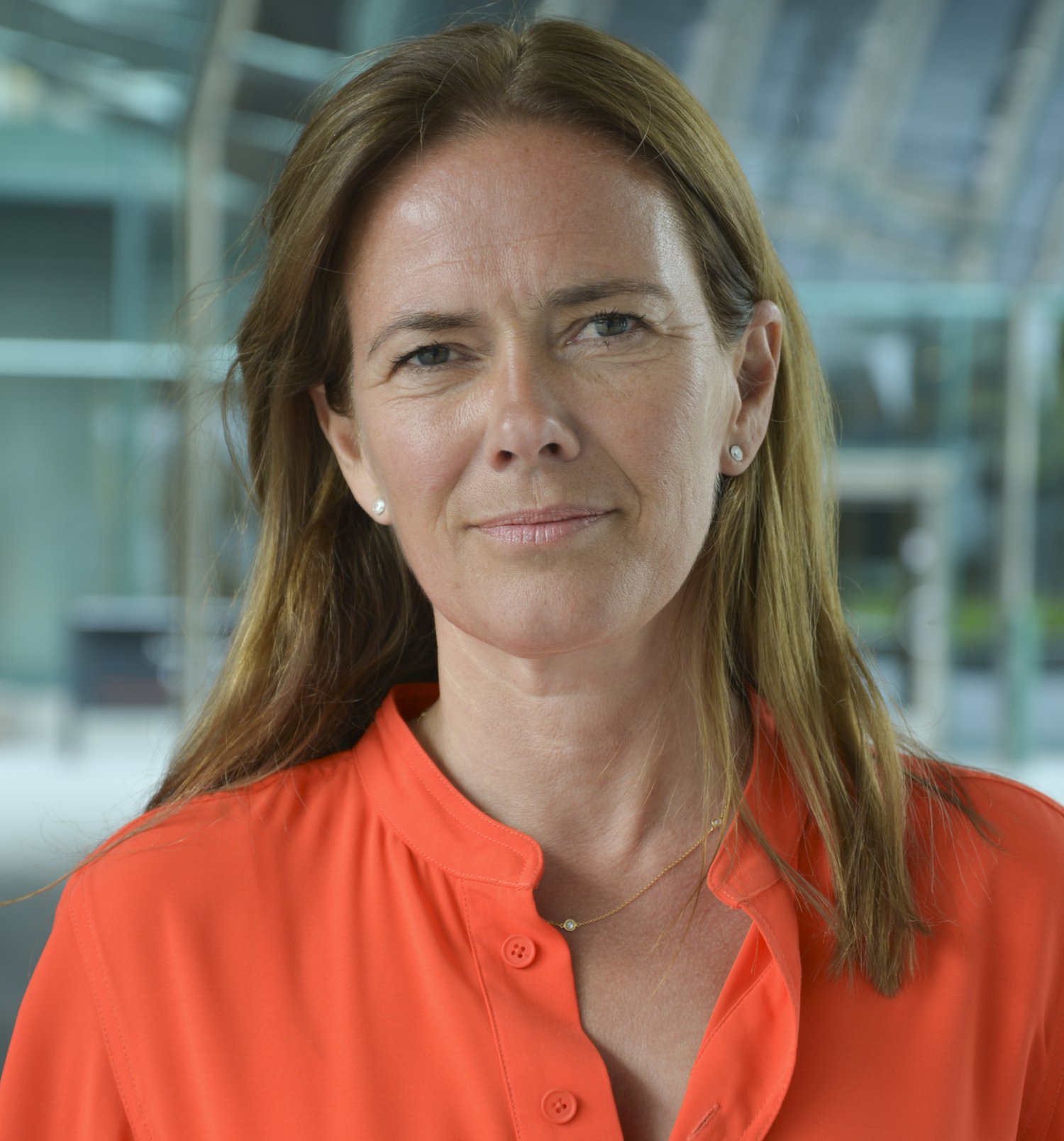
“This is the largest donation to have been made to a Swedish university in modern times,” says head of the Development Office Jenny Löhr, who works with donor relations at KI. “We’re seeing a growing interest in philanthropy in Sweden, and more and more people seeking to get involved in helping to solve the world’s greatest health challenges. Leif Lundblad’s generosity will enable innovative projects and make a profound impact on Swedish dementia research.”
Of the 538 million kronor donation, 500 million will go towards research funding, awarded annually on a competitive basis to KI researchers; 30 million will go towards a professorship; and 8 million will go towards KI’s Prize for Innovation and Utilisation.