

Hair samples from historical composers meet modern genetics
Researcher and concert pianist Fredrik Ullén is launching a research project exploring how the interplay between heredity and environment influences musical performance. The project is a collaboration between Karolinska Institutet and the Max Planck Institute and is made possible by a generous donation from the philanthropist Marcus Storch.
The aim is to gain a deeper understanding of brain plasticity and the mechanisms underlying learning and creativity.
The research project seeks to collect and integrate genetic information, psychological factors and knowledge of musical behaviour within a single research database. The goal is to deepen understanding of how the brain is shaped by decades of musical practice, and to identify the biological mechanisms underpinning musical expertise.
Hair samples
Material for the research database will be drawn both from practising professional musicians today and from renowned historical composers and musicians, whose preserved hair samples make it possible to analyse genetic inheritance long after their lifetimes. In parallel, an in-depth study of the brain will be conducted in a selected group of participants, using cutting-edge ultra-high-field MRI technology.
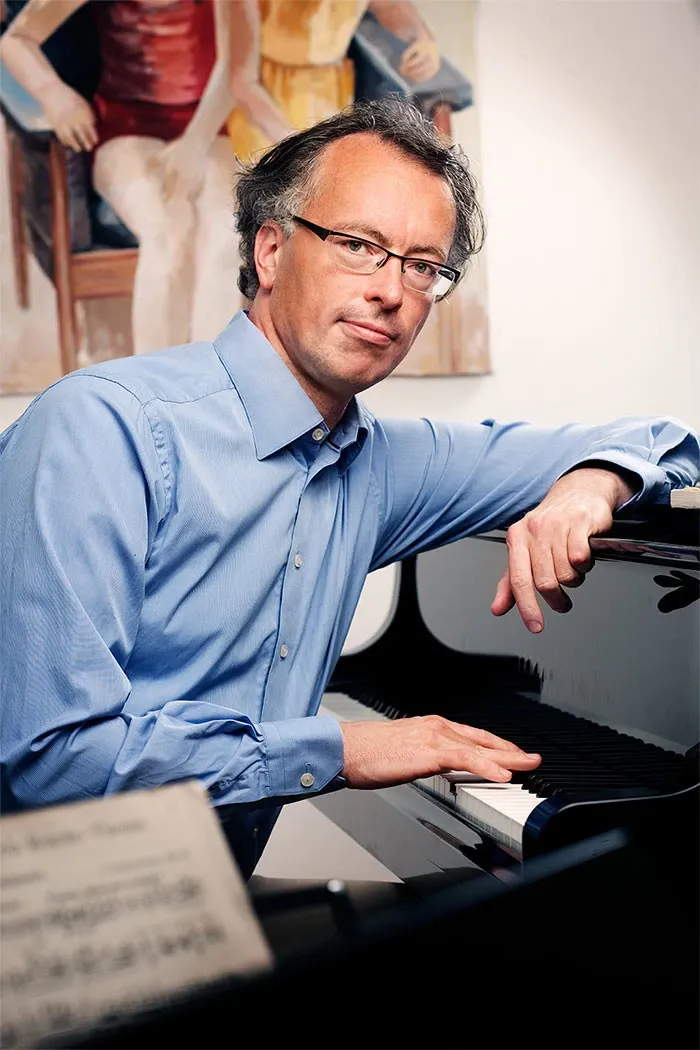
“Today, we know that learning, expertise and creativity depend on a complex interaction between training, heredity and environment. Musicians are an excellent model group in which to study this more closely. Molecular genetic research on music is still at an early stage, and we are deeply grateful that Marcus’s donation enables us to take a major step forward and to build this research database,” says Professor Fredrik Ullén, the Department of Neuroscience, Karolinska Institutet, and director at the Max Planck Institute for Empirical Aesthetics in Frankfurt.
Flow and mental illness
Among other things, the project will investigate how genetic factors and environmental influences interact in the development of skills among professional musicians. Performance anxiety will also be studied, with a particular focus on how genetic vulnerability may be mitigated by protective factors.
Another area of interest is the experience of so-called “flow”, which can occur, for example, during music-making, and how it may reduce the risk of mental illness. The aim of the project is not to predict who will become a successful musician, but to understand the processes underlying the human capacity to acquire new skills and generate new ideas, and how these processes can best be adapted to the individual.
“My interest in music, combined with my strong commitment to research—particularly medical research—makes this project especially important to me. It is something I very much look forward to following with both curiosity and pleasure,” says Marcus Storch, philanthropist and founder of the Tobias Register.