

Karolinska Institutet and Danderyd Hospital receive SEK 6.2 million for epilepsy research
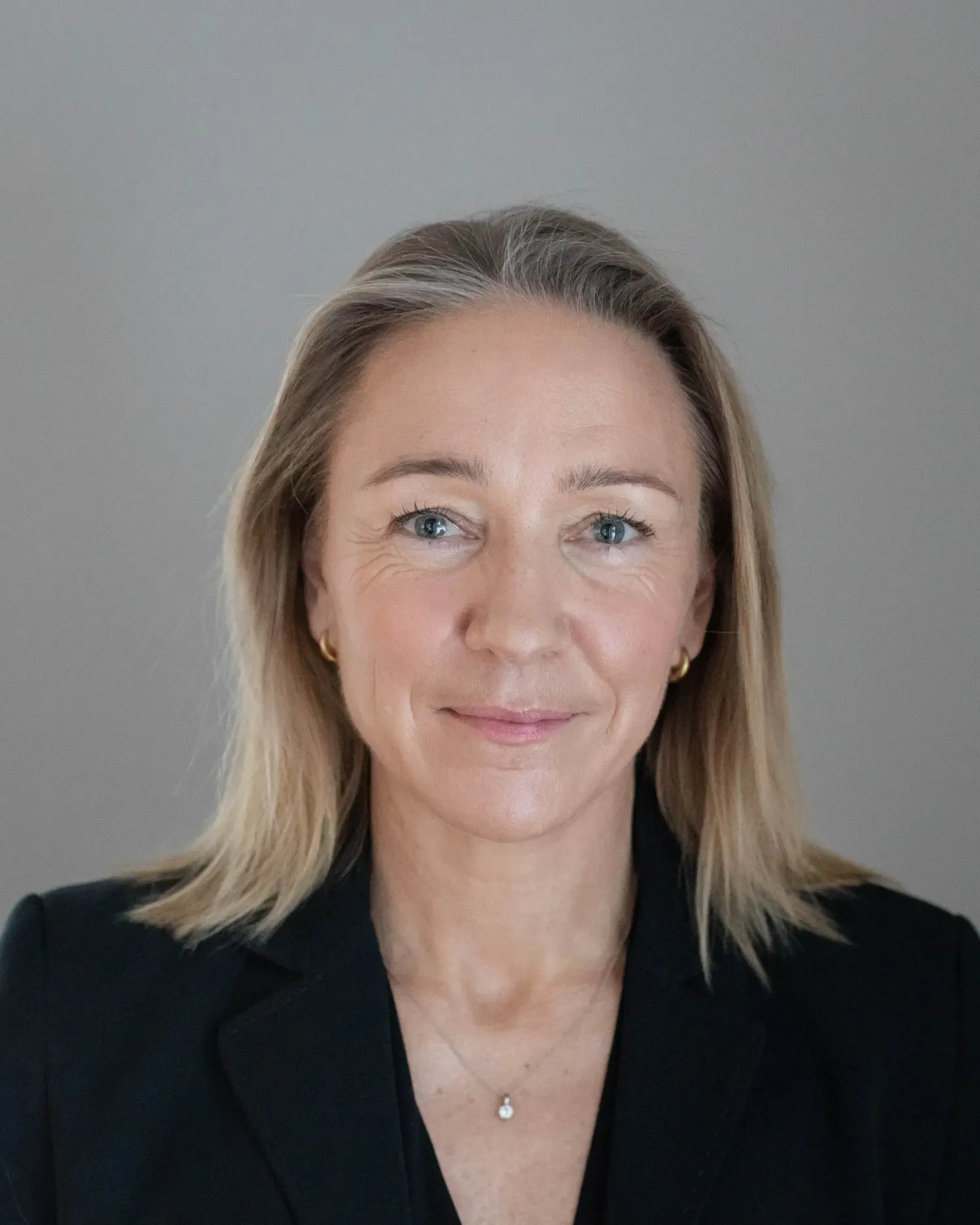
Dr Ann-Sofie Rudberg, a researcher at Karolinska Institutet and a neurologist at Danderyd Hospital, has received significant grants from the Kamprad Foundation and the Swedish Epilepsy Fund for research into drug-resistant epilepsy and dietary treatment.
Epilepsy is the most common chronic neurological disease after migraine, and in Sweden about 81,000 people have epilepsy, of whom one third have drug-resistant epilepsy. Drug-resistant epilepsy is associated with psychiatric comorbidity, reduced quality of life and an increased risk of sudden death.
Ketogenic dietary treatment is used for drug-resistant epilepsy and is a well-established treatment for severe epilepsy in children. However, it is rarely used as a treatment for adult patients with epilepsy. There are also no studies on how dietary treatment affects the quality of life for patients and their relatives.
The current project is investigating whether dietary treatment can help adult patients with drug-resistant epilepsy. The researchers are studying a modified ketogenic diet, which has previously shown good results but is rarely used in Sweden for this patient group. The aim is to find out how the diet affects quality of life, seizure frequency, cognitive functions, sleep, side effects and medication levels. The project follows participants for up to two years and also collects long-term data from national registers. Biological samples are stored for future analysis, which may provide new insights into the causes of epilepsy and possible treatments. The results could pave the way for more individualised and effective epilepsy care in the future.
The project is a collaboration between the epilepsy team at Danderyd Hospital, Karolinska Hospital and Karolinska Institutet. The epilepsy team includes doctors, nurses, dieticians and neuropsychologists, all of whom will play an important role. The lead researcher is neurologist Ann-Sofie Rudberg.
If you would like to read more about epilepsy and current epilepsy research, please visit epilepsi.se