

Thiazide diuretics increase the risk of low sodium levels in older people

Older people, particularly women, who start treatment with thiazide-type diuretics are at increased risk of developing low sodium levels in the blood. This is shown by a large registry study from the Karolinska Institutet published in the journal JAMA Network Open.
Thiazides are a common group of medicines used to treat high blood pressure. In some cases, however, treatment can lead to hyponatraemia, a condition in which the level of sodium in the blood becomes too low. Low sodium levels can cause symptoms such as fatigue, nausea, confusion and, in severe cases, seizures.
In the study, the researchers compared the risk of hyponatraemia in people who started treatment with thiazides with the risk in people who were instead given calcium channel blockers, another type of blood pressure medication. The study included a total of 159,080 adults in the Stockholm area and is based on data from the so-called Stockholm Sodium Cohort.
The researchers from KI SÖS, Department of Laboratory Medicine and Department of Molecular Medicine and Surgery at KI, followed the participants for the first two years after the start of treatment. The risk was particularly high among older women. Among women aged 80 or over, 2.4 per cent developed severe hyponatraemia. For this group, this meant that one in 53 people treated was affected. In women under 65, however, the risk was low.
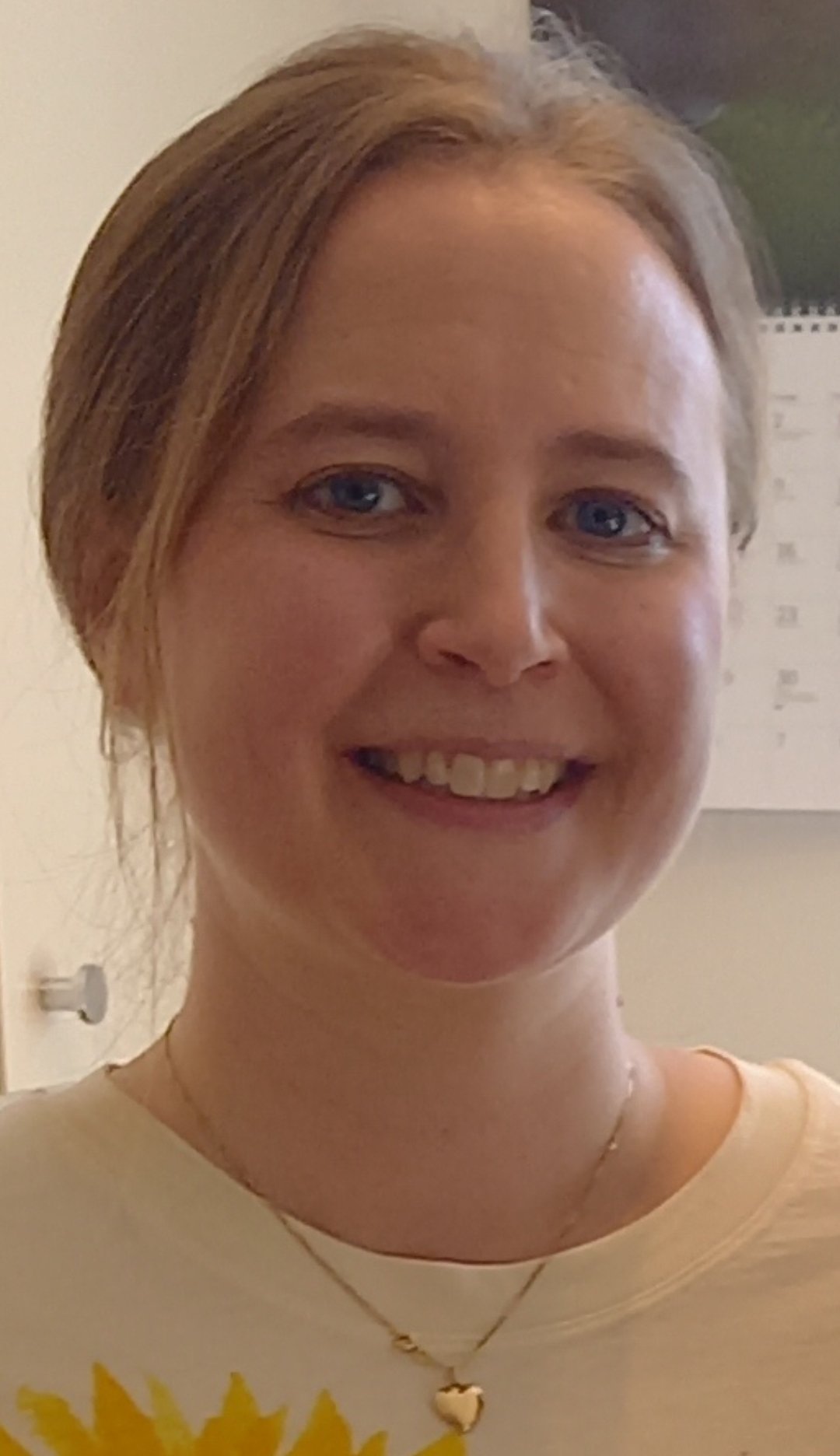
“Our findings show that the link between thiazides and low blood sodium levels is very weak in younger people, but clear in older people, particularly in women,” says Cecilia Bergh Fahlén, a PhD student at the Department of Clinical Science and Education, Södersjukhuset, Karolinska Institutet.
The researchers believe that the findings may inform clinical decisions regarding the treatment of high blood pressure.
“For vulnerable patients, such as older women, there may be good reasons for considering alternative blood pressure medications. If thiazides are used nonetheless, it is important to monitor sodium levels in the blood”, says Cecilia Bergh Fahlén.
Publication
Bergh Fahlén, C., Falhammar, H., Skov, J., Lindh, J. D., & Mannheimer, B. (2026). Thiazides and Risk of Hyponatremia by Age and Sex. JAMA network open, 9(4), e264642. https://doi.org/10.1001/jamanetworkopen.2026.4642