
Identifying research priorities on sexual and reproductive health and rights
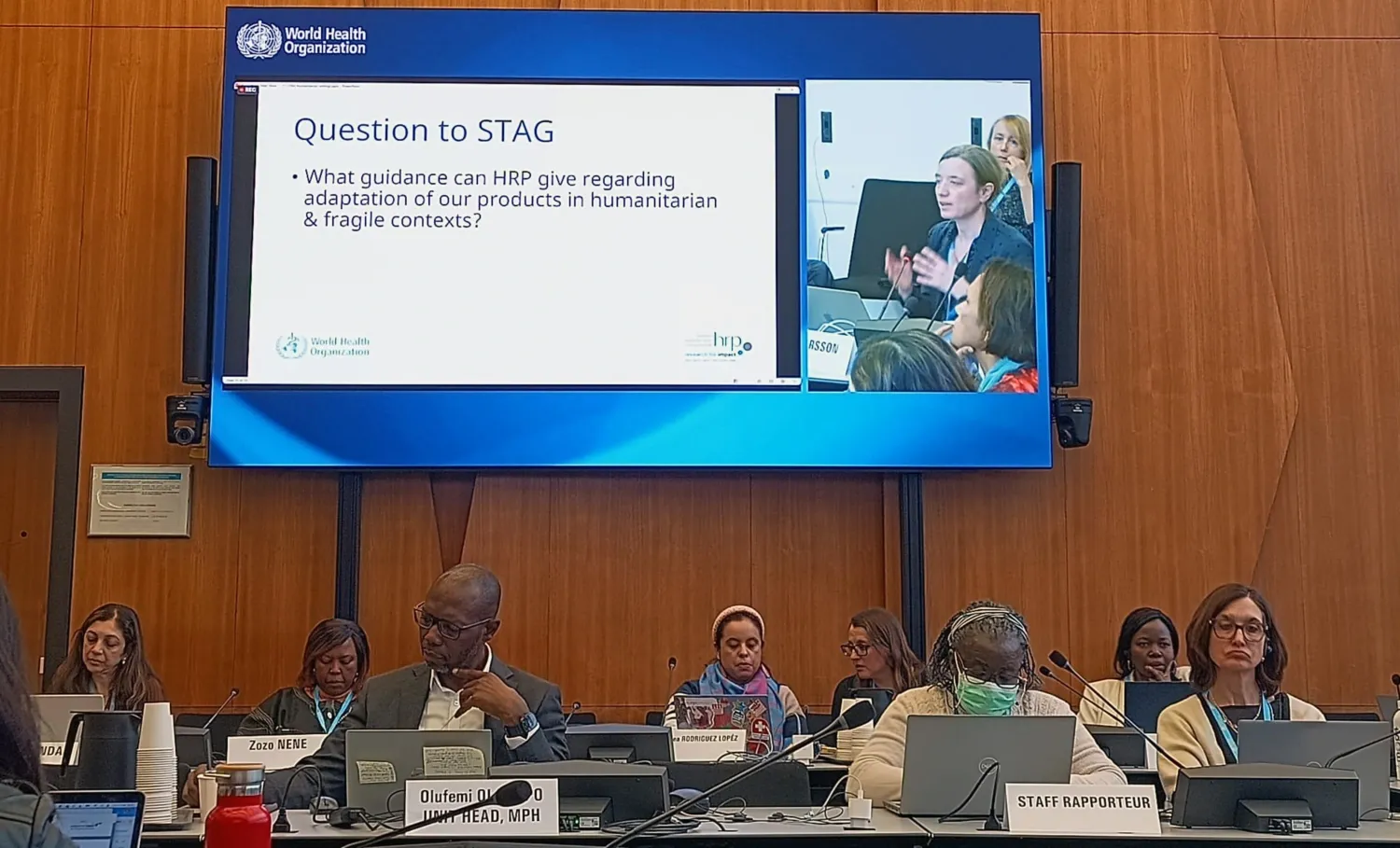
In February, Elin Larsson and Claudia Hanson participated in the annual meeting of the Scientific and Technical Advisory Group to the UN Human Reproduction Programme.
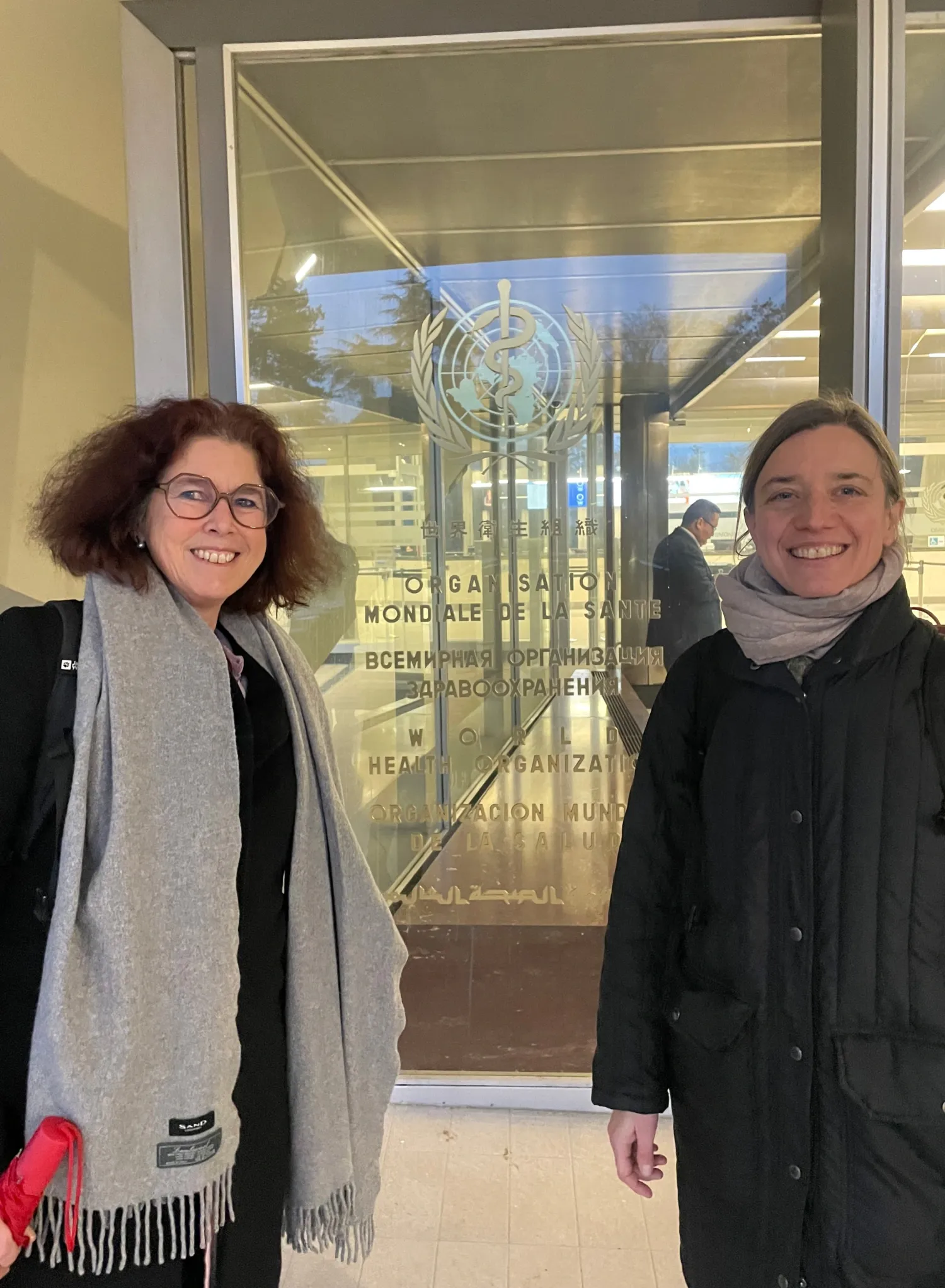
In 2022 Elin Larsson, principal researcher at the Department of Global Public Health, joined the Scientific and Technical Advisory Group (STAG) as a temporary member, as per usual practice, and since then she has participated as a full member, now in her second 3-year period. This year Caludia Hanson, senior lecturer at the same department, joined STAG as a temporary member.
During the three-day meeting held on 11–13 February, presentations were given about the work of the UN Human Reproduction Programme (HRP), the progress during the last year and plans for the coming year. Scientific input was also provided. Elin and Claudia were discussants for the HRP work, specifically SRHR horizon scanning & research agenda setting (Claudia) and Humanitarian settings: HRP product dissemination, adaptation and uptake (Elin).
About the Human Reproduction Programme
HRP is the main body within the UN system for identifying research priorities on sexual and reproductive health and rights; for promoting, conducting, evaluating and coordinating related interdisciplinary research; for collaborating with countries to build national capacity to conduct research; and for promoting the use of research results in policymaking and sexual and reproductive health programmes.
HRP is administered through the World Health Organization’s Department of Sexual and Reproductive Health and Research (SRH). The programme supports and coordinates research globally, synthesizes research through systematic reviews of literature, and contributes to research capacity in low-income countries, and develops dissemination tools to make efficient use of research evidence. HRP covers areas such as abortion, contraception, maternal and perinatal health, capacity building, health systems, gender, etc.
HRP is guided by a Scientific and Technical Advisory Group (STAG), which is the principal advisory body for HRP and meets annually to review progress in scientific studies, to recommend priorities and to advise on the allocation of resources. STAG reviews the content, scope and dimensions of the Special Programme, including the research areas covered and the approaches to be adopted; recommends priorities within the Special Programme, including all scientific and technical activities related to the Special Programme; provides a continuous and independent evaluation of the scientific and technical aspects of all activities of the Special Programme; and reviews the plans of action and the budget of the Special Programme during each financial period.