

Farzana 's doctoral research focuses on care for older people
Farzana Rahman is a clinical physiotherapist with a strong interest in improving eldercare. Her doctoral thesis focuses on health and social care for older people, with particular emphasis on home healthcare and home help.
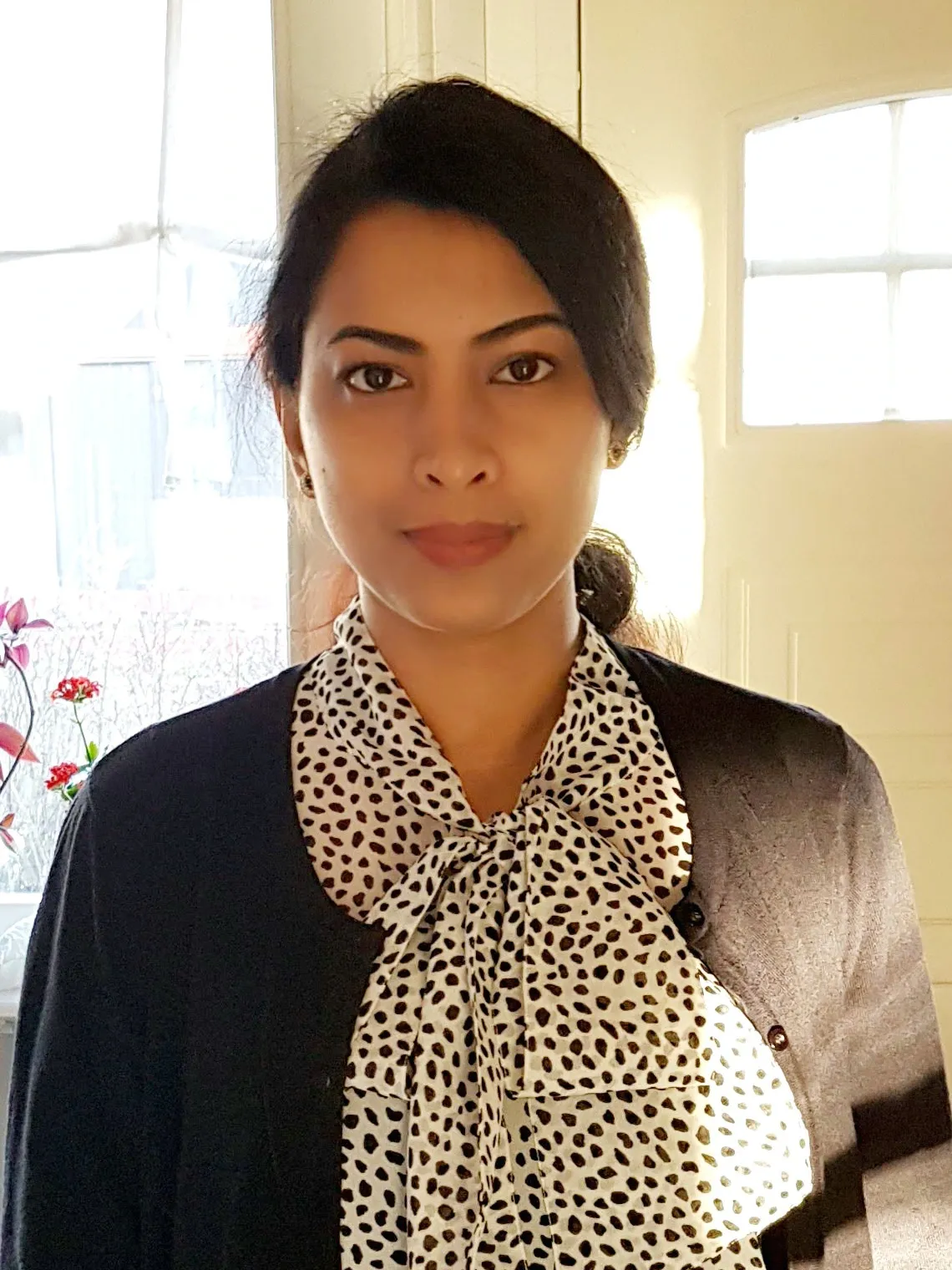
Farzana Rahman, PhD student
Research group: Equity and Health Policy (EHP)
Supervisor: Ann Liljas
Thesis title: How can the structure and collaboration of health and social care for older people with complex care needs in Stockholm be improved?
Could you tell us a bit about your background and what led you to pursue doctoral studies at KI?
"I am a clinical physiotherapist by background with a master’s degree in public health, specialized in geriatric care. I have a strong interest in pursuing research focused on improving eldercare. My research project closely aligns with my interests and professional background, which I really enjoy."
What is your doctoral thesis about? What is the overall aim of your research?
"My doctoral thesis focuses on health and social care for older people, with particular emphasis on home healthcare and home help. The overall aim of my PhD project is: How can the structure and collaboration of health and social care for older people with complex care needs in Stockholm be improved?"
If any so far – what have been the most surprising or significant findings?
"The most surprising aspect of my doctoral research so far has been how much it has changed from my original research plan to the current work I am undertaking. The major finding of one study indicates that in Region Stockholm, older adults with lower incomes are more prone to receive both basic and advanced home healthcare services."
What has been the most rewarding part of being a PhD student at KI?
"The most rewarding part of being a PhD student at Karolinska Institutet has been being part of a globally recognized academic environment known for excellence in medical research. The international interaction and collaborative culture have greatly contributed to my professional growth. These experiences have strengthened my future career opportunities and given me skills that I can apply in both research and clinical practice."
Have you had any collaborations that have been particularly important for your development as a researcher?
"Yes, I have established strong collaborations with the Swedish National Graduate School on Ageing and Health (SWEAH), Social Inequalities in Ageing (SIA), and the Ageing Research Centre (ARC), which have continuously supported the development of my research skills. This has also enhanced my understanding of current research in eldercare, strengthening my critical thinking and approach in my own work."
What advice would you give to new PhD students who are just starting their research journey?
"Stay curious and open to learning. I have found it useful to build strong networks from the very beginning by engaging with colleagues and attending conferences. Also, be prepared to be patient as research is a long process."