
Hybrid doctoral course strengthens competence in sustainable health and the 2030 Agenda
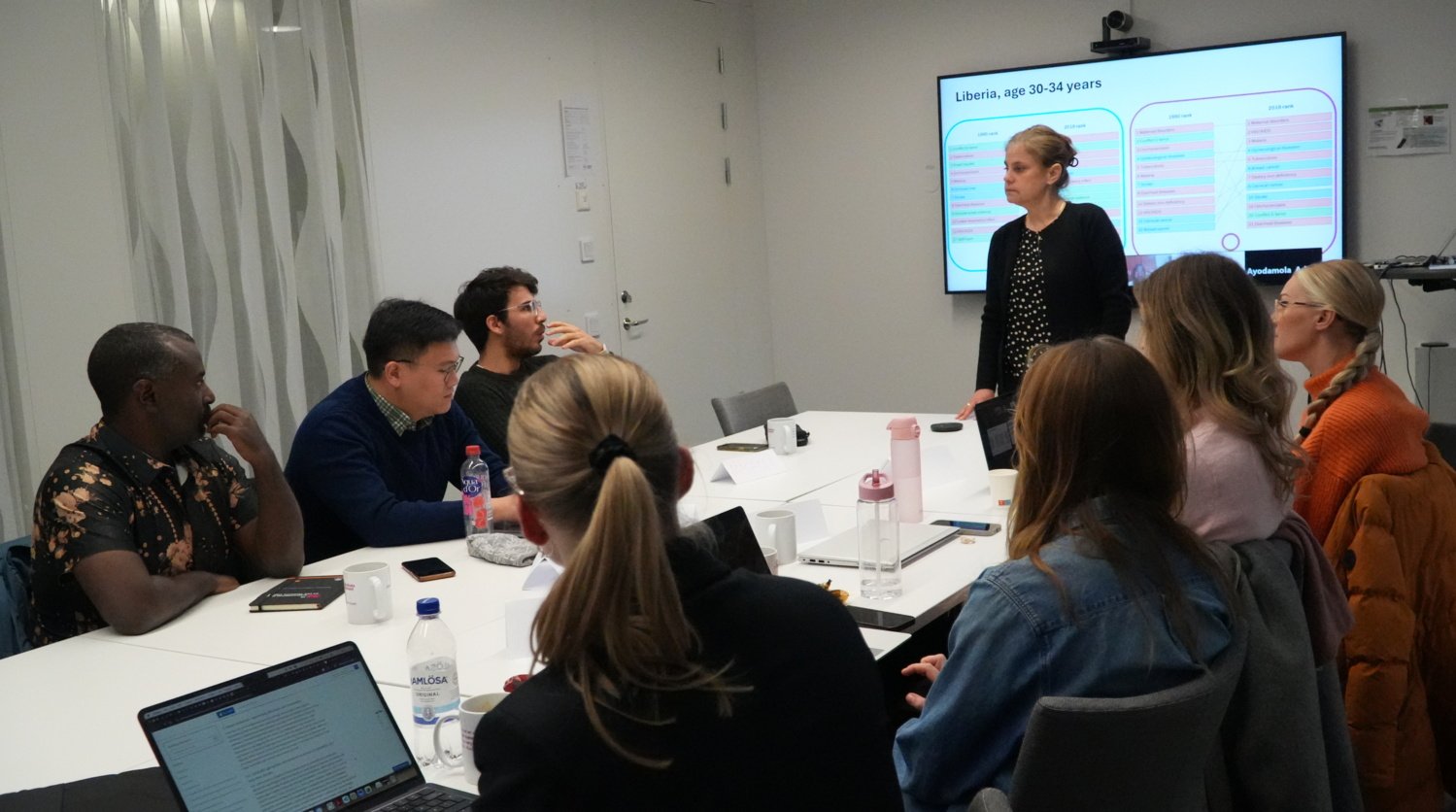
During 1–10 December 2025, doctoral students participated in the hybrid doctoral course “Sustainable Health and the 2030 Agenda." The course provided students and early-stage researchers with an in-depth orientation to sustainable health within the framework of the 2030 Agenda for Sustainable Development, including the interconnections between the Sustainable Development Goals and global public health. The course will be given again in December 2026.
A holistic approach to sustainable health
The course was delivered by the Centre of Excellence for Sustainable Health (CESH), and the Department of Global Public Health within the Doctoral Programme in Health Care Science (PUF-V). The course examined sustainability from ecological, social and economic perspectives, emphasising the complexity of today’s global health challenges. Through lectures, seminars, literature studies, group work, and individual reflections, the participants explored a broad set of themes, including:
- Climate change and health
- Sustainable and planetary diets
- Economic and social dimensions of health and development
- Gender and health
- Values, norms and education for sustainability
- Systems thinking and multisectoral collaboration
Students were encouraged to connect these concepts to their own doctoral research, applying systems thinking and analysing the interlinkages across the SDGs, with a particular focus on SDG 3 (Good Health and Well-being). The structure of the course allowed for progressive exploration: beginning with foundational sustainability concepts, moving into group-based problem analyses, and concluding with individual essays and presentations evaluated by the course examiners.
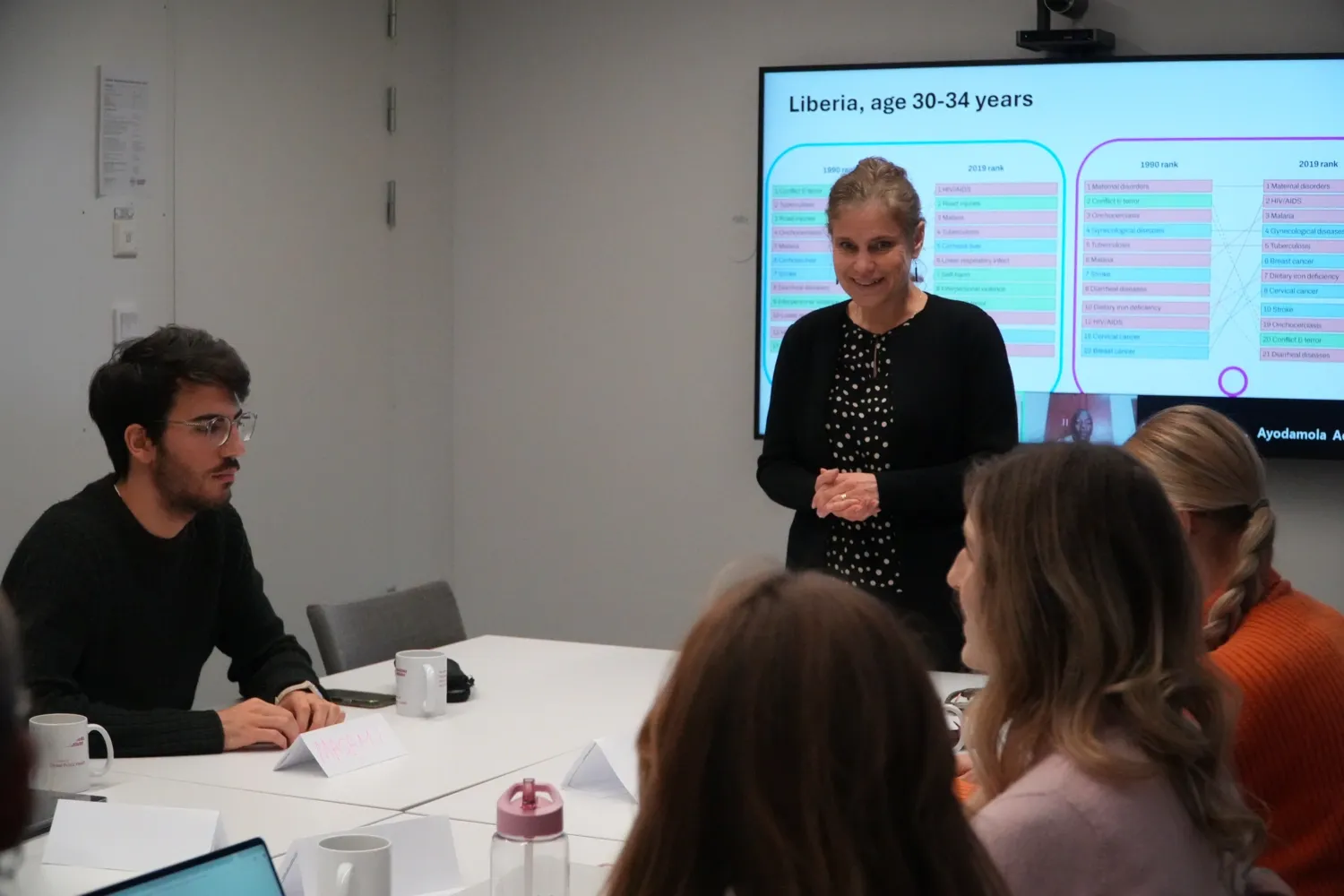
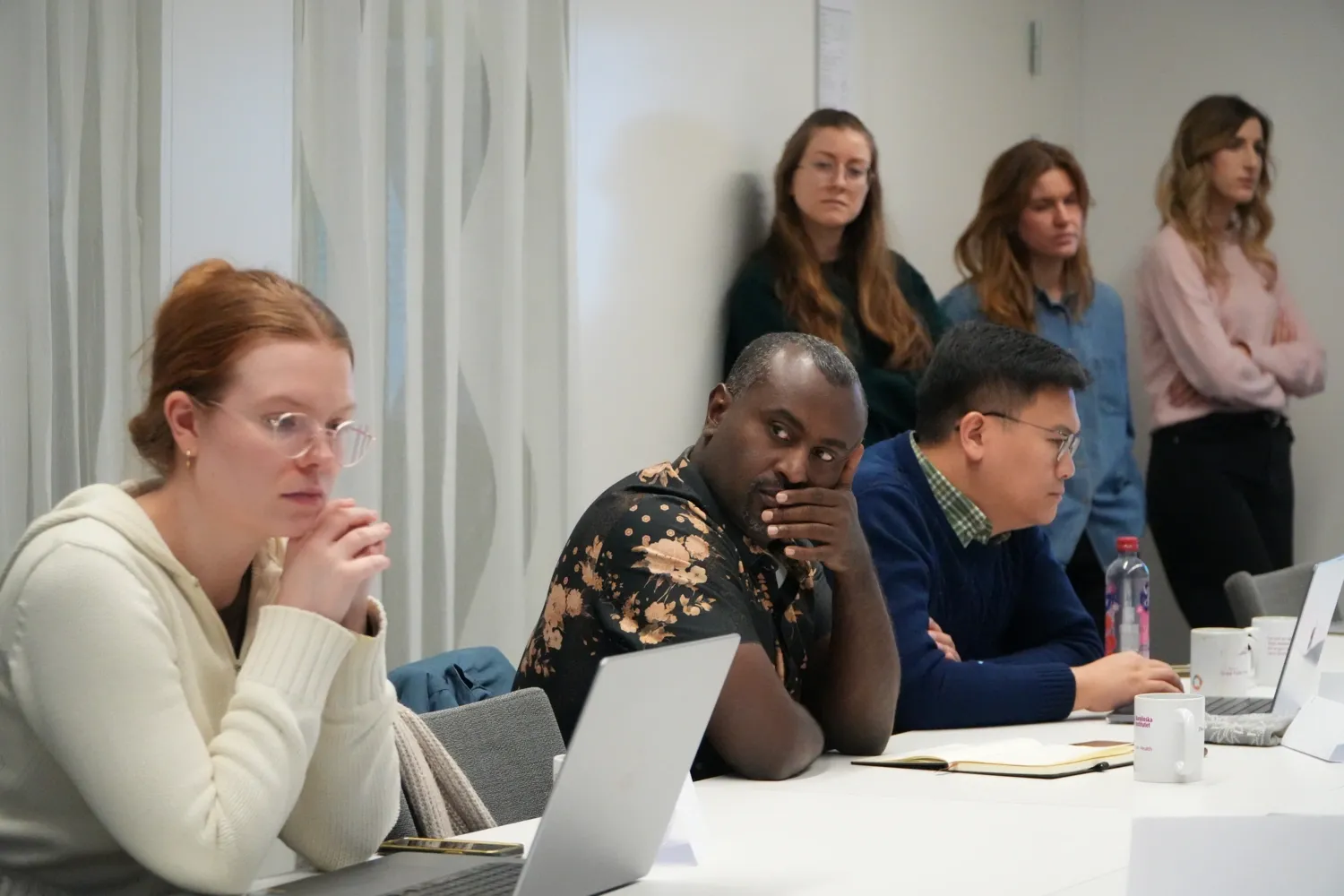
Through active discussions, collaborative exercises and critical reflection, learners engaged deeply with real-world sustainability challenges such as climate change, poverty, inequity, and the social determinants of health. These interactions highlight the central role that education and capacity building play in advancing sustainable health – one of CESH key areas.
Making impact visible through education
Much of CESH work focuses on strengthening capacity for sustainable health through long-term partnerships, research collaboration, and knowledge exchange. As impact within this domain can often be difficult to illustrate through individual activities, this course provides a concrete example of CESH mission translated into practice.
The course not only equips students and future leaders with a global perspective on these topics, but also strengthens their ability to analyse complex health and development issues from a multidisciplinary and multisectoral viewpoint. By linking the SDGs to their own research, the participants develop skills that can support evidence-informed policy, innovation and system-wide solutions.
"The course was very well structured and intentionally planned to encourage active student participation."
Contributors and Leadership
The course was coordinated by course director Nina Viberg, with contributions from a team of lecturers and experts across global public health and sustainability, including:
- Stefan Swartling Peterson
- Anne Charlotte Bunge
- Tobias Alfvén
- Nikolaus Mezger
- Susanne Guidetti
- Amani Eltayb
- Anna Kågesten
- Thorkild Tylleskär
Their expertise ensured that students received both theoretical grounding and practical insights into the challenges and opportunities of sustainable development.
A meaningful contribution to global health
The success of this course demonstrates how academic initiatives can foster the competencies required to address some of the world’s most urgent health and development challenges. By offering structured, interdisciplinary learning opportunities, CESH supports the broader mission of Karolinska Institutet to advance knowledge and improve human health globally.
The Centre of Excellence for Sustainable Health continues to prioritise education as a core component of its work, contributing to stronger health systems, enhanced research capacity and more sustainable societies. As this year’s course illustrates, structured learning environments remain vital for shaping the next generation of leaders in global public health.
Text, photos and film: Kseniya Hartvigsson
The course will be given again in December 2026, both online and on site at Karolinska Institutet. Doctoral students from KI and other universities, including Makerere University in Uganda, are welcome to apply.
Please contact Nina Viberg to explore opportunities to teach on the course.