
Clue to how muscles weaken in dermatomyositis opens door to new drug treatments
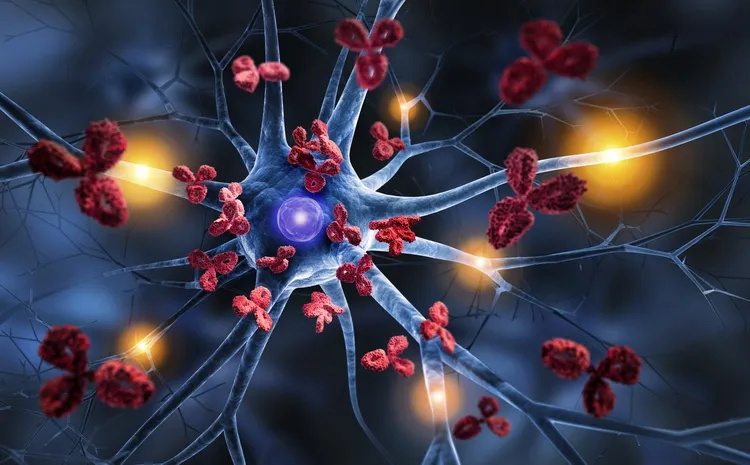
Factors in the blood of patients with dermatomyositis can impair muscle function by activating a specific inflammatory pathway. This is shown in a new study from Karolinska Institutet published in Annals of the Rheumatic Diseases. The results suggest that drugs that block this signalling could counteract muscle weakness.
Dermatomyositis is an autoimmune disease that causes muscle weakness and inflammation in both muscles and skin. The disease is debilitating, associated with an increased risk of other conditions such as heart disease, and is associated with higher mortality rates. Despite this, the mechanisms underlying the impaired muscle function and how it can be treated have long remained unclear.
In the present study, the researchers used an experimental platform to isolate the effects that factors in the blood have on a muscle. In this way, they were able to study what happens in a muscle that becomes weakened when exposed to serum, a cell-free blood fluid, from patients with dermatomyositis.
The researchers observed that healthy muscles lost strength after exposure to patient serum, whereas serum from healthy individuals did not affect muscle strength. When the researchers blocked the type I interferon receptor or inhibited the subsequent JAK/STAT signaling pathway, the disease-inducing effect of the patients’ serum was curtailed.

“Our findings suggest that blood-borne factors in patients with dermatomyositis activate the type I interferon system in muscle tissue, and that this can directly impair the muscle’s ability to generate force,” says Daniel C. Andersson, associate professor and specialist physician at the Department of Physiology and Pharmacology at Karolinska Institutet and the Division of Cardiology at Karolinska University Hospital.
To understand which signaling pathways are affected, the researchers analyzed gene expression in the muscle following exposure to serum. They found that several genes normally activated by type I interferon were downregulated when that receptor was blocked, further confirming that type I interferon plays a central role.
Furthermore, experiments showed that a combination of interferon α and interferon β, but not either one alone, was required to induce muscle weakness similar to the effect of the patient serum. This provides new insight into how the type I interferon receptor is activated in muscle tissue.
“This strengthens the hypothesis that a combination of multiple interferon signals, and possibly other inflammatory signals, underlies the effect on the muscle, and that this effect can be mediated by factors in serum without the direct presence of blood cells," says Daniel C. Andersson. "Drugs that inhibit type I interferon are already in use for other medical conditions. Based on our results, targeted therapies that block the type I interferon receptor and downstream signaling pathways appear to be a promising treatment for dermatomyositis.”
The study was conducted in collaboration with several research groups at Karolinska Institutet and Karolinska University Hospital, as well as international partners. The research was funded by, among others, King Gustaf V’s 80th Birthday Fund, Promobilia, Region Stockholm, the Swedish Heart-Lung Foundation, and the Swedish Research Council.
Publication
"Inhibition of the type I interferon receptor pathway protects against muscle weakness induced by dermatomyositis serum", Kaewin S, Leijding C, Gastaldello S, Makari D, Zhong Y, Andreasson KM, Jardemark K, Dastmalchi M, Horuluoglu B, Alexanderson H, Lauschke VM, Lundberg IE, Andersson DC. Annals of the Rheumatic Diseases, online 17 March 2026, doi: 10.1016/j.ard.2026.02.018.