

Anna’s doctoral research focuses on parenting support during a child’s first years
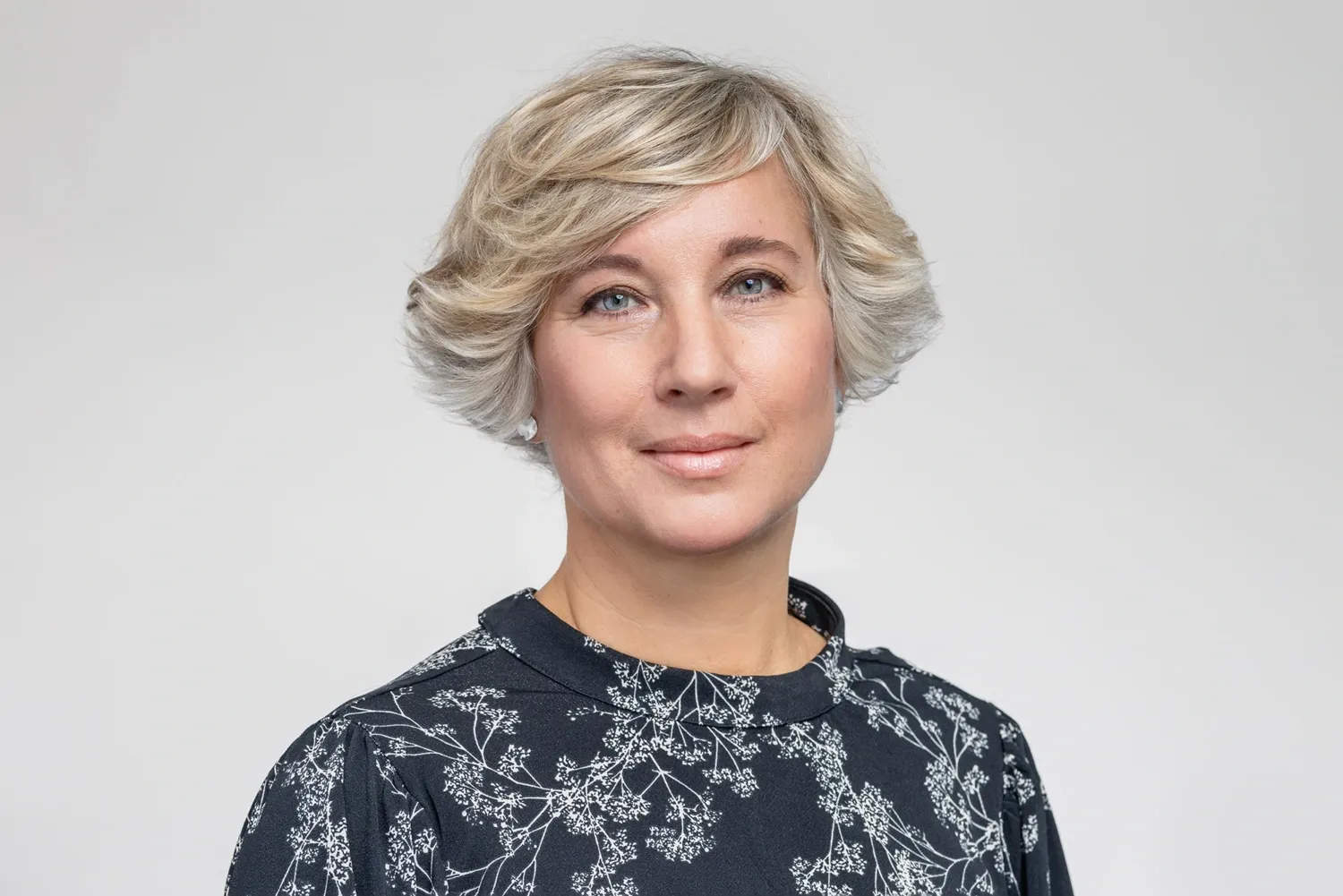
Experiences from her work as a psychologist in child and adolescent psychiatry sparked a growing research interest in how support for young children and their parents can be improved. When the opportunity to pursue doctoral studies arose, Anna Edenius decided to take the step into research and will soon defend her thesis.
PhD student: Anna Edenius
Thesis title: Universal parenting support during a child’s first years
Department: Department of Global Public Health
Research group: Epidemiology of Psychiatric Conditions, Substance use and Social Environment (EPiCSS)
Main supervisor: Malin Bergström
Hello Anna!
Please tell us a bit about your background and what led you to pursue doctoral studies at KI?
"I previously worked as a clinical psychologist, mainly within child and adolescent psychiatry (BUP) in region Stockholm, but also in maternal and child health services, with a focus on children aged 0–5 years. I have always had an interest in research, and over time I felt a growing wish to work more broadly and to develop and evaluate methods for very young children and their parents, as there is a substantial need for this in clinical care. I began exploring new opportunities, and through my position at the Centre for Epidemiology and Community Medicine (CES region Stockholm), it became possible for me to start doctoral studies and pursue a PhD."
In short, what is your doctoral thesis about?
"My thesis examines how a universal, structured group‑based program for parents of 1–2‑year‑olds, Little ACF (Lilla ABC), can strengthen parenting and support young children’s mental health when delivered through the Child Health Services. We evaluated the program in a randomized controlled trial with 832 parents from four regions in Sweden."
What have been the most surprising or significant findings?
"My doctoral work shows both the potential and the challenges of offering parenting support to all families during the early years. We found that the program strengthened parents’ ability to support their children when they experience strong negative emotions, a skill that is closely linked to healthy development.
The research also shows that a structured universal program can be integrated into everyday Child Health Services when different sectors work together, including Child Health Services, municipalities, and civil society organizations. At the same time, today’s assessment tools are not very sensitive to early strengths or small positive changes in a general population, which makes it harder to capture the kinds of improvements universal programs aim for.
Overall, the findings point to clear benefits for both parents and professionals, but also to the need for better ways to measure early change, improved accessibility for families with diverse backgrounds, and strong organizational support to ensure sustainable implementation."
What has been the most rewarding part of being a PhD student at KI?
The most rewarding part has been learning something new every day and being pushed to think in ways I hadn’t done before. It often feels like stepping into a room and coming out with a slightly shifted perspective, seeing the world a bit differently than I did before. It has been deeply rewarding, but at times also demanding.
Have you had any collaborations that have been particularly important for your development as a researcher?
Because my project was built on cross‑sector collaboration, I’ve had the chance to work closely with many different actors, which has been central to my development as a researcher. I coordinated work between Child Health Services, municipalities and civil society, and I was part of two research groups, which was highly valuable.
I also took part in the research school in epidemiology and clinical research methods offered by Karolinska Institutet and Region Stockholm, which broadened my perspectives and strengthened my methodological skills. Regularly meeting other PhD students has also been important and enjoyable, sharing both research questions and the everyday experience of doctoral life.
What advice would you give to new PhD students who are just starting their research journey?
There is so much I could say… but try to build several different contexts around yourself so the journey doesn’t become too lonely or isolating. Talk openly about challenges, seek support when needed, and be proud of taking on something demanding and contributing new knowledge through your work.
Finding mentors you trust and protecting time for focused thinking has also been important for me. My supervisors always encouraged me to celebrate even the small milestones, and I’ve found that both important and genuinely enjoyable!